 Miya Bholat
Jan 19, 2026
Vehicle Inspection Checklist for Fleets: 20 Things Drivers Should Check Every Day
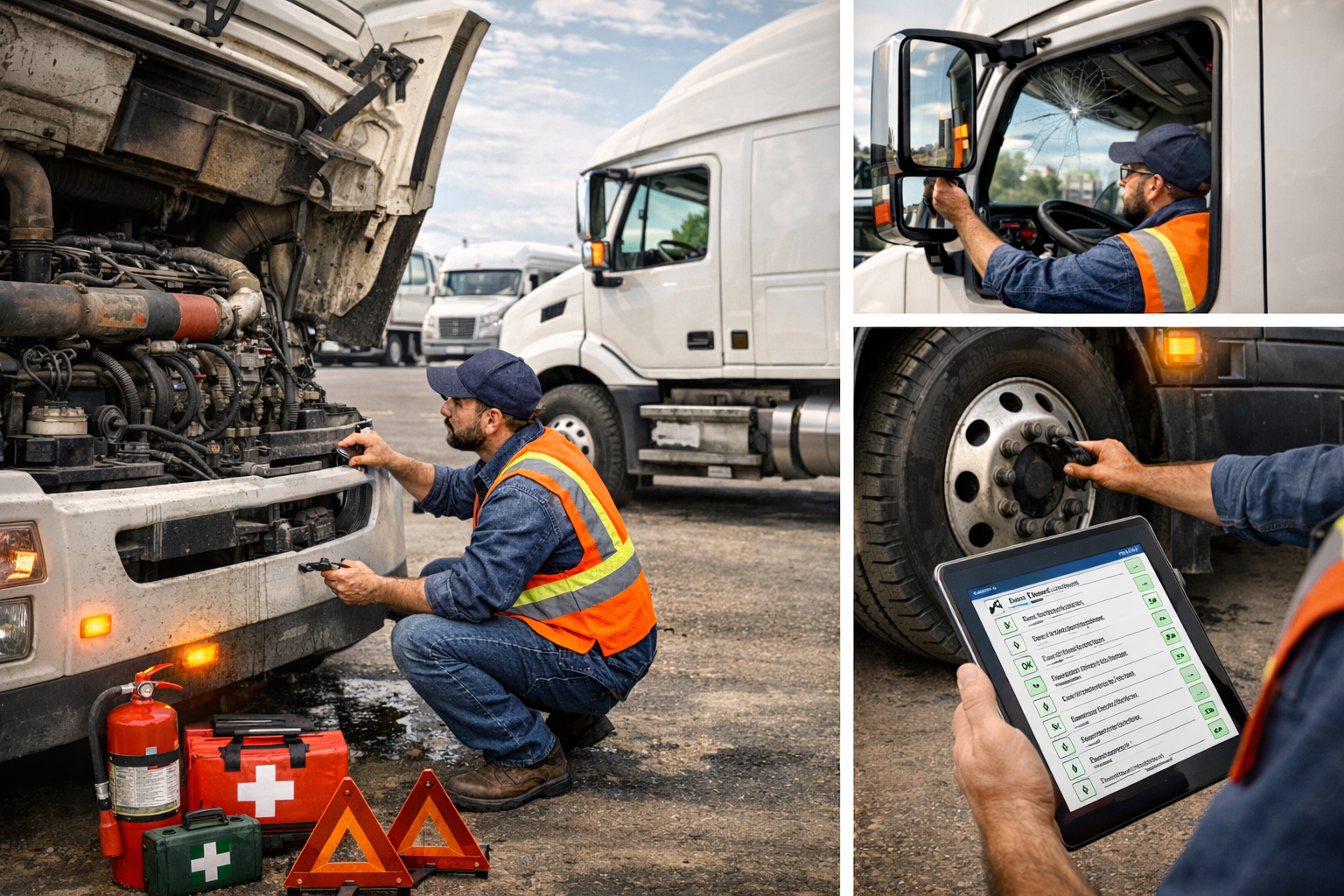
Fleet vehicle inspections aren’t just a regulatory requirement—they’re one of the most effective ways to prevent breakdowns, reduce accidents, and control maintenance costs. This guide walks fleet managers and drivers through 20 critical vehicle inspection checks, explains how to document them correctly, and shows how digital tools can simplify the entire process.
Key Takeaways: Building a Culture of Safety Through Inspections
-
Consistent inspections prevent accidents and breakdowns.
Many common roadside violations and failures are avoidable with daily checks. -
Pre-trip and post-trip inspections serve different roles.
Together, they protect safety and improve maintenance planning. -
A structured checklist reduces missed items.
Breaking inspections into categories improves consistency and accuracy. -
Documentation matters as much as the inspection itself.
Clear, complete records support compliance and protect your fleet. -
Digital tools elevate inspections from paperwork to insight.
When inspection data is easy to capture and analyze, fleets make better maintenance decisions.
Why Consistent Vehicle Inspections Matter for Fleet Safety and Compliance
Regular vehicle inspections are one of the strongest predictors of fleet safety and reliability. According to FMCSA data, vehicle-related factors contribute to roughly 10–12% of large truck crashes, with brakes, tires, and lighting among the most common violations found during roadside inspections. Many of these issues are preventable with consistent pre-trip and post-trip checks.
From a cost perspective, inspections also protect your bottom line. Catching a low coolant level or uneven tire wear early can prevent engine damage or blowouts that lead to roadside repairs, missed jobs, and costly downtime. For fleets operating under DOT rules, inspections are also essential for DVIR compliance, audit readiness, and liability protection after an incident.
In short, inspections aren’t paperwork—they’re a frontline risk-management tool.
Pre-Trip vs. Post-Trip Inspections: What’s the Difference?
Pre-trip and post-trip inspections serve different but complementary purposes in fleet operations.
A pre-trip inspection is performed before the vehicle is put into service. Its goal is to confirm the vehicle is safe to operate that day. Drivers focus on items that could cause immediate safety risks, such as brakes, tires, lights, and steering components.
A post-trip inspection happens at the end of the shift. Drivers document any defects or concerns discovered during operation, even if they didn’t make the vehicle unsafe to drive. This gives maintenance teams advance notice and helps schedule repairs before the next dispatch.
Together, these inspections create a continuous feedback loop between drivers and maintenance—one that works best when findings are clearly documented and reviewed daily.
20 Critical Items to Check During Every Vehicle Inspection
A complete vehicle inspection should be systematic and repeatable. Breaking the process into categories helps drivers stay consistent and avoid missed items.
Exterior Checks (Items 1–6)
These checks focus on visible issues that can affect safety, compliance, and roadside inspection outcomes.
-
Tires and wheel fasteners
Check tread depth, sidewall damage, inflation, and signs of uneven wear. Look for missing, loose, or cracked lug nuts, which are a frequent DOT violation and a major safety risk.
-
Lights and reflectors
Verify that headlights, brake lights, turn signals, clearance lights, and reflectors all work properly. Non-functioning lights are one of the most common reasons vehicles are pulled out of service.
-
Mirrors and windshield
Ensure mirrors are secure and properly adjusted. Inspect the windshield for cracks, chips, or obstructions that could impair visibility or violate regulations.
-
Body and frame condition
Look for visible damage, loose panels, rust, or cracks in the frame. Structural issues can worsen quickly if ignored, especially on work trucks and trailers.
-
Fluid leaks
Check under the vehicle for oil, coolant, fuel, or transmission fluid leaks. Even small leaks can indicate failing seals or hoses.
-
Fuel system
Inspect fuel caps, tanks, and lines for leaks or damage. Fuel leaks are a fire hazard and an immediate out-of-service condition.
Under-the-Hood Checks (Items 7–11)
These checks help prevent mechanical failures that lead to breakdowns and expensive repairs.
-
Engine oil level
Verify oil is within the safe range and inspect for discoloration or contamination. Low oil levels can quickly lead to engine damage.
-
Coolant level
Ensure coolant is at the proper level and look for residue around hoses or the radiator that could indicate leaks.
-
Brake fluid
Check fluid levels and inspect for leaks. Low brake fluid may signal worn components or hydraulic issues.
-
Power steering fluid
Confirm proper fluid levels and listen for unusual noises when turning the wheel, which can indicate system problems.
-
Belts and hoses
Inspect belts for cracks, fraying, or glazing. Check hoses for bulges, leaks, or soft spots that suggest imminent failure.
Interior and Cab Checks (Items 12–16)
Cab inspections ensure the driver can safely operate the vehicle and respond to hazards.
-
Gauges and warning lights
Start the vehicle and confirm that gauges function properly and no warning lights remain illuminated.
-
Steering mechanism
Check for excessive play or stiffness in the steering wheel. Steering issues often worsen quickly and affect vehicle control.
-
Brakes and parking brake
Test service brakes for responsiveness and ensure the parking brake holds the vehicle securely.
-
Horn and windshield wipers
Confirm the horn is audible and wipers operate smoothly with adequate washer fluid.
-
Seatbelts and driver seat
Inspect seatbelts for damage and proper retraction. Ensure the driver seat is secure and adjustable.
Safety Equipment and Documentation (Items 17–20)
These items are often overlooked but critical during emergencies and roadside inspections.
-
Fire extinguisher
Verify that it’s charged, accessible, and properly mounted.
-
Emergency triangles or flares
Ensure required warning devices are present and in good condition.
-
First aid kit
Check that the kit is stocked and accessible, especially for long-haul or remote operations.
-
Required permits and registration
Confirm registration, insurance, permits, and inspection documents are current and stored where required.
How to Document Your Vehicle Inspections Properly
Proper documentation is just as important as performing the inspection itself. For DOT-regulated fleets, DVIR records must clearly identify defects and certify whether the vehicle is safe to operate. Even non-DOT fleets benefit from consistent inspection logs when managing risk and maintenance planning.
Paper inspection forms are still common, but they’re easy to lose, hard to audit, and difficult to analyze. Digital logs improve accuracy, create time-stamped records, and make it easier to track patterns across vehicles and drivers. Many fleets also use standardized checklists, such as a Daily DVIR Vehicle Inspection Checklist PDF, to ensure consistency across the organization.
Retention requirements vary, but inspection records should be stored long enough to support audits, accident investigations, and maintenance history reviews.
Common Vehicle Inspection Mistakes to Avoid
Even well-intentioned fleets run into problems when inspections become routine instead of deliberate. The most common issues include:
- Rushing through inspections without following a checklist, leading to missed defects
- Incomplete documentation, such as unchecked boxes or vague notes
- Ignoring minor issues like small leaks or uneven tire wear that later become major failures
- Lack of driver training on what to look for and why it matters
- No follow-up process to ensure reported issues are actually repaired
Avoiding these mistakes requires clear expectations, regular training, and a system that makes it easy for drivers to do inspections correctly.
Streamlining Fleet Inspections with Digital Tools
Digital inspection tools help fleets move from compliance-driven inspections to insight-driven maintenance. A digital vehicle inspection app standardizes checklists, guides drivers step by step, and automatically timestamps and stores inspection records.
With tools like AUTOsist’s Digital Vehicle Inspection App, fleets can:
- Ensure every inspection follows the same checklist
- Create automatic audit trails for DVIR compliance
- Flag recurring defects across vehicles
- Connect inspection findings directly to maintenance records and work orders
When inspection data feeds into a centralized system—alongside service history, preventive maintenance schedules, and reports—it becomes a powerful tool for reducing downtime and improving safety across the fleet. Features like Fleet Preventive Maintenance Schedules and Reminders and Fleet Reports and Dashboard help turn inspection results into actionable maintenance decisions.
Done right, vehicle inspections become more than a requirement—they become a foundation for safer, more reliable fleet operations.