 Miya Bholat
Jun 04, 2026
What Are Fleet Managers Missing Even With GPS Tracking?

What are fleet managers missing even with GPS tracking? In most cases, they are missing the information that explains why vehicles break down, why costs continue to rise, and why compliance issues appear unexpectedly. A strong fleet tracking and telematics platform provides valuable location and utilization data, but it does not provide a complete picture of fleet health. Fleet managers need maintenance records, inspection history, compliance tracking, and cost visibility to make better decisions.
This challenge affects nearly every fleet, from local service companies to organizations managing large public works fleet operations. Knowing where a vehicle is matters. Knowing whether that vehicle is safe, reliable, and profitable matters even more.
Key Takeaways
-
GPS tracking provides visibility into vehicle movement, not vehicle condition.
A vehicle can complete every route on schedule while still approaching a major mechanical failure. -
Maintenance blind spots often cost more than routing inefficiencies.
Preventive maintenance typically costs far less than emergency repairs and unexpected downtime. -
Driver behavior affects more than safety.
Driving habits influence maintenance costs, vehicle lifespan, and overall fleet performance. -
GPS tracking cannot manage compliance requirements.
Inspections, registrations, and maintenance documentation require separate processes and records. -
Fleet data becomes less useful when it lives in different systems.
Disconnected spreadsheets, invoices, and inspection records create decision making blind spots. -
The best fleets combine GPS tracking with maintenance management.
Location data becomes significantly more valuable when paired with maintenance, inspection, and cost information.
GPS Tracks Location But Not Vehicle Health
GPS tracking has transformed fleet visibility. Managers can see vehicle locations, monitor routes, and identify utilization trends in real time. Resources like GPS tracking for fleet management demonstrate how location visibility improves daily operations.
However, location data only tells part of the story.
A vehicle can appear perfectly healthy on a GPS dashboard while developing mechanical issues that create significant downtime and repair costs. GPS helps answer where a vehicle is. It does not answer whether that vehicle is operating safely or efficiently.
The Gap Between Real Time Location and Real Time Condition
Imagine a delivery van completes 27 stops during a normal workday. The route runs smoothly. No delays occur. Drivers finish on time. The GPS dashboard looks perfect.
The next morning, the van will not start.

An inspection later reveals that the vehicle had been operating with an overdue battery replacement and a charging system issue that had gone unnoticed for weeks. The GPS system never identified the risk because it was never designed to monitor maintenance conditions.
This gap creates a common misconception in fleet management. Visibility into movement is often mistaken for visibility into health.
The difference looks like this:
| GPS Shows | What It Does Not Show |
|---|---|
| Vehicle location | Brake wear |
| Route completion | Engine condition |
| Mileage driven | Service history |
| Travel time | Inspection status |
| Idle time | Upcoming maintenance needs |
A fleet manager reviewing only GPS data sees operational activity. A fleet manager reviewing maintenance records sees potential risks before they become expensive failures.
Why Real Time Isn't Enough If It's Only Tracking Miles
Many fleets use mileage based reminders to schedule maintenance. Mileage remains important, but it is only one factor that determines service needs.
Vehicles often require maintenance based on:
| Maintenance Trigger | Example |
|---|---|
| Time | Oil change every six months |
| Mileage | Tire rotation every 5,000 miles |
| Engine Hours | Equipment operating at job sites |
| Manufacturer Schedule | Factory recommended services |
| Seasonal Conditions | Winter preparation and inspections |
A truck that spends hours idling on a construction site may accumulate engine wear without adding significant mileage. A service vehicle used infrequently may still require maintenance based on time rather than distance traveled.
This is why fleets often combine GPS tracking with fleet preventive maintenance scheduling software. Some organizations also use OEM maintenance schedule management to align maintenance timing with manufacturer recommendations rather than relying only on mileage.
The Hidden Costs GPS Data Doesn't Surface
GPS platforms help managers understand route efficiency and vehicle utilization. They can identify excessive idling and highlight inefficient routes.
What they often cannot show is the financial impact of maintenance decisions.
The most expensive fleet problems rarely appear as GPS alerts.
Unplanned Repairs vs Scheduled Maintenance: The Cost Difference
According to multiple fleet industry studies, reactive repairs can cost three to nine times more than planned preventive maintenance.
Consider a simple example:
| Event | Approximate Cost |
|---|---|
| Scheduled brake service | $400 |
| Emergency brake failure repair | $2,000+ |
| Vehicle downtime | Additional indirect costs |
| Missed customer work | Additional revenue loss |
The repair bill itself is only part of the problem.
Emergency repairs often create scheduling disruptions, missed appointments, frustrated customers, and administrative headaches. Fleet managers frequently discover that downtime costs more than the repair itself.
Organizations that maintain accurate vehicle service history records can identify recurring repair patterns before they become larger financial problems.
Downtime Costs That Don't Show Up in Your GPS Report
GPS can tell you a vehicle is sitting still.
It cannot explain the business impact of that downtime.
A single out of service vehicle can trigger a chain reaction across the operation. Drivers may need reassignment. Customers may experience delays. Managers may need to arrange rental vehicles or authorize overtime to maintain service levels.
This issue becomes especially costly in construction fleet operations where equipment availability directly affects project timelines.
The true cost of downtime often includes:
| Direct Cost | Indirect Cost |
|---|---|
| Repair expense | Missed revenue |
| Rental equipment | Customer delays |
| Overtime labor | Lower productivity |
| Towing services | Scheduling disruptions |
GPS identifies inactivity. Fleet managers still need maintenance and cost data to understand why that inactivity occurred and how much it actually cost.
Driver Behavior Beyond Hard Braking Alerts
Most GPS systems identify speeding, rapid acceleration, and harsh braking. These alerts help improve safety and reduce risk.
However, many costly driving habits occur without generating obvious alerts.
What GPS Misses About Driver Habits and Vehicle Wear
Not every maintenance problem starts with a major driving event.
Small habits repeated every day often create larger maintenance issues over time.
For example, a driver who frequently makes short trips may never allow the engine to reach optimal operating temperature. Another driver may leave the vehicle idling excessively during every shift. A third may consistently overload equipment beyond recommended operating limits.
None of these behaviors may trigger serious GPS warnings. Yet all of them increase long term maintenance costs.
Fleet managers who review utilization trends alongside trip mileage tracking data often uncover patterns that explain recurring repairs and excessive operating costs.
Connecting Driver Behavior to Maintenance Outcomes
Driver data becomes more valuable when connected to maintenance records.
Consider two drivers operating identical vehicles under similar conditions. One vehicle requires brake replacement every 20,000 miles. The other reaches 35,000 miles before needing service.
Without connecting driver activity to maintenance history, the difference may remain unexplained.
A simple workflow often looks like this:
Driving Behavior → Vehicle Wear → Maintenance Event → Fleet Cost
When maintenance records and driver activity exist in separate systems, identifying these relationships becomes difficult.
Using driver and user management tools alongside maintenance tracking creates greater accountability and helps managers identify trends before they become costly.
Compliance and Inspection Gaps GPS Can't Fill
GPS tracking supports route visibility and can contribute to hours of service reporting. Compliance, however, extends far beyond location data.
Many fleets remain vulnerable because inspection and compliance processes operate independently from GPS systems.
Pre Trip and Post Trip Inspections: The Paper Trail Problem
A vehicle may follow every assigned route perfectly while still operating with unresolved safety issues.
This often happens when inspections are skipped, completed inconsistently, or stored in disconnected systems.
When inspection records are difficult to access, fleets face several risks. Safety defects may go unresolved. Audit preparation becomes difficult. Liability exposure increases after incidents.
Many organizations address this challenge through digital vehicle inspection software that creates a documented inspection history attached directly to each vehicle.
Regulatory Deadlines GPS Doesn't Track
GPS platforms generally do not manage compliance requirements such as registration renewals, emissions testing, state inspections, or document expiration dates.
Fleet managers often discover missed deadlines only after receiving penalties or failing inspections.
Maintaining compliance requires a system that tracks deadlines alongside vehicle records. Location visibility alone cannot solve this challenge.
The Maintenance Data That Lives Nowhere Or Everywhere
Many fleets already collect the information they need. The problem is that the information lives in different places.
GPS data sits in one platform. Service invoices live in email. Inspection records remain in spreadsheets. Shop notes stay with technicians.
As a result, managers make decisions using incomplete information.
Why Siloed Systems Create Maintenance Blind Spots
Disconnected systems make it difficult to answer important questions.
- Which vehicle costs the most to maintain?
- Which repairs occur repeatedly?
- Which assets should be replaced?
- Which maintenance expenses continue increasing each quarter?
Many fleets exploring fleet telematics and maintenance integration discover that the real challenge is not collecting data. The challenge is connecting it.
What a Centralized Fleet Maintenance Log Actually Changes
A centralized system creates a single source of truth for fleet operations.
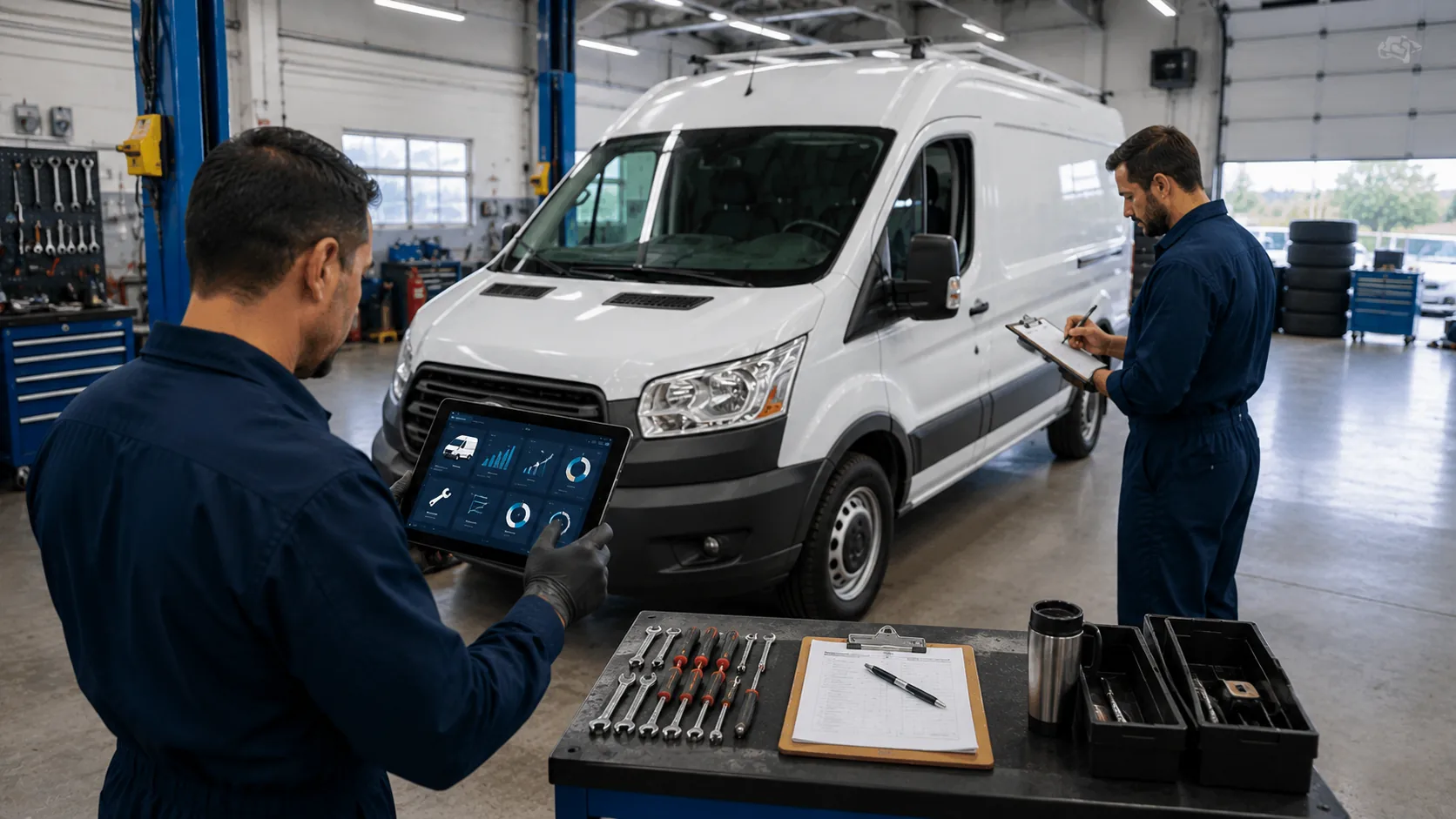
Instead of switching between spreadsheets, emails, invoices, and GPS dashboards, managers gain visibility into maintenance, inspections, compliance, and costs from one location.
| Without Centralized Data | With Centralized Data |
|---|---|
| Reactive repairs | Planned maintenance |
| Spreadsheet tracking | Unified records |
| Missed deadlines | Automated reminders |
| Guesswork on costs | Cost visibility |
| Separate systems | Single source of truth |
The result is better planning, better budgeting, and fewer surprises.
What Fleet Managers Should Be Tracking Alongside GPS
GPS remains one of the most valuable tools available to fleet managers. The goal is not replacing GPS. The goal is adding the information GPS cannot provide.
Fleet managers should monitor:
- Preventive maintenance schedules
- Inspection and DVIR records
- Cost per vehicle and cost per mile
- Driver activity linked to service history
- Compliance deadlines
- Parts inventory and warranty information
When these data points work together, decision making improves significantly.
Fleet Visibility Workflow
| Fleet Data Source | What It Answers |
|---|---|
| GPS Tracking | Where is the vehicle? |
| Maintenance Records | Is the vehicle healthy? |
| Inspection Records | Is the vehicle safe? |
| Cost Data | Is the vehicle profitable? |
| Compliance Records | Is the vehicle compliant? |
| Parts Tracking | Can repairs happen quickly? |
How Fleet Maintenance Software Fills the Gaps GPS Leaves
GPS and maintenance software solve different problems. The strongest fleets use both together.
Preventive Maintenance Scheduling That GPS Can't Automate
Maintenance software tracks service intervals using time, mileage, and operating conditions.
Instead of waiting for failures, managers receive reminders before maintenance becomes urgent. Tools such as fleet maintenance work order software help teams organize repairs and track completion status across the fleet.
Inspection Workflows That Create an Audit Ready Paper Trail
Inspection records become more valuable when they are standardized and easily accessible.
Digital records create accountability, support audit preparation, and provide documentation during insurance investigations. This visibility helps managers address problems earlier and respond more confidently when questions arise.
Cost Tracking and Reporting Across Your Entire Fleet
Fleet managers need more than route reports.
They need answers to questions such as:
- Which vehicle costs the most to operate?
- Which assets should be replaced?
- What is the actual cost per mile?
- Where are maintenance costs increasing?
Using fleet reporting and dashboard tools alongside maintenance tracking helps managers move beyond basic location monitoring and make better financial decisions.
Turning GPS Data Into a Complete Fleet Management Strategy
GPS tracking is an important part of modern fleet operations. It helps managers understand where vehicles are, how they are being used, and whether routes are running efficiently. Articles such as how fleet telematics works highlight the value that location and utilization data bring to daily operations.
However, location visibility alone does not create a complete fleet strategy.
The fleets that consistently reduce downtime, improve compliance, and control costs combine GPS tracking with maintenance management, inspection tracking, and cost reporting. When vehicle location is connected to service history, inspections, and operating costs, fleet managers gain the context needed to make smarter decisions.
Knowing where a vehicle is will always be important. Knowing whether that vehicle is healthy, compliant, and profitable is what separates reactive fleet management from strategic fleet management.
Frequently Asked Questions
-
What information does GPS tracking not provide about fleet vehicles?
GPS tracking shows where vehicles are and how they are being used, but it does not provide maintenance history, inspection records, compliance status, repair costs, or upcoming service needs. Fleet managers need additional systems to understand vehicle health and operational risk. -
Why do fleet breakdowns still happen when vehicles are GPS tracked?
GPS tracking can show that a vehicle is operating normally, but it cannot detect overdue maintenance, worn components, skipped inspections, or unresolved repair issues. Breakdowns often result from maintenance gaps rather than location visibility problems. -
What fleet data should be tracked alongside GPS location data?
Fleet managers should track preventive maintenance schedules, inspection records, vehicle operating costs, compliance deadlines, service history, and driver activity. Combining these data sources provides a more complete view of fleet performance. -
How can fleet managers identify vehicles that are becoming too expensive to operate?
The most effective approach is to track repair costs, maintenance history, downtime events, and cost per mile for each vehicle. This helps identify assets that may need replacement before costs continue to increase. -
What is the biggest mistake fleet managers make after implementing GPS tracking?
Many fleet managers assume GPS provides complete visibility into fleet operations. In reality, GPS solves the location problem, but maintenance management, compliance tracking, inspections, and cost reporting are still required to make informed operational decisions.