 Miya Bholat
Jun 02, 2026
7 Small Maintenance Issues That Cause Downtime
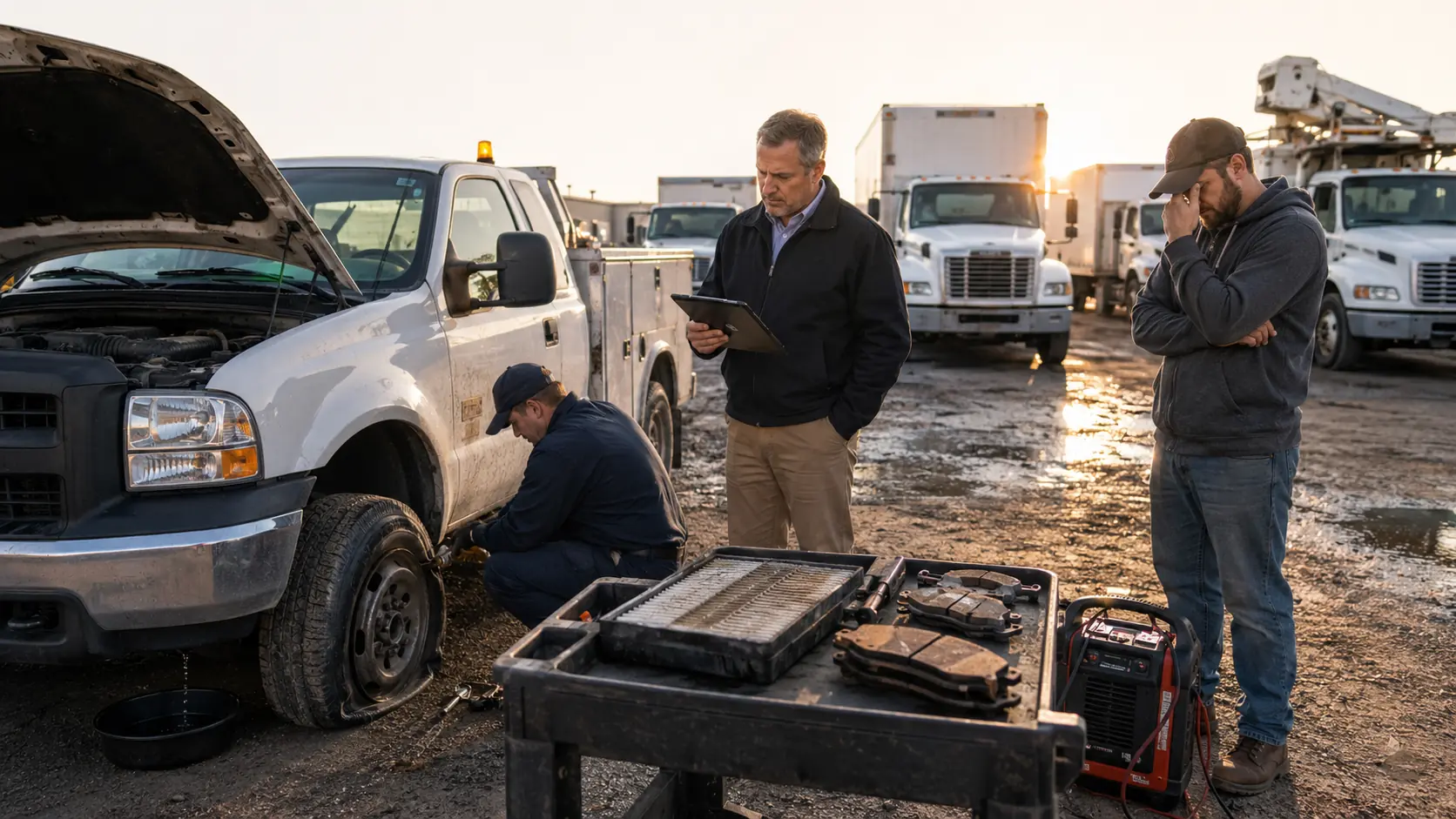
Small maintenance issues cause downtime when fleets miss small warning signs until they become repair events, safety risks, or roadside failures. A strong fleet maintenance software process helps teams track inspections, service intervals, work orders, and vehicle history before a low cost fix turns into a vehicle sitting out of service.
For fleet managers, the solution is not just fixing problems faster. It is building a repeatable process where drivers report small issues, managers act on them, and every vehicle has a clear maintenance record that shows what was checked, what was fixed, and what needs attention next.
Key Takeaways
- Low or contaminated fluids can destroy major components. Oil, coolant, brake fluid, and transmission fluid problems often look minor until they cause overheating, brake failure, or transmission damage.
- Bad wipers and low washer fluid create safety risk. A small visibility issue can turn into an accident, claim, repair delay, and lost vehicle availability.
- Tire pressure issues build slowly. Underinflation and uneven pressure reduce fuel economy, speed up tire wear, and increase blowout risk.
- Dirty air filters reduce performance over time. Because the issue develops gradually, fleets often miss it until fuel use rises or engine performance drops.
- Belts and hoses usually fail without warning. A cracked hose or worn belt can disable a vehicle instantly and create secondary damage.
- Brake pad wear gets expensive when fleets wait too long. Delayed pad replacement can damage rotors and multiply repair costs across the fleet.
- Weak batteries and corroded terminals cause avoidable failed starts. Scheduled battery testing and terminal checks prevent surprise failures in the field.
Why Small Problems Ground Vehicles And Why It Keeps Happening
Fleet managers usually know that major repairs cause downtime. The harder problem is that most major failures start as small, boring maintenance items. A slightly low coolant level, a worn belt, a weak battery, or one ignored brake complaint may not stop a vehicle today. But each missed issue adds pressure to the next system until the vehicle finally fails during a route, job, delivery, or service call.
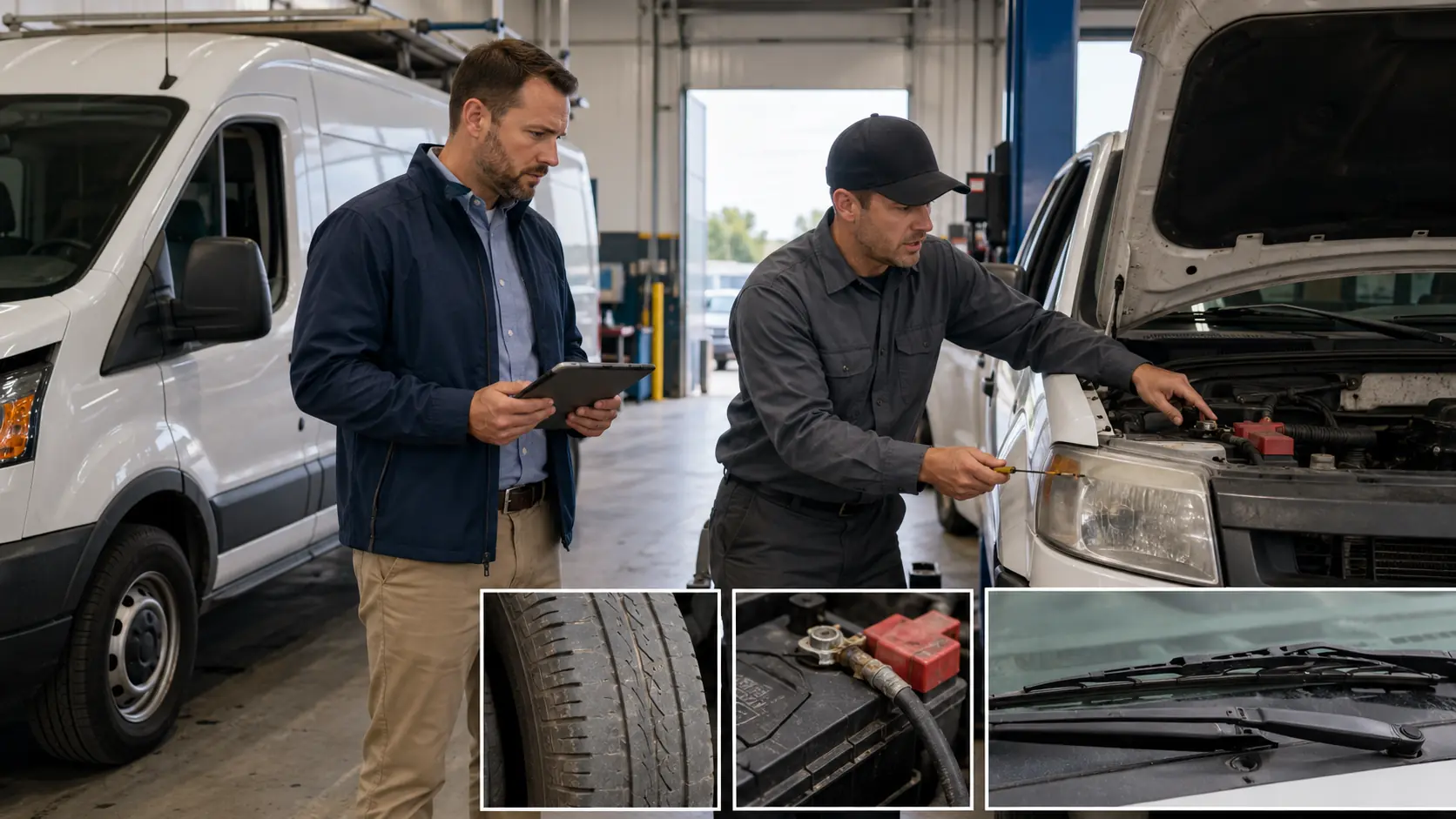
The cost adds up fast. Recent fleet downtime estimates often place downtime around $448 to $760 per vehicle per day, before hidden costs like rescheduling crews, overtime, towing, missed appointments, customer frustration, or replacement rentals. If a vehicle stays down for three days, the lost productivity can easily cross $1,500 before the actual repair bill lands.
Small issues keep happening because accountability gets scattered. Drivers think maintenance will catch it. Maintenance teams assume drivers will report it. Managers rely on spreadsheets, calendar reminders, or memory. For fleets in high demand environments like public works fleet management, that gap can affect service response, route coverage, and public work schedules.
The 7 Small Maintenance Issues That Lead to Costly Downtime
Small issues do not all create the same risk, but they share one pattern. They are easy to catch early and expensive to ignore.
| Small issue | Why fleets miss it | Downtime risk | Early catch method |
|---|---|---|---|
| Low fluids | No visible symptom at first | Overheating or component failure | Weekly fluid checks |
| Bad wipers | Treated as minor | Accident or failed inspection | Driver visibility check |
| Tire pressure | Seen as driver responsibility | Blowout or uneven wear | Scheduled pressure checks |
| Dirty filters | Gradual performance loss | Poor fuel economy or misfires | Monthly inspection |
| Worn belts and hoses | Hidden under the hood | Sudden breakdown | Visual inspection |
| Brake pad wear | Replacement gets delayed | Rotor damage or unsafe braking | Mileage based inspection |
| Weak battery | Vehicle still starts for now | Failed start in the field | Battery test schedule |
1. Low or Contaminated Fluid Levels
Engine oil, coolant, brake fluid, and transmission fluid all protect expensive components. When levels run low or fluid gets contaminated, the vehicle may still drive normally for a short time. That is why fleets often miss it between service intervals.
The damage builds underneath the surface. Low coolant can lead to overheating. Dirty oil accelerates engine wear. Low brake fluid can create serious stopping issues. Transmission fluid problems can turn into one of the most expensive repairs in the vehicle lifecycle. This is one reason fleets build preventive maintenance schedules around both time and mileage instead of waiting for a warning light.
2. Worn Wiper Blades and Low Washer Fluid
Wiper blades and washer fluid sound too small to matter until a driver hits heavy rain, mud, snow, or road spray with poor visibility. At that point, the problem becomes a safety issue.
A basic wiper replacement may cost around $20 to $40, while even a minor accident can create thousands in repairs, claims, downtime, and administrative work. Fleets should treat visibility as part of driver safety, not a cosmetic issue.
Common signs drivers should report include:
- Streaking across the windshield.
- Chattering or skipping blades.
- Cracked rubber edges.
- Empty washer reservoir.
- Washer spray that does not reach the glass.
3. Underinflated or Uneven Tire Pressure
Tires naturally lose pressure over time. Even one to two PSI per month can matter if no one checks consistently. Underinflated tires create more rolling resistance, reduce fuel economy, increase heat, and wear unevenly.
This issue gets ignored because many teams treat tire pressure as a driver responsibility. That sounds fine until no one confirms whether checks actually happened. A highway blowout can sideline a vehicle for the day, trigger a roadside service call, and create safety risk for the driver and surrounding traffic. Fleets that already struggle with downtime should review their process for reducing fleet downtime before tire failures become a repeat pattern.
4. Dirty or Clogged Air Filters
Air filters do not usually create an obvious emergency at first. The vehicle may run, but the engine works harder to pull in clean air. Over time, that can reduce fuel efficiency, weaken acceleration, and increase strain on engine systems.
The fix is simple, but the tracking often fails. Replacement intervals are known, yet teams miss them when no system connects mileage, service records, and upcoming maintenance. A filter check belongs in monthly inspections and in mileage based service routines.
5. Loose or Worn Belts and Hoses
Serpentine belts, timing belts, radiator hoses, and vacuum hoses wear down slowly. Heat, age, vibration, and exposure all weaken them. The problem is that they often fail all at once.
A snapped serpentine belt can disable charging, cooling, and steering support. A failed radiator hose can dump coolant and overheat the engine. A timing belt failure can damage internal engine components. Visual inspections during routine service can catch cracking, glazing, swelling, leaks, and loose tension before the vehicle stops moving.
6. Brake Pad Wear Without Replacement
Everyone knows brake pads wear down. The real problem is when replacement actually happens. If the fleet waits until drivers complain about grinding, the pads may already be worn to metal.
That delay changes the repair math. A pad replacement might cost a few hundred dollars, while rotor replacement, caliper damage, and extended labor can multiply the bill. In a fleet, one missed brake interval can become a pattern across multiple vehicles. Using preventive maintenance inspections for fleet vehicles gives managers a structured way to find brake wear before it becomes unsafe or expensive.
7. Deferred Battery Testing and Terminal Cleaning
Batteries rarely fail without warning. They weaken first. A battery may still start the vehicle for weeks while showing voltage issues, then fail on a cold morning, at a remote job site, or while a loaded vehicle sits on a tight schedule.
Corroded terminals create a similar problem. They can cause intermittent failed starts, charging issues, or unreliable electrical connections. Terminal cleaning takes minutes when caught early, but a failed start in the field can cost hours. Fleet teams should schedule battery testing before seasonal temperature swings and document each result in the vehicle record.
How Deferred Maintenance Compounds The Real Math Behind Downtime
Small maintenance problems become expensive because they stack. A weak battery delays dispatch. A delayed brake inspection damages rotors. A loose hose causes overheating. A missed tire pressure check turns into a blowout. None of these failures starts as a major repair, but each one can remove a vehicle from service.
Here is a simple fleet downtime example:
| Fleet size | Preventable events per year | Cost per downtime day | Annual downtime impact |
|---|---|---|---|
| 20 vehicles | 1 per vehicle | $800 | $16,000 |
That $16,000 does not include customer delays, crew idle time, rental replacements, or emergency parts. The prevention cost is usually far lower because many items only need inspection time, basic parts, or scheduled labor. Industry maintenance benchmarks often show reactive repairs costing around three to five times more than planned maintenance because emergency work adds downtime, rushed labor, secondary damage, and parts delays.
This is why a fleet should track small issues as financial risk, not just maintenance notes. A good reactive maintenance reduction process helps teams move more repairs into planned service windows instead of emergency response.
What a Preventive Maintenance Schedule Actually Looks Like for These Issues
A practical maintenance schedule does not need to overwhelm drivers or managers. It needs to assign the right checks to the right people at the right frequency.
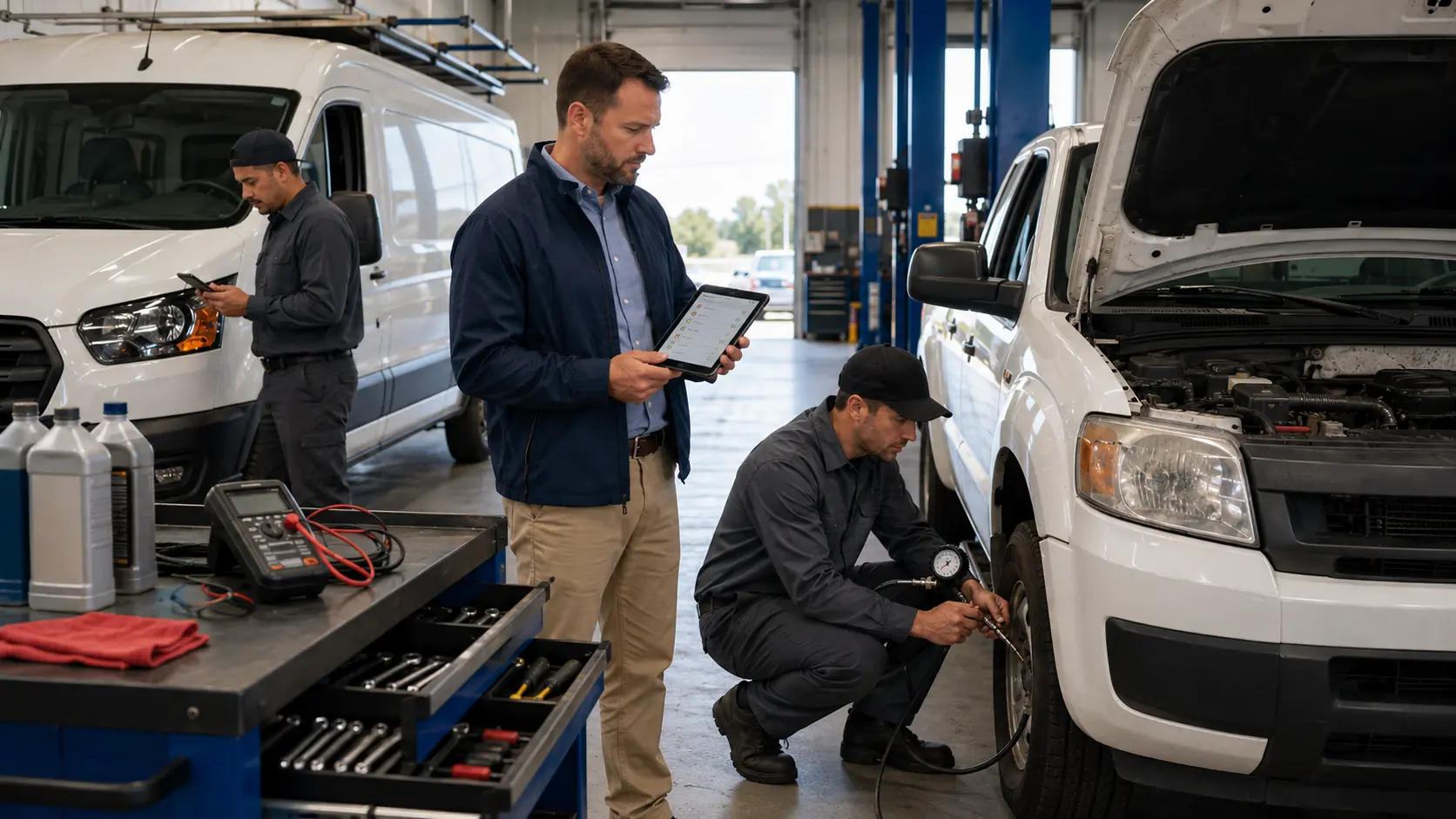
Weekly Driver Checks Takes Under 5 Minutes
Drivers sit closest to the vehicle every day, so they should catch simple signs first. Driver accountability works only when the reporting process is structured and easy to complete.
A weekly driver check should include:
- Oil, coolant, washer fluid, and visible leaks.
- Tire pressure and obvious tire damage.
- Wiper blade condition and windshield visibility.
- Brake feel, warning lights, and unusual noises.
- Battery warning signs, slow crank, or electrical issues.
Digital forms work better than paper because the report does not get lost in the cab, office, or glove box. A digital vehicle inspection app can collect driver findings and keep them tied to the correct vehicle.
Monthly Fleet Inspections
Monthly inspections should go deeper than driver checks. A manager, technician, or assigned maintenance lead should review battery terminals, belt condition, hose wear, air filters, leaks, tire wear patterns, and service notes.
The workflow should be simple:
- Inspect the vehicle against a standard checklist.
- Flag any failed or watch list item.
- Create a repair task or work order.
- Attach notes, photos, and service records.
- Confirm completion before closing the issue.
This structure turns inspection findings into action instead of another line in a spreadsheet.
Mileage or Time Based Service Triggers
Some items should not wait for driver complaints. Brake pad inspections, filter replacements, fluid changes, tire rotations, and OEM recommended services should run on mileage, hours, or time based thresholds.
For example, a fleet may inspect brakes every 5,000 miles, replace filters based on service interval, and check fluid condition every three months. The exact interval depends on vehicle type, duty cycle, road conditions, and manufacturer guidance. Fleets can use OEM factory maintenance schedules to align routine service with manufacturer recommendations.
Why Tracking These Issues Manually Always Falls Short
Manual tracking fails because fleet maintenance has too many moving parts. A spreadsheet may work for a few vehicles, but it breaks down when the fleet grows, vehicles get reassigned, drivers change, or managers need proof of what happened.
The usual failure points are easy to recognize:
- Calendar reminders do not match actual mileage.
- Paper inspections stay in vehicles or get misplaced.
- Service history disappears when a vehicle changes hands.
- Managers miss patterns across repeated repairs.
- Drivers report issues verbally, but no one logs them.
- Work orders stay separate from inspection records.
This is why growing fleets often outgrow spreadsheets. The question is not whether spreadsheets can store information. The question is whether they can create accountability. If your team is asking whether Excel is good enough for fleet maintenance, the real test is whether it prevents missed service, lost history, and repeat downtime.
How Fleet Maintenance Software Catches These Issues Before They Become Downtime
Fleet maintenance software helps catch small issues by connecting reminders, inspections, work orders, and service history in one place. Instead of relying on memory, teams can set up automated triggers for mileage, dates, engine hours, or recurring inspections.
For the seven issues covered in this post, software supports the process in four practical ways:
- Automated reminders tell managers when inspections or service are due.
- Driver inspection checklists capture small issues before they become repairs.
- Failed inspection items can turn into maintenance tasks or work orders.
- Service history stays tied to each vehicle, even when staff or assignments change.
AUTOsist features fit this workflow because they focus on the daily maintenance gaps that create downtime. Teams can use fleet maintenance work order software to turn inspection flags into assigned repair tasks. They can also keep a complete vehicle service history so managers see past repairs, receipts, documents, and recurring issues without digging through files.
For mixed fleets, construction vehicles, trucks, and service vehicles, this matters even more. A construction fleet management team may have vehicles moving between job sites, different drivers, and equipment that sees heavy use. Without a central record, small issues get missed until a truck, trailer, or asset is unavailable when the crew needs it.
Building a Culture Where Small Issues Get Reported and Fixed
Software and schedules only work when people use them. Drivers need to know that reporting a small issue will not create blame or extra hassle. Managers need to prove that reported issues actually get reviewed and fixed.
The best reporting culture is simple. Drivers report the issue. Managers acknowledge it. Maintenance decides whether it needs immediate repair, scheduled service, or monitoring. Then the driver sees that the report mattered.
A strong small issue workflow looks like this:
| Step | Owner | Action | Outcome |
|---|---|---|---|
| Report | Driver | Submit inspection issue | Problem enters the system |
| Review | Manager | Confirm severity | Issue gets priority |
| Assign | Maintenance lead | Create repair task | Responsibility is clear |
| Fix | Technician or vendor | Complete repair | Vehicle stays available |
| Close | Manager | Update service record | History stays complete |
Small maintenance issues will never disappear completely. But fleets can stop letting them become surprises. When drivers know what to report, managers have a process to act, and maintenance records stay visible, small problems stay small.
Frequently Asked Questions
-
What are the most common causes of unplanned fleet downtime?
The most common causes include missed fluid checks, tire problems, brake wear, battery failure, belt or hose failure, and delayed preventive maintenance. Many of these start as small issues that the fleet could catch during routine inspections. -
How often should fleet vehicles get inspected?
Drivers should complete quick checks weekly or before shifts, depending on vehicle use. Fleet teams should run deeper monthly inspections and use mileage or time based service triggers for brakes, filters, fluids, tires, and OEM recommended maintenance. -
Is it better to fix small maintenance issues right away or wait for scheduled service?
Fix safety issues right away, including brakes, tires, visibility problems, leaks, and battery issues that could strand a driver. Lower risk items can move into scheduled service, but they still need a due date, owner, and record so they do not disappear. -
How does fleet maintenance software help prevent downtime?
Fleet maintenance software helps prevent downtime by tracking inspections, reminders, work orders, and service history for each vehicle. It keeps small issues visible so managers can act before a missed check turns into a roadside repair or out of service vehicle. -
What maintenance items can drivers check themselves?
Drivers can check fluid levels, tire condition, wiper performance, warning lights, brake feel, visible leaks, and slow starting. The key is giving them a simple inspection process and a clear way to report problems so the maintenance team can respond.