 Miya Bholat
Jun 01, 2026
How To Maintain Equipment on a construction site?
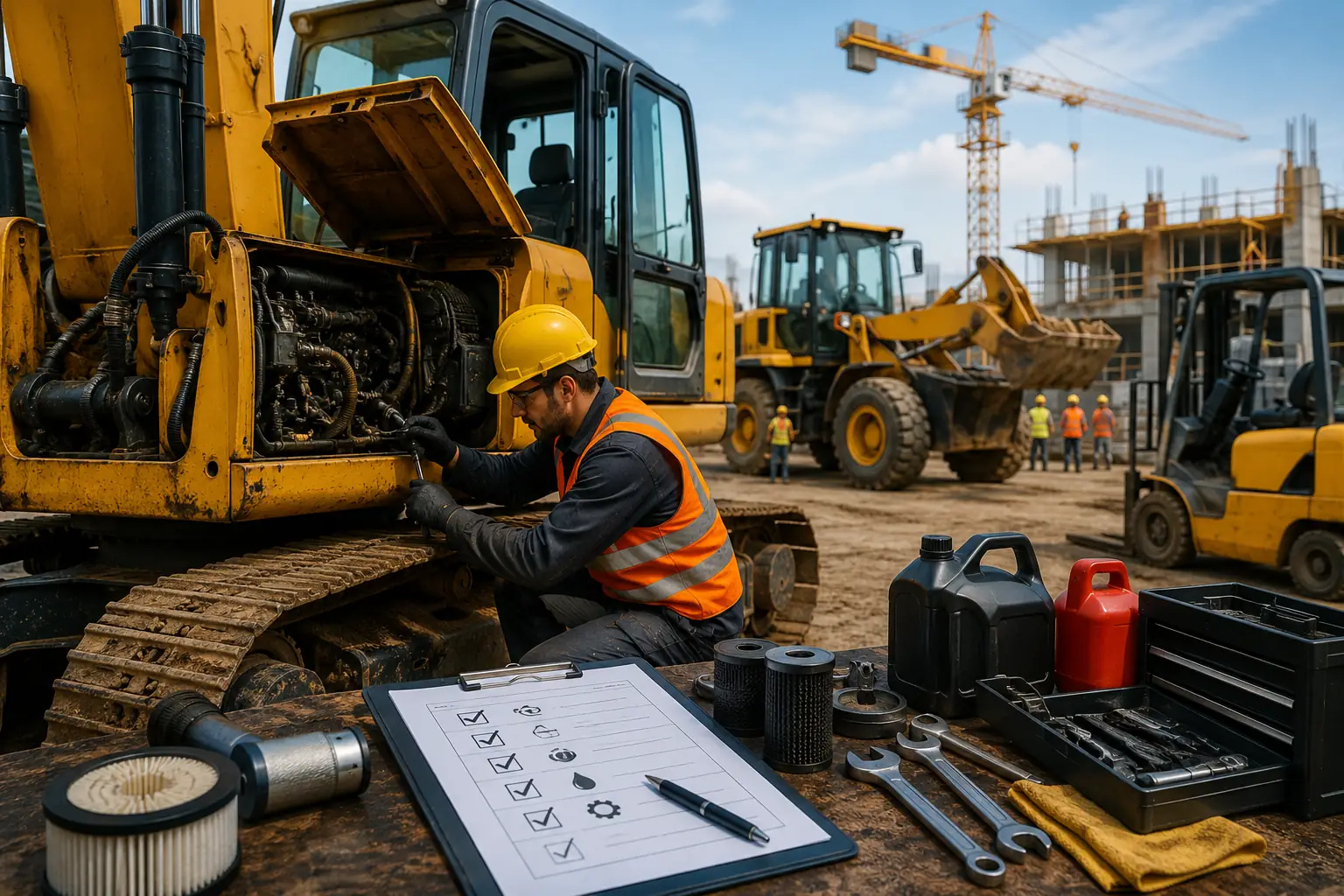
Maintaining equipment on a construction site means following consistent inspection schedules, preventive maintenance routines, and repair tracking processes that help prevent breakdowns, reduce downtime, improve job site safety, and extend equipment lifespan. Construction teams that stay proactive with maintenance usually experience fewer repair emergencies because operators, supervisors, and technicians stay aligned on what needs service and when it needs attention. Many growing contractors also rely on fleet management software because tracking equipment manually becomes harder once machines, operators, and service records start spreading across several active job sites.
Maintenance problems usually begin when inspections, work orders, and repair history are tracked inconsistently between crews. Construction companies often solve this by organizing inspections, preventive service, and maintenance accountability through dedicated equipment maintenance management software that keeps service activity visible without relying on paper logs, disconnected spreadsheets, or verbal updates between operators and supervisors.
Key Takeaways
-
Construction equipment maintenance reduces downtime and repair costs
Regular inspections and preventive servicing help construction companies avoid expensive breakdowns and project delays. -
Different machines require different maintenance priorities
Excavators, cranes, forklifts, generators, and power tools all fail differently and need unique inspection routines. -
Daily inspections prevent larger failures later
Small issues like dirty filters, fluid leaks, and worn hoses often become major repair problems when ignored. -
Paper maintenance systems break down on busy job sites
Digital maintenance tracking improves accountability across multiple operators and active construction locations. -
Maintenance compliance protects construction companies legally
Proper inspection records help support OSHA compliance, warranty protection, and incident documentation. -
Preventive maintenance scheduling improves equipment lifespan
Construction fleets that schedule service based on usage hours usually experience fewer emergency repairs.
Why Equipment Maintenance on Construction Sites Gets Neglected And What It Costs You
Construction equipment maintenance often gets pushed aside because job sites move fast. Crews focus on deadlines, equipment changes hands between operators, and supervisors spend most of their time solving immediate project problems. When maintenance systems rely on memory, paper forms, or verbal communication, inspections start slipping through the cracks.
The financial impact adds up quickly. Equipment downtime can cost construction companies hundreds or even thousands of dollars per hour depending on the machine and project schedule. Emergency repairs also cost significantly more than preventive maintenance because breakdowns usually damage surrounding components before crews notice the problem.
Many companies discover these problems only after equipment reliability starts affecting productivity. Poor tracking systems also make it harder to identify patterns across machines. Learning common fleet management mistakes that increase operating costs explain how maintenance gaps often begin with inconsistent tracking rather than the equipment itself.
The Different Types of Construction Equipment That Need Regular Maintenance
Construction fleets include machines with very different maintenance requirements. Understanding how each category fails helps teams prioritize inspections correctly.
Heavy Earth Moving Equipment
Excavators, bulldozers, skid steers, and graders experience constant stress from dirt, vibration, and heavy loads. Hydraulic systems, undercarriages, filters, and cooling systems typically wear fastest because these machines operate in harsh environments every day.
The following components usually require the most attention:
- Hydraulic hoses and fittings
- Engine air filtration systems
- Track assemblies and rollers
- Cooling systems and radiators
- Grease points and pivot joints
Construction companies using preventive maintenance scheduling tools for heavy equipment often reduce unexpected breakdowns because service intervals stay consistent even across multiple sites.
Lifting and Material Handling Equipment
Cranes, forklifts, and telehandlers create both productivity and safety risks when maintenance gets skipped. A single failure involving lifting equipment can stop an entire project while also creating serious liability exposure.
Inspection routines usually focus on:
- Load bearing components
- Hydraulic lifting systems
- Safety locks and alarms
- Tire condition and pressure
- Certification compliance
Many operators now use digital vehicle inspection tools for construction fleets to standardize daily inspections and document issues before equipment enters service.
Light Equipment and Power Tools
Generators, compressors, compactors, welders, and power tools often receive the least attention because companies manage them in high volumes. However, repeated small equipment failures still create major project delays.
These assets usually fail because:
- Maintenance records are inconsistent
- Operators assume someone else inspected the equipment
- Smaller assets move frequently between crews
- Replacement cycles are poorly tracked
Companies managing mixed asset fleets often improve visibility using systems similar to those discussed in how integrated fleet management software connects operations.
A Practical Construction Equipment Maintenance Checklist
A good construction maintenance program separates inspections into daily, weekly, monthly, and annual responsibilities. This approach prevents operators from missing important service items while keeping inspections manageable.
Daily Pre Operation Checks
Daily inspections should stay fast and consistent so operators actually complete them before equipment starts moving.
The following checks usually happen every morning:
- Fluid levels and visible leaks
- Tire pressure and tread wear
- Lights and backup alarms
- Safety guards and emergency shutoffs
- Hydraulic hose damage
- Battery condition
- Visible structural damage
Many companies pair these inspections with vehicle document management systems for maintenance records so inspection history stays centralized.
Weekly and Monthly Inspections
Weekly and monthly inspections involve deeper maintenance work that operators may not handle themselves.
These inspections commonly include:
- Filter replacements
- Belt inspections
- Lubrication schedules
- Battery terminal cleaning
- Hydraulic pressure testing
- Cooling system inspections
Construction companies with larger fleets often use fleet maintenance work order software for repair tracking to assign repairs and monitor completion status across multiple job sites.
Seasonal and Annual Overhauls
Seasonal maintenance prevents long term wear from accumulating unnoticed. Cold weather, dust exposure, and heavy operating conditions all accelerate equipment deterioration.
Annual servicing commonly includes:
- Engine tune ups
- Undercarriage inspections
- Major hydraulic servicing
- Certification renewals
- Component replacement planning
Organizations that scale beyond a handful of machines often experience the same operational challenges discussed in running fleet operations across multiple locations.
How to Build a Maintenance Schedule That Actually Gets Followed
A maintenance checklist only works if crews consistently follow it. Construction companies usually struggle because responsibilities are unclear and service schedules rely on manual reminders.
The most effective maintenance systems assign ownership directly to operators, supervisors, and technicians. Operators handle daily inspections while supervisors verify compliance and technicians manage scheduled repairs.
Maintenance schedules also work better when based on usage hours instead of calendar dates. A machine operating 12 hours daily needs servicing far sooner than equipment used occasionally.
Paper logs usually fail because construction sites move too quickly. Supervisors lose forms, operators forget updates, and maintenance history becomes fragmented across different crews. Companies transitioning away from spreadsheets often experience improvements similar to those described in why fleet management becomes too complex manually.
Tracking Maintenance Across Multiple Machines and Job Sites
Managing maintenance for one excavator differs completely from managing dozens of machines spread across several active construction sites. Visibility becomes the biggest challenge.
Without centralized systems, companies struggle to answer basic questions:
- Which machines are overdue for service
- What repairs are currently open
- Which site has the highest downtime
- Which operators consistently report issues
- Which assets cost the most to maintain
Construction companies increasingly rely on fleet reports dashboards for maintenance visibility because managers need real time information without calling multiple job sites individually.
Digital maintenance systems also improve communication between field operators and maintenance teams. Supervisors can create repair requests immediately while technicians update service progress from mobile devices. Companies researching how fleet management software improves operational efficiency often identify maintenance visibility as one of the biggest operational advantages.
AUTOsist also supports centralized service records through vehicle service history tracking tools that help construction companies monitor repairs, inspections, and recurring equipment problems over time.
Common Equipment Failures Caused by Skipped Maintenance And How to Prevent Them
Most catastrophic equipment failures start as small maintenance issues that crews ignored repeatedly.
The following examples are extremely common on construction sites:
- Dirty hydraulic fluid causes premature pump and valve failure
- Blocked radiators create engine overheating during heavy operation
- Poor tire inflation accelerates uneven wear and suspension stress
- Corroded electrical connections create intermittent shutdown problems
- Missed lubrication damages bearings and moving joints
Preventing these failures usually costs far less than repairing them later. Companies that monitor equipment trends consistently often identify recurring problems earlier through systems similar to those covered in how fleet managers track daily and weekly operational data.
Equipment Maintenance Compliance and Recordkeeping on Construction Sites
Construction companies must maintain inspection and service records for both operational and legal reasons. OSHA requirements, manufacturer warranty terms, and insurance investigations all depend on accurate maintenance documentation.
Proper documentation helps companies:
- Prove inspections were completed
- Track recurring equipment issues
- Support warranty claims
- Prepare for safety audits
- Investigate incidents after equipment failures
Digital recordkeeping creates stronger accountability because inspection timestamps, repair history, and operator notes remain attached to each machine automatically. Companies implementing fleet management software for inspection and compliance tracking often improve both maintenance visibility and audit readiness.
Frequently Asked Questions
-
How often should construction equipment be inspected?
Most construction equipment should receive a basic inspection before operation every day. More detailed inspections typically happen weekly, monthly, or based on operating hours depending on manufacturer recommendations and equipment usage intensity. -
What is the biggest cause of construction equipment breakdowns?
Skipped preventive maintenance is one of the biggest causes of construction equipment failure. Problems like dirty hydraulic fluid, clogged filters, poor lubrication, and overheating usually start small before becoming expensive breakdowns. -
What records should construction companies keep for equipment maintenance?
Construction companies should maintain inspection logs, service history, repair records, warranty information, certification documents, and maintenance schedules for every machine. Digital systems make these records easier to manage and retrieve during audits or incidents. -
How can construction companies manage maintenance across multiple job sites?
Centralized maintenance software helps construction companies track inspections, work orders, overdue service, and equipment history across multiple locations. This improves visibility without relying on paper logs or manual communication between sites. -
What is the best way to schedule preventive maintenance for construction equipment?
Most companies achieve better results using hour meter based scheduling instead of fixed calendar dates. Equipment usage varies significantly between job sites, so service intervals tied to operating hours usually prevent maintenance delays more effectively.