 Nicki Karim
February 08, 2021
Fleet maintenance management and driver safety
When it comes to vehicle accidents, the first thought that occurs to a
lot of us are drunk drivers, texting & driving, and bad roads or weather
conditions. But do we ever stop to think that poor vehicle maintenance
is one of the major reasons that cause these accidents? If fleet
managers and drivers know or had been aware that their vehicle had
maintenance issues they neglected, they could be held liable if their
vehicle causes injuries to others on the road as well as suffer from
vehicle downtime which is critical for their business.
This phenomenon leads many companies in search of an efficient fleet
maintenance and management solution that has the proper data
tracking
and reporting tools for vehicle & driver safety. So now we know the
reason why people say, “Better safe than sorry.”
There were more than 32,000 crash deaths in the US in 2013 according to CDC.gov. These deaths cost more than $380 million in direct medical costs. There are four major factors that contribute to vehicle accidents. They are, mostly mechanical issues, road design / maintenance, road condition, and poor driver performance. The latter is, of course, the most significant, and 95% of all accidents involving motor vehicles, worldwide include poor driver performance along with one of the other three.
One way accidents can be avoided and driver safety enhanced is by implementing a fleet management system. This can help you with:
- Being informed when your vehicle/asset is due for maintenance
- Prolonging the lifespan of your vehicles/assets
- Less breakdowns and vehicle/asset downtime
- Reduction in future repair costs
- Improvement in resale value
A well-managed fleet management system such as AUTOsist can result in a more profitable business, enhanced vehicle & driver safety among a myriad of other advantages.
When Technology Meets Fleet
With a smart iOS, Android or Web based fleet maintenance and management system, fleet managers with businesses can differentiate themselves by providing an enhanced level of safety and security to all their drivers as well as the vehicles they own. Such a technology is powerful enough to track and monitor time and cost of vehicle maintenance, miles covered, and other metrics.
How GPS Tracking Improves Driver Safety in Real Time
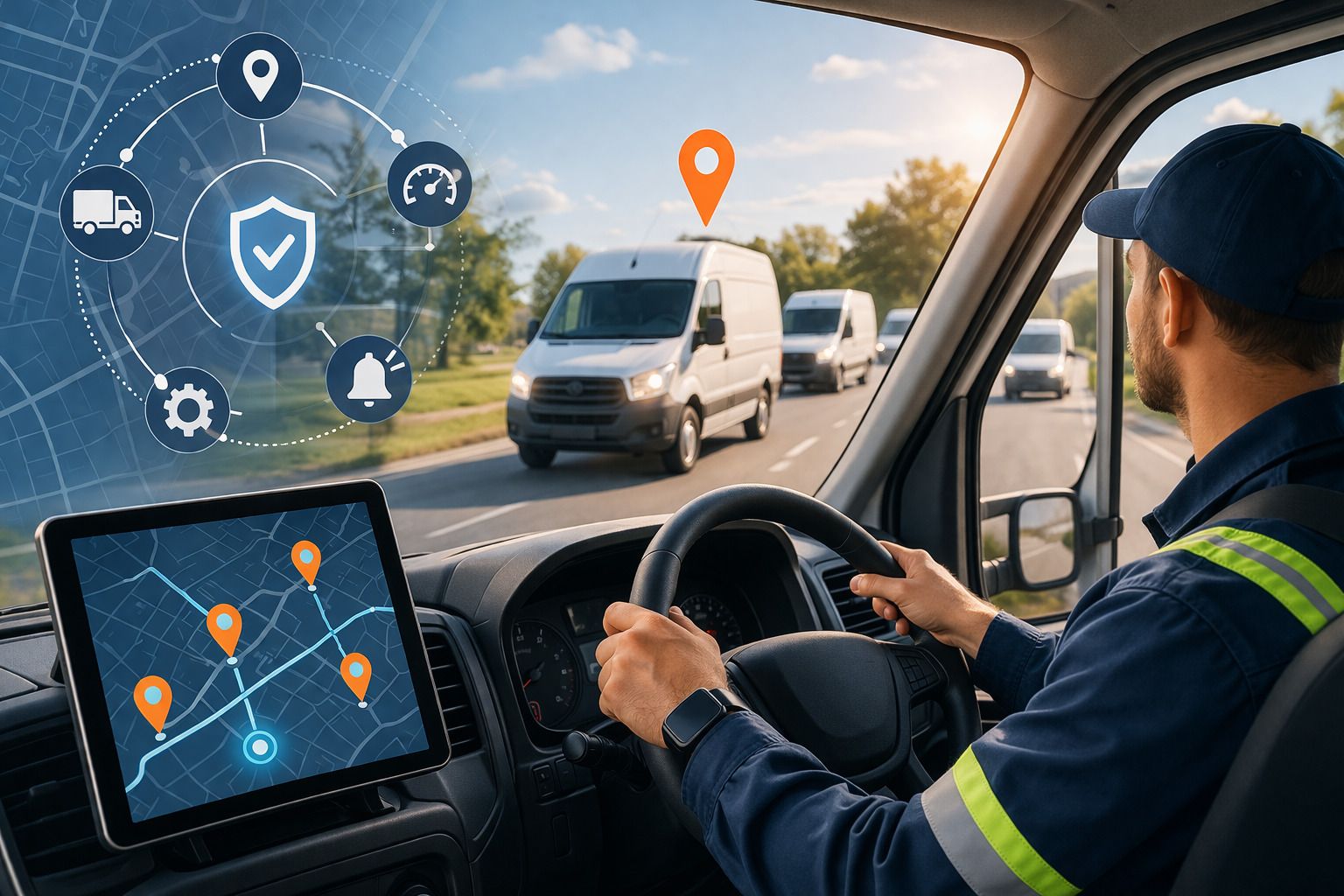
Driver safety is not just about maintenance schedules; it's about visibility into what's happening on the road. With GPS tracking telematics, fleet managers gain real-time insight into driver behavior, vehicle movement, and risk patterns that often go unnoticed.
Speeding, harsh braking, rapid acceleration, and unauthorized usage are some of the most common causes of accidents tied to poor driver performance. Without visibility, these behaviors remain reactive problems. But with GPS tracking, fleets can shift from reactive maintenance to proactive safety management.
Real-time alerts allow managers to intervene before unsafe driving leads to accidents or excessive fleet downtime. Instead of discovering issues after an incident, fleets can identify patterns early and correct them through coaching or policy adjustments.
Platforms that combine GPS tracking telematics with centralized fleet data make it easier to connect driver behavior with maintenance impact. For example, aggressive driving often accelerates wear on brakes and tires, increasing both risk and repair costs.
If you're still relying only on maintenance logs without behavioral tracking, you're missing a critical layer of driver safety.
Go Paperless
A smart, easy to install and use fleet maintenance technology like AUTOsist allows drivers to move away from paper work and manage the entire data related to driver logs, spend analysis data, backup data and more. Fleet maintenance management technology proves an automated experience to fleet managers as well as drivers while reducing their time and cost associated in manual tracking of all vehicle related records. Whatever is going on behind the wheels, a fleet maintenance and management system is the right tool to make your tasks faster, efficient and easier.
Connecting Driver Behavior to Vehicle Health
Driver safety and vehicle condition are deeply connected. Unsafe driving habits don't just increase accident risk, they directly contribute to mechanical issues that lead to breakdowns.
Frequent hard braking, speeding, and inconsistent driving patterns put additional stress on key components. Over time, this leads to premature failures, increased repair frequency, and unexpected reactive maintenance situations.
By combining GPS tracking telematics with maintenance data, fleets can understand why certain vehicles require more frequent service. This shifts decision-making from guesswork to data-driven insights.
For example, if one vehicle shows repeated brake issues, telematics data may reveal aggressive driving patterns as the root cause. Addressing driver behavior reduces both safety risks and long-term maintenance costs.
Fleets that adopt this approach often see improvements not just in safety, but also in operational efficiency by reducing reactive maintenance and improving maintenance timing.
Explore AUTOsist to help your fleet managers, ensure the safety of your drivers and vehicle.
Top 5 Features of AUTOsist
Web Based + Mobile App – Available for iOS, Android, and Web. Everything syncs so you can manage your fleet on the go.
Maintenance and Fuel Tracker – A dedicated area to track your maintenance and fuel records. Attach receipts and free up any paper clutter.
Reminder Notifications – Set up reminders based on odometer and/or date. Get an alert via push notification and email.
Inspections – Create custom inspection checklists and get notified when something is not in proper working order.
Assign Custom Users with Permission Control – Have multiple users assigned to vehicles/assets and control what they can or can’t do.
Take control of driver safety before it costs you. With real-time tracking and smarter fleet insights, AUTOsist helps you prevent risks, reduce downtime, and protect your drivers every day. Start your risk-free trial today no credit card required.
Preventing Accidents Before They Happen
Most fleets respond to accidents after they occur. But improving driver safety requires preventing incidents before they happen.
With GPS tracking telematics, fleets can establish safety benchmarks and continuously monitor compliance. This includes:
- Setting speed thresholds
- Monitoring idle times
- Tracking route deviations
- Identifying risky driving patterns
Instead of relying on driver reports or delayed feedback, managers receive continuous insights that help enforce safer driving standards.
This proactive approach directly reduces accident rates, insurance claims, and unplanned downtime. It also creates accountability across the fleet, where drivers are more aware of their performance and its impact.
Over time, this builds a culture of safety rather than reaction, where data supports better decisions, and risks are addressed before they escalate into costly incidents.
Understanding How Telematics and GPS Tracking Work Together for Safety
To fully improve driver safety, it's important to understand how GPS tracking telematics actually works behind the scenes. Many fleets use tracking tools, but without understanding the data, they miss out on real safety improvements.
At its core, telematics combines GPS location data with vehicle diagnostics and driver behavior insights. This means you're not just tracking where a vehicle is you're understanding how it's being driven and how that impacts safety and performance.
For example, GPS tracking telematics can capture:
- Real-time location and route history
- Speed patterns and violations
- Harsh braking and acceleration events
- Idle time and unauthorized usage
This level of visibility allows fleets to move beyond basic tracking into true safety management. Instead of reacting to incidents, managers can proactively identify risky driving patterns and intervene early.
If you're looking to better understand how telematics systems collect and use this data, it helps to explore how fleet telematics works in real-world operations. Similarly, understanding the benefits of GPS tracking for fleets highlights why these systems are becoming essential for safety-focused operations.
When combined with structured fleet management vehicle tracking, telematics becomes a powerful tool, not just for monitoring vehicles, but for actively reducing risk and improving driver accountability across the fleet.
Building a Safety-First Fleet Culture with Data
Technology alone doesn't improve driver safety, how you use it does. The real value of GPS tracking telematics lies in turning data into actionable safety improvements.
Fleets that succeed in reducing accidents use telematics data to:
- Train drivers based on real behavior
- Set measurable safety goals
- Identify high-risk patterns early
- Align maintenance and safety strategies
This creates a feedback loop where driver behavior, vehicle condition, and maintenance planning all work together.
A safety-first fleet doesn't rely on assumptions. It uses real-time data to make informed decisions, reduce risk exposure, and protect both drivers and assets.
When combined with a structured maintenance system, GPS tracking becomes a foundational tool, not just for operations, but for long-term safety and reliability across the fleet.
Frequently Asked Questions
-
How does GPS tracking improve driver safety?
GPS tracking telematics improves driver safety by providing real-time visibility into driving behavior such as speeding, harsh braking, and route deviations. This allows fleet managers to identify risky patterns early and take corrective action before accidents occur. -
Can GPS tracking help reduce fleet accidents?
Yes, GPS tracking helps reduce accidents by enabling proactive monitoring and enforcement of safe driving practices. Fleets can set safety thresholds and receive alerts when drivers exceed limits, preventing unsafe situations from escalating. -
What is the connection between driver behavior and vehicle maintenance?
Driver behavior directly impacts vehicle condition. Aggressive driving increases wear on components like brakes and tires, leading to more frequent repairs and higher risk of breakdowns. Monitoring behavior helps reduce unnecessary maintenance issues. -
How does GPS tracking reduce fleet downtime?
By identifying unsafe driving patterns early, GPS tracking prevents excessive wear and unexpected failures. This reduces unplanned repairs and helps fleets avoid costly downtime caused by preventable mechanical issues. -
Is GPS tracking useful for small fleets?
Yes, even small fleets benefit from GPS tracking telematics. It helps maintain control over driver behavior, improves safety, and ensures vehicles are used efficiently without needing large operational overhead.