Asset Lifecycle Management for Fleet Operations
Asset lifecycle management in fleet operations is the structured process of planning, tracking, maintaining, and retiring vehicles and equipment based on cost, performance, and compliance data. When managed consistently, it reduces downtime, stabilizes budgets, and improves long-term operational reliability.
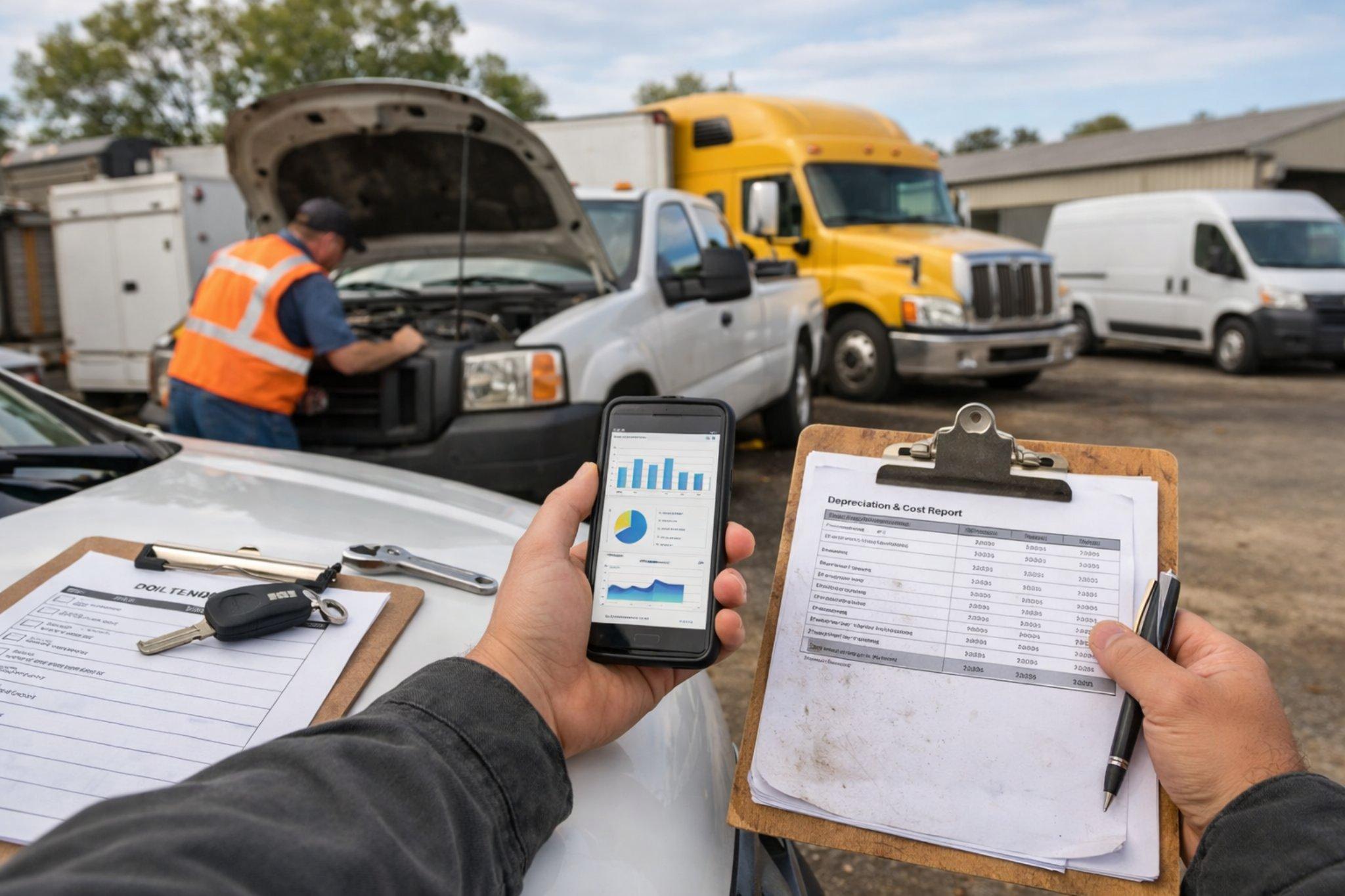
Key Lifecycle Metrics for Fleet Assets
| Metric | Definition | Review Cadence | Typical Action |
|---|---|---|---|
| Total Cost of Ownership | All acquisition and operating costs combined | Quarterly | Re-evaluate asset viability |
| Downtime Hours | Non-operational time per asset | Monthly | Adjust maintenance frequency |
| Maintenance Cost per Mile | Repair and service spend vs. mileage | Monthly | Compare repair vs. replace |
| Utilization Rate | Percentage of active use time | Quarterly | Reassign or retire asset |
| Compliance Events | Inspection or violation count | Ongoing | Trigger audits or training |
Reactive Replacement vs. Planned Replacement

Reactive Replacement
- Replacement occurs after major failure
- Budget impact is unpredictable
- Higher emergency repair costs
- Increased service interruptions

Planned Replacement
- Replacement based on cost and age thresholds
- Predictable capital planning
- Lower unexpected downtime
- Better resale or residual value
Asset Lifecycle Management in Fleet Operations
A lifecycle approach treats each vehicle or asset as a long-term operational investment rather than a short-term expense. Decisions are guided by data instead of isolated incidents.
- Establish acquisition standards for vehicle classes
- Track service history and repair frequency
- Monitor mileage, engine hours, and fuel usage
- Align maintenance intervals with OEM guidelines
- Document inspections and compliance records
Outcome
- Consistent asset performance
- Reduced unplanned failures
- Clear accountability for asset decisions
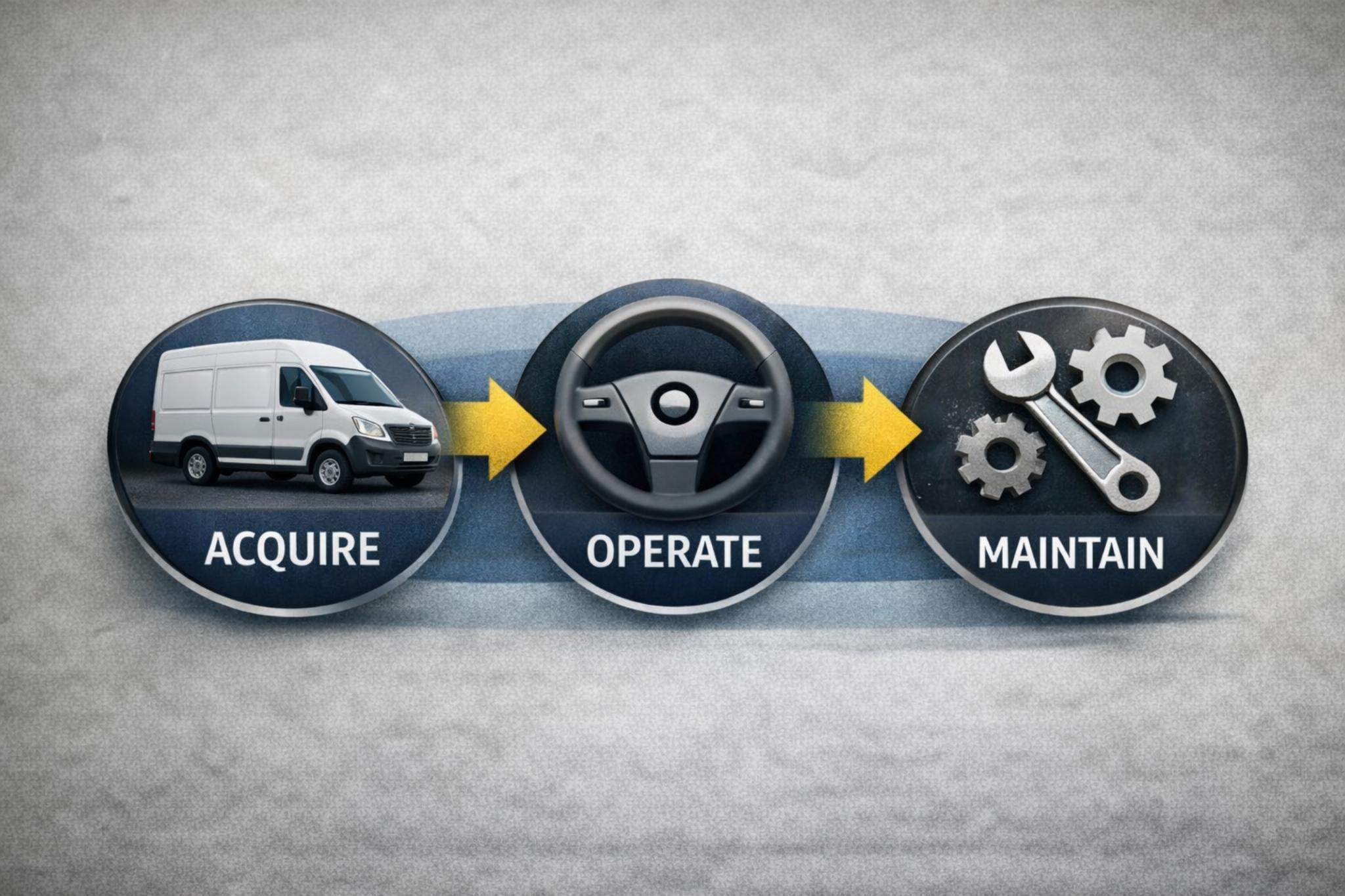

Building a Fleet Asset Lifecycle Framework
A defined framework ensures lifecycle decisions are repeatable and not dependent on individual judgment. It connects financial planning, maintenance scheduling, and compliance oversight.
- Define asset categories and service expectations
- Assign ownership roles for maintenance and approvals
- Set review intervals for asset performance
- Integrate budgeting with replacement forecasts
- Standardize documentation formats
Outcome
- Predictable capital expenditure
- Improved cross-department coordination
- Transparent asset status visibility
Data, Processes, and Controls That Support Lifecycle Management
Lifecycle management is sustained by consistent data capture and operational controls rather than isolated reports. Reliable inputs enable accurate trend analysis.
- Maintain centralized service and inspection records
- Track parts usage and inventory levels
- Monitor utilization trends across locations
- Use structured maintenance workflows
- Preserve historical cost and compliance logs
Outcome
- Better repair-vs-replace decisions
- Stronger audit readiness
- Improved maintenance planning accuracy
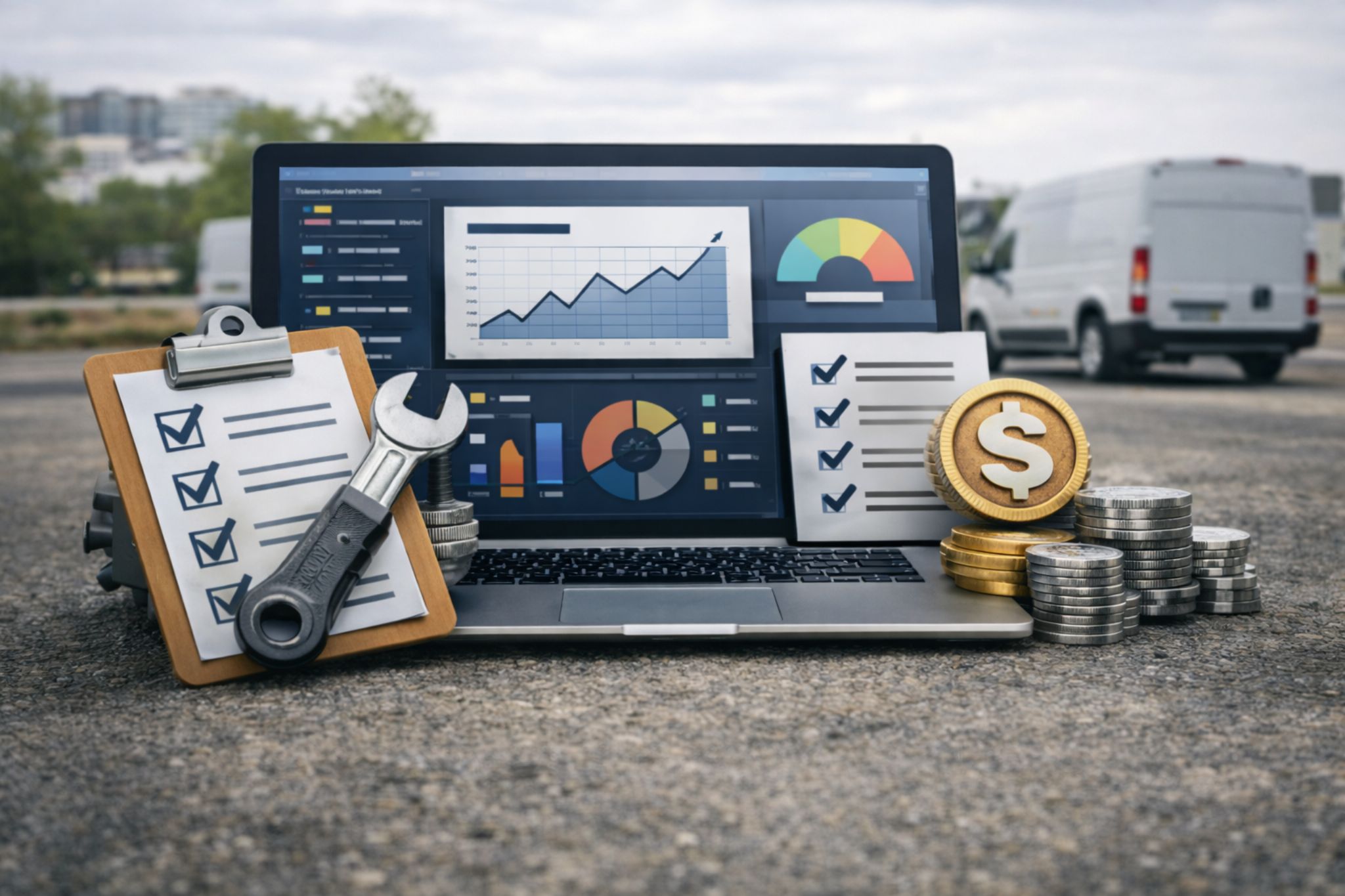
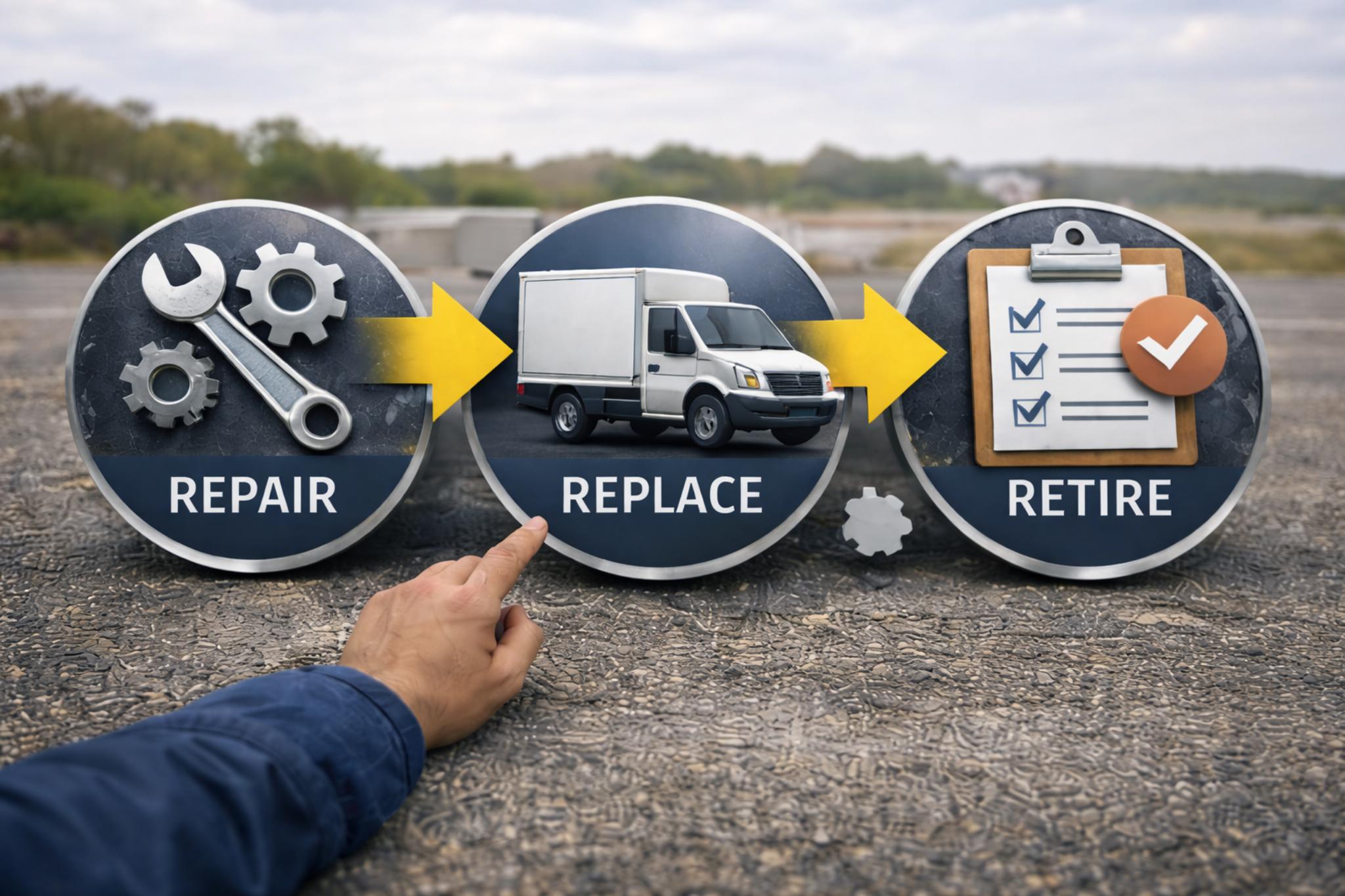
Lifecycle Decisions: Repair, Replace, or Retire
Replacement timing affects both operational reliability and financial efficiency. Decisions should be triggered by measurable thresholds instead of vehicle age alone.
- Compare cumulative repair costs to asset value
- Evaluate downtime frequency and severity
- Consider compliance risk and inspection failures
- Assess resale or trade-in potential
- Review utilization decline patterns
Outcome
- Reduced financial leakage
- Balanced fleet age distribution
- Controlled risk exposure
Final Takeaways
Asset lifecycle management is a structured discipline that connects maintenance, cost tracking, utilization analysis, and compliance oversight into a single operational view.
- Use measurable thresholds rather than intuition.
- Maintain centralized records for every asset.
- Review performance and cost trends regularly.
- Plan replacements before failure events.
- Align lifecycle policy with budget planning.
AUTOsist Fleet Management Resources
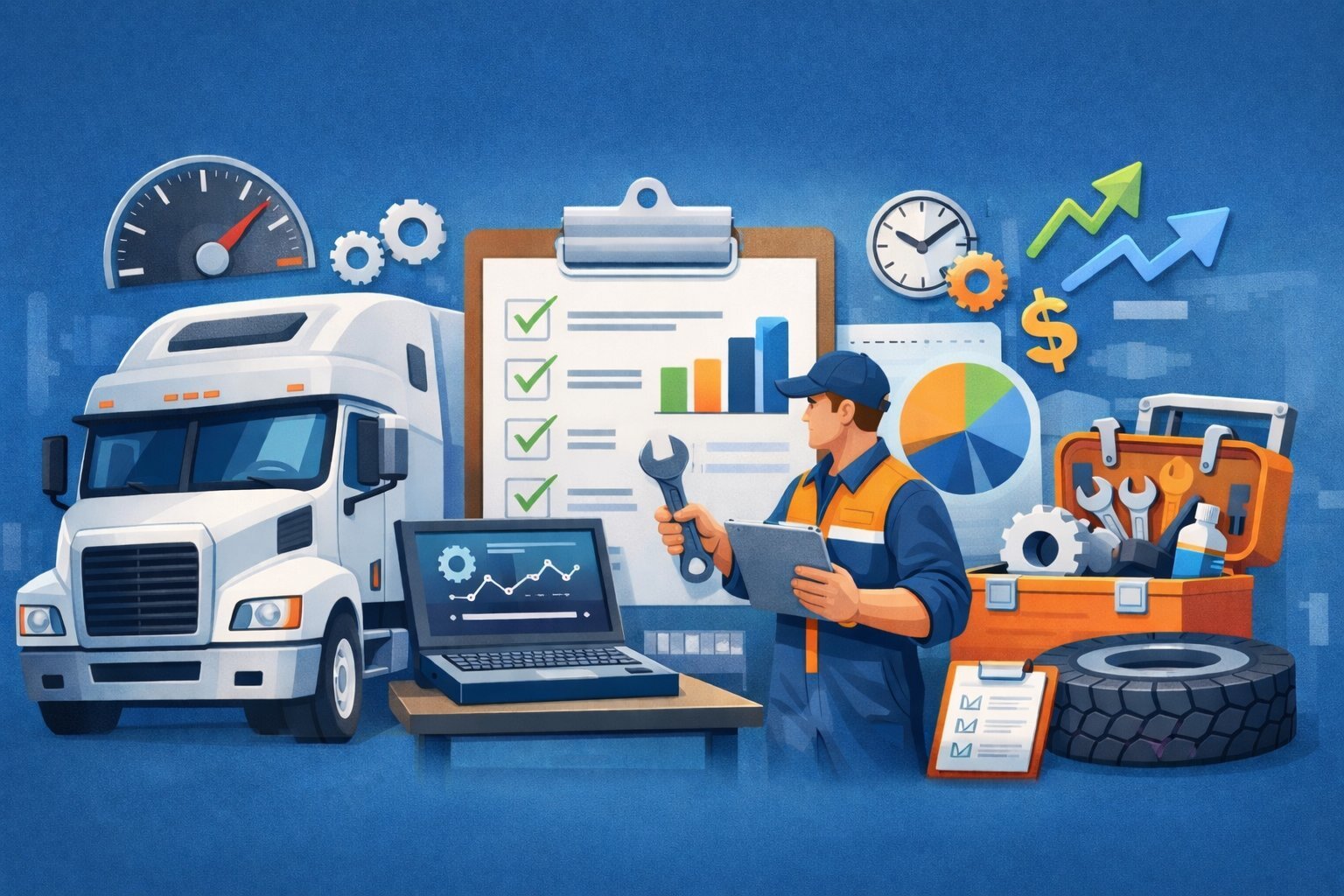
Fleet Maintenance KPIs (With Formulas)
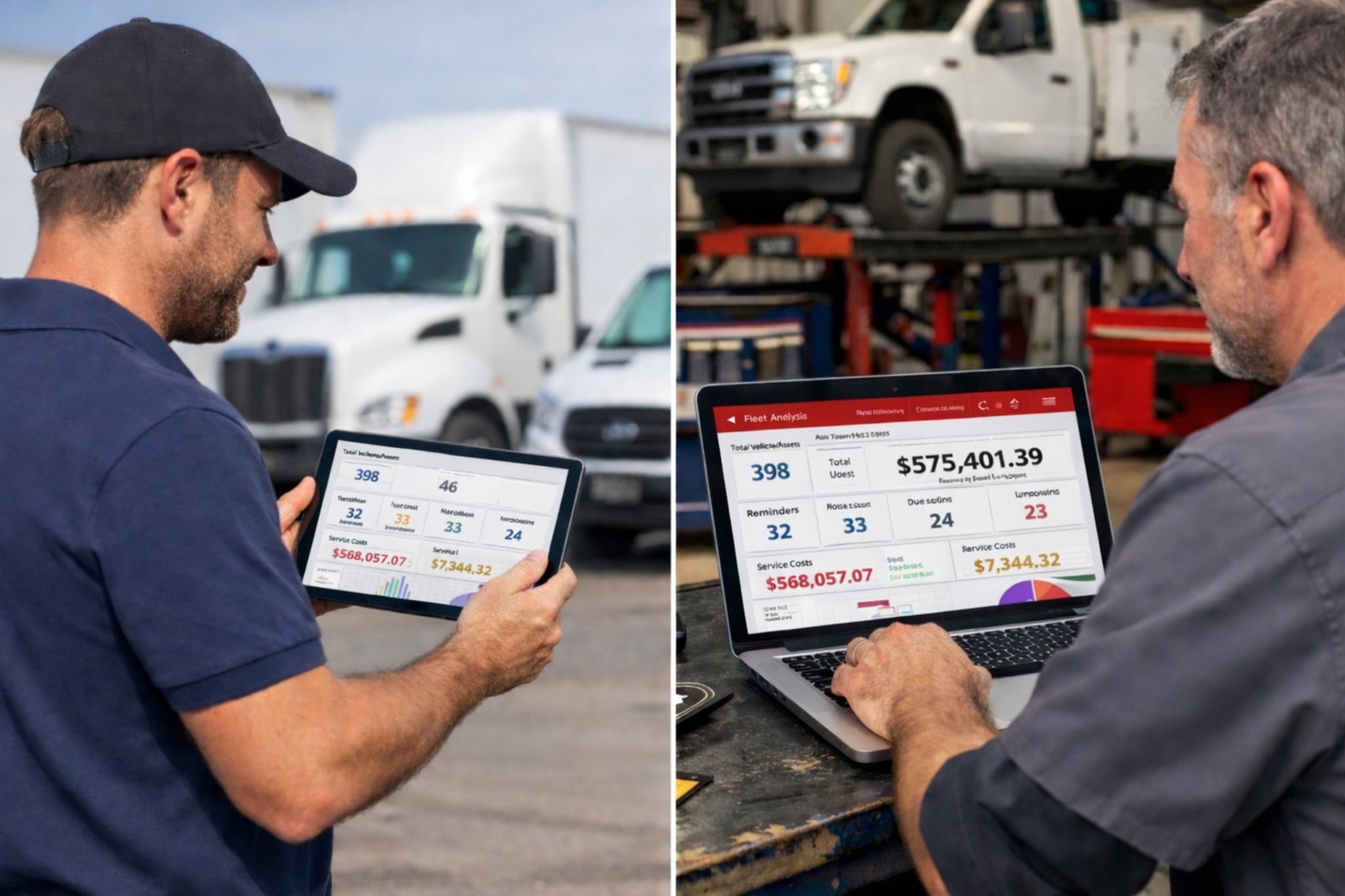
How to Track Fleet Maintenance (Step-by-Step)
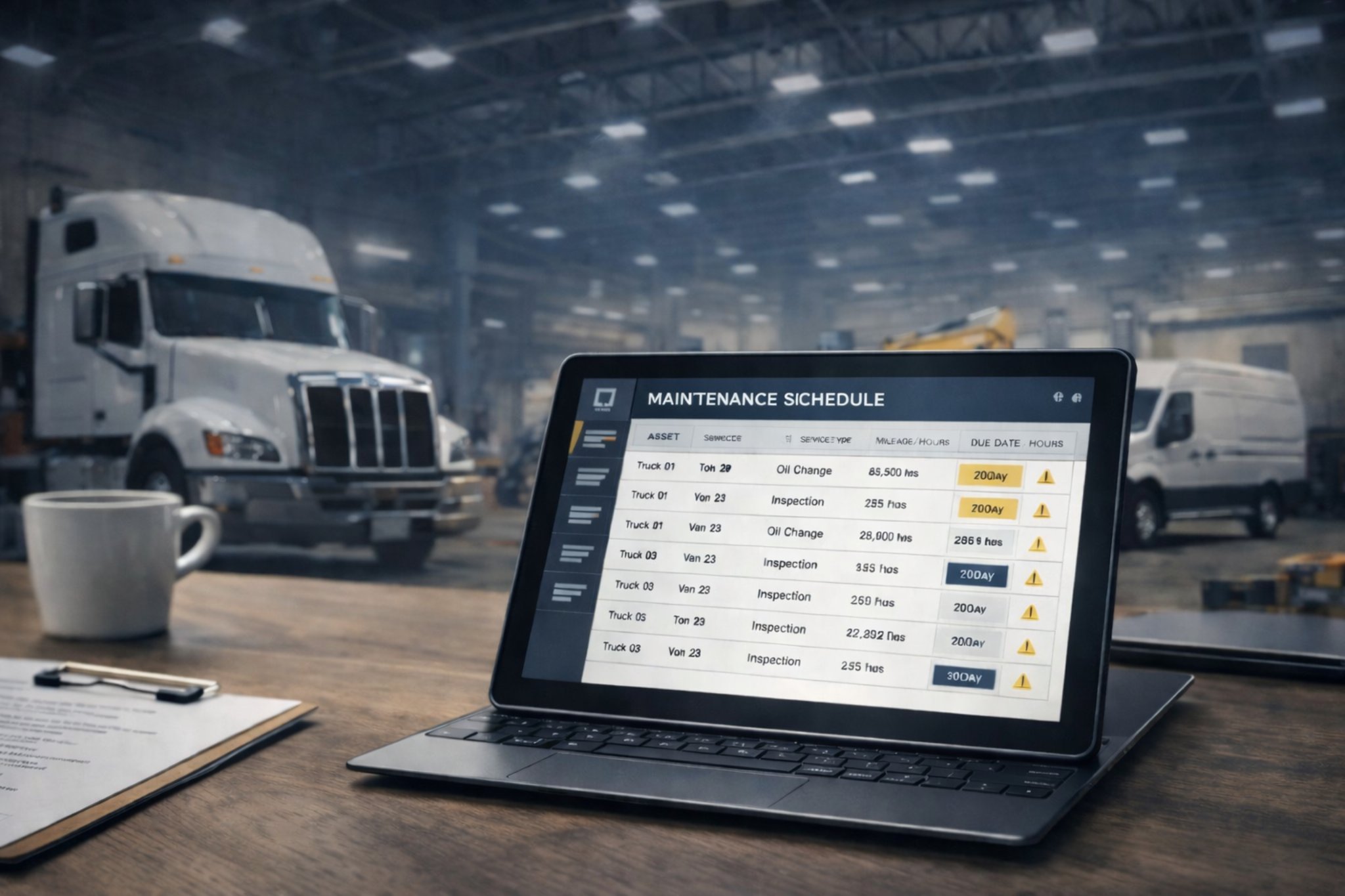
Preventive Maintenance Schedule Template
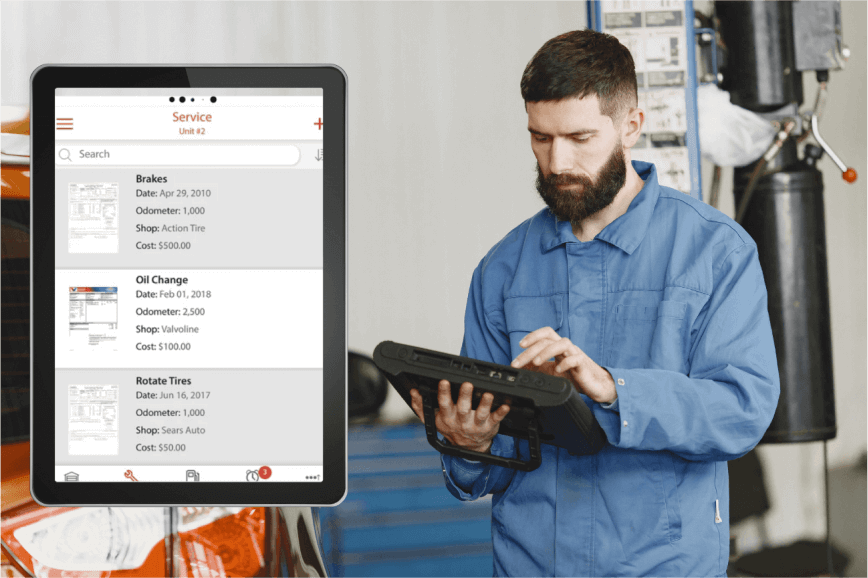
Equipment and Vehicle Service History