Best Fleet Maintenance Software (2026 Comparison Guide)
Fleet maintenance software in 2026 must do more than track service dates; it must coordinate preventive schedules, inspections, work orders, inventory, reporting, and integrations in one operational system. This guide provides a structured comparison framework to help fleet managers evaluate options based on workflow fit, implementation risk, and long-term control.

Vendor Shortlist Scorecard
| Capability | What to verify | Evidence to request | Notes |
|---|---|---|---|
| Preventive maintenance | Rule-based PM triggers | Sample PM setup demo | Miles, hours, or time-based |
| Work orders | Digital assignment and tracking | Live work order lifecycle view | Mobile and desktop support |
| Inspections / DVIR | Customizable inspection forms | Driver app walkthrough | Real-time issue reporting |
| Parts & inventory | Stock levels and reorder alerts | Parts usage report sample | Multi-location visibility |
| Reporting & KPIs | Maintenance and cost dashboards | KPI export example | Customizable metrics |
| Integrations | Telematics and fuel sync | Active integration list | API or native connections |
All-in-One Suite vs Best-of-Breed Integrations

Operational Control
All-in-One Suite
- Centralized maintenance, inspections, and reporting
- Single source of asset truth
- Fewer vendor relationships to manage
Best-of-Breed Integrations
- Specialized tools for each function
- Potentially deeper feature sets per module
- Requires structured data synchronization

Implementation & IT Complexity
All-in-One Suite
- Faster rollout timeline
- Unified user permissions and roles
- Lower integration overhead
Best-of-Breed Integrations
- Multiple contracts and onboarding cycles
- Integration testing required
- Greater dependency on APIs and third-party uptime
What Fleet Maintenance Software Should Include in 2026
Fleet maintenance platforms should support preventive, corrective, compliance, and reporting workflows without requiring manual spreadsheet coordination.
Core components to confirm include:
- Preventive maintenance scheduling based on mileage, hours, or calendar intervals
- Digital work order creation, assignment, and status tracking
- Inspection workflows for drivers and technicians
- Centralized service history by asset
- Parts and inventory tracking with usage visibility
Outcome indicators:
- Reduced unplanned downtime
- Clear audit trails for compliance
- Consistent maintenance documentation
For a deeper operational baseline, review the preventative maintenance guide for fleet operations to validate that software logic aligns with real-world PM standards.
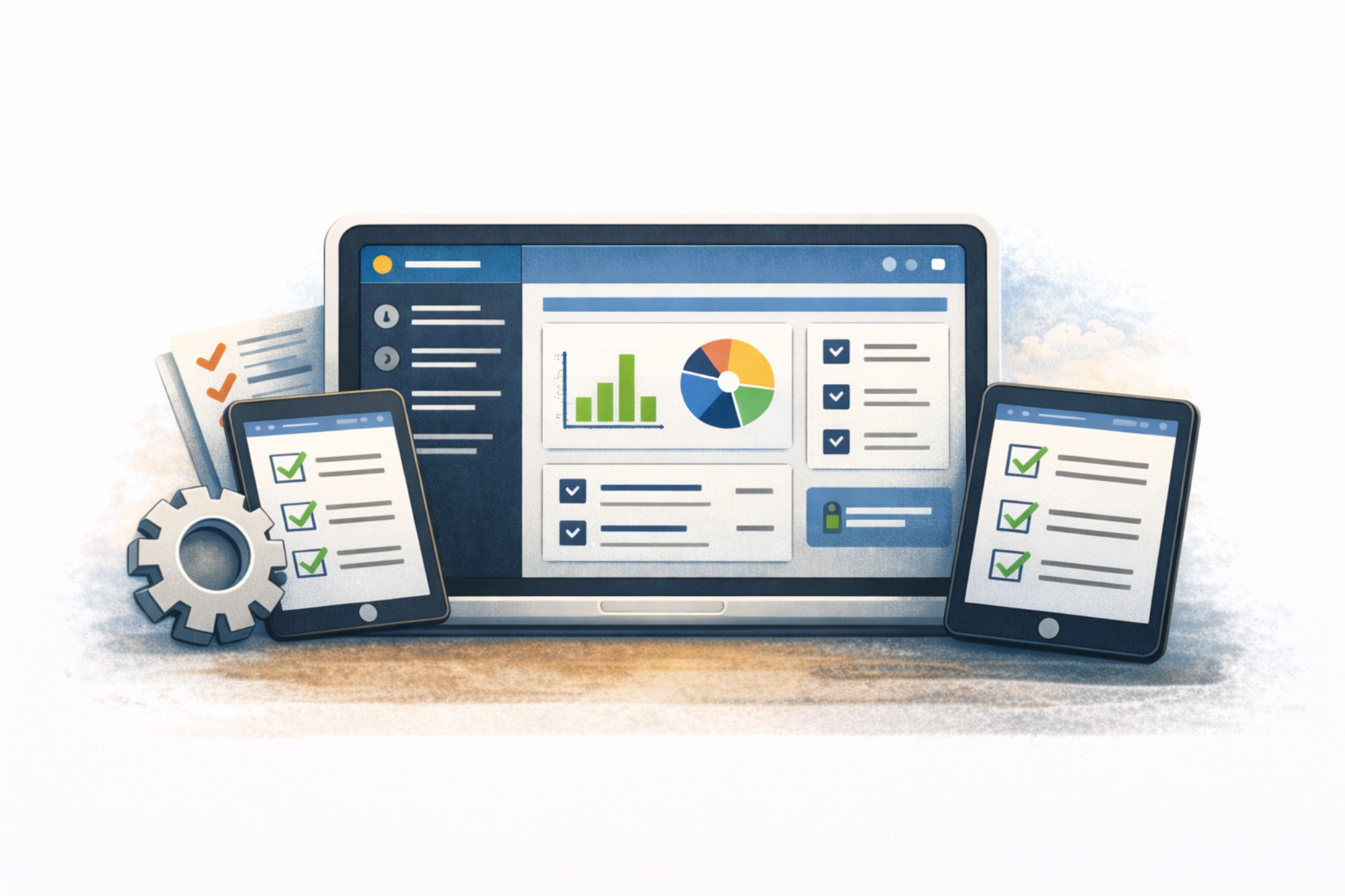

Evaluation Criteria That Holds Up Across Fleet Types
Fleet size and industry vary, but evaluation fundamentals remain consistent. Software should support measurable performance control rather than just digital record storage.
Key criteria to apply:
- Ability to configure preventive schedules by asset class
- Role-based user and driver access control
- Real-time maintenance status visibility
- Customizable reporting dashboards
- Integration compatibility with telematics and fuel systems
Operational measurement should align with established benchmarks such as those outlined in a structured breakdown of fleet maintenance KPIs with formulas.
Outcome indicators:
- Measurable reduction in reactive maintenance
- Improved maintenance cost predictability
- Clear accountability across teams
Implementation and Operational Readiness Checks
Successful software deployment depends on data quality and internal process clarity.
Before rollout, verify:
- Clean, accurate asset inventory list
- Defined PM intervals per vehicle type
- Standardized inspection checklist format
- Parts categorization structure
- Clear ownership of reporting cadence
If internal schedules are not standardized, a structured preventive maintenance schedule template can help normalize PM intervals before system migration.
Outcome indicators:
- Faster onboarding
- Reduced resistance from technicians
- Fewer post-launch workflow adjustments


Cost, ROI, and Risk Controls
Software cost should be evaluated against downtime exposure, labor efficiency, compliance risk, and reporting clarity — not just subscription pricing.
When comparing vendors, examine:
- Pricing structure per asset vs per user
- Mobile app availability and support
- Data export and ownership policies
- Training and onboarding model
- Time-to-value expectations
Strong platforms include structured digital task assignment through integrated fleet maintenance work order software, ensuring labor tracking and job visibility remain centralized.
Outcome indicators:
- Lower administrative overhead
- Improved maintenance scheduling adherence
- Reduced audit and documentation risk
Final Takeaways
Selecting fleet maintenance software in 2026 requires operational discipline rather than feature comparison alone. Systems should reinforce preventive standards, provide workflow clarity, and support measurable reporting.
Key actions:
- Use a structured scorecard for vendor comparison.
- Prioritize preventive scheduling and work order visibility.
- Validate integration capabilities early.
- Pilot with real fleet data before full rollout.
- Evaluate long-term workflow control, not short-term feature volume.
AUTOsist Fleet Management Resources
Preventative Maintenance Guide for Fleet Operations
Fleet Maintenance KPIs (With Formulas)
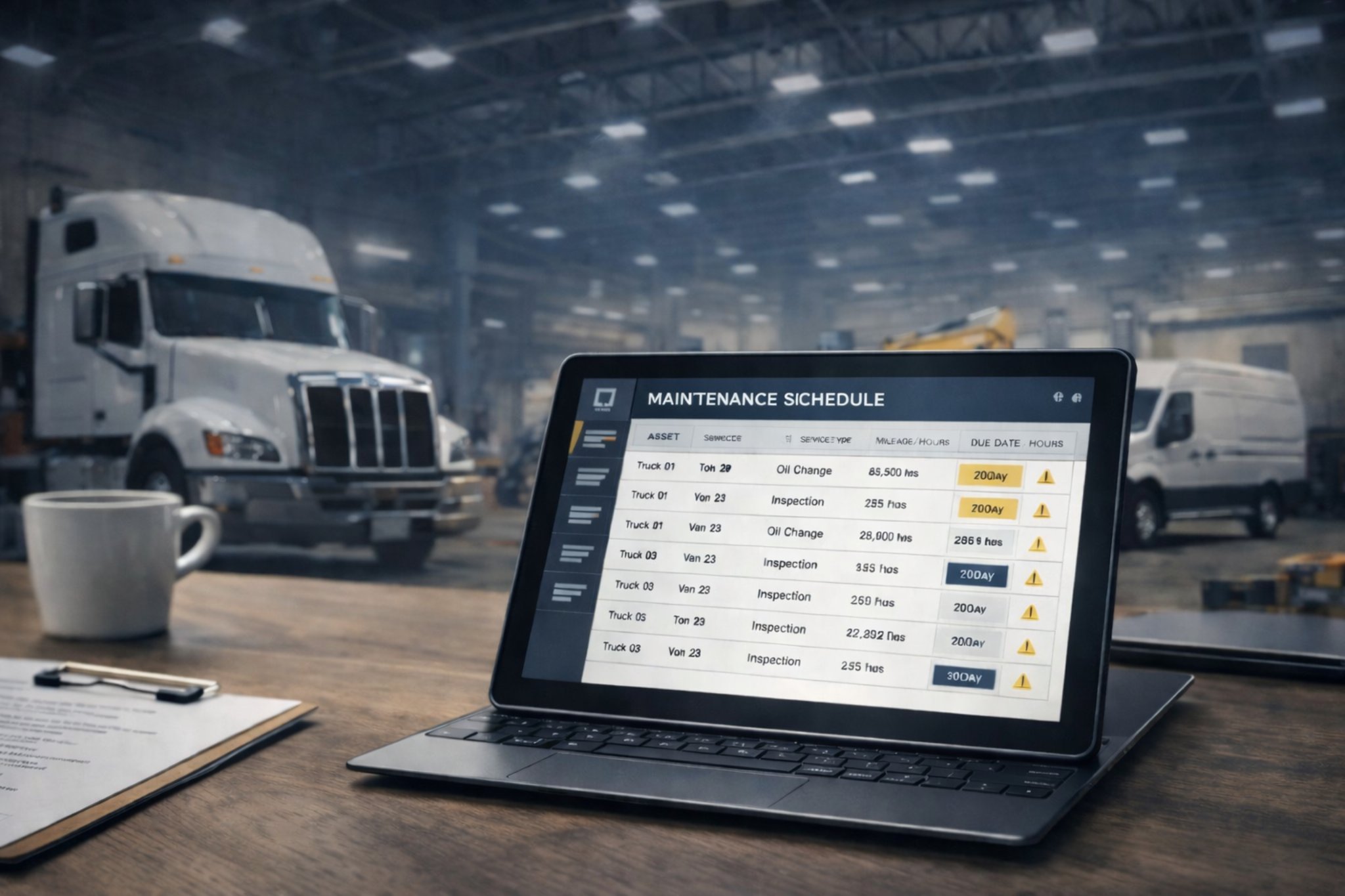
Preventive Maintenance Schedule Template
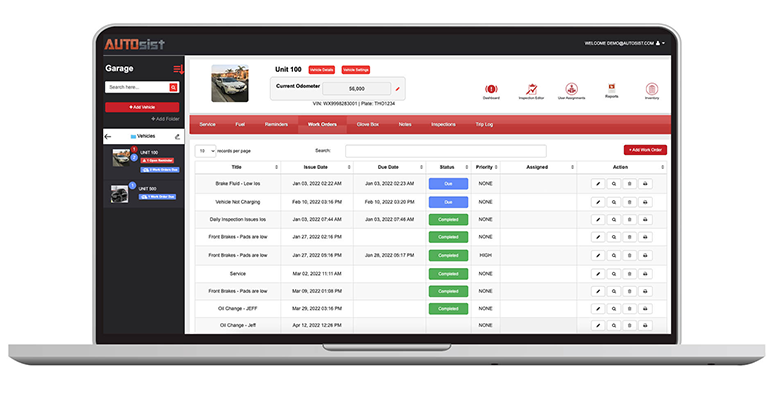
Fleet Maintenance Work Order Software