Fleet Safety Monitoring
Fleet safety monitoring is the ongoing process of observing vehicles, drivers, maintenance status, and operational behaviors to reduce risk, maintain compliance, and prevent avoidable incidents. It enables fleet teams to detect early warning signals, document evidence, and apply corrective actions before safety issues escalate into downtime, liability, or regulatory exposure.
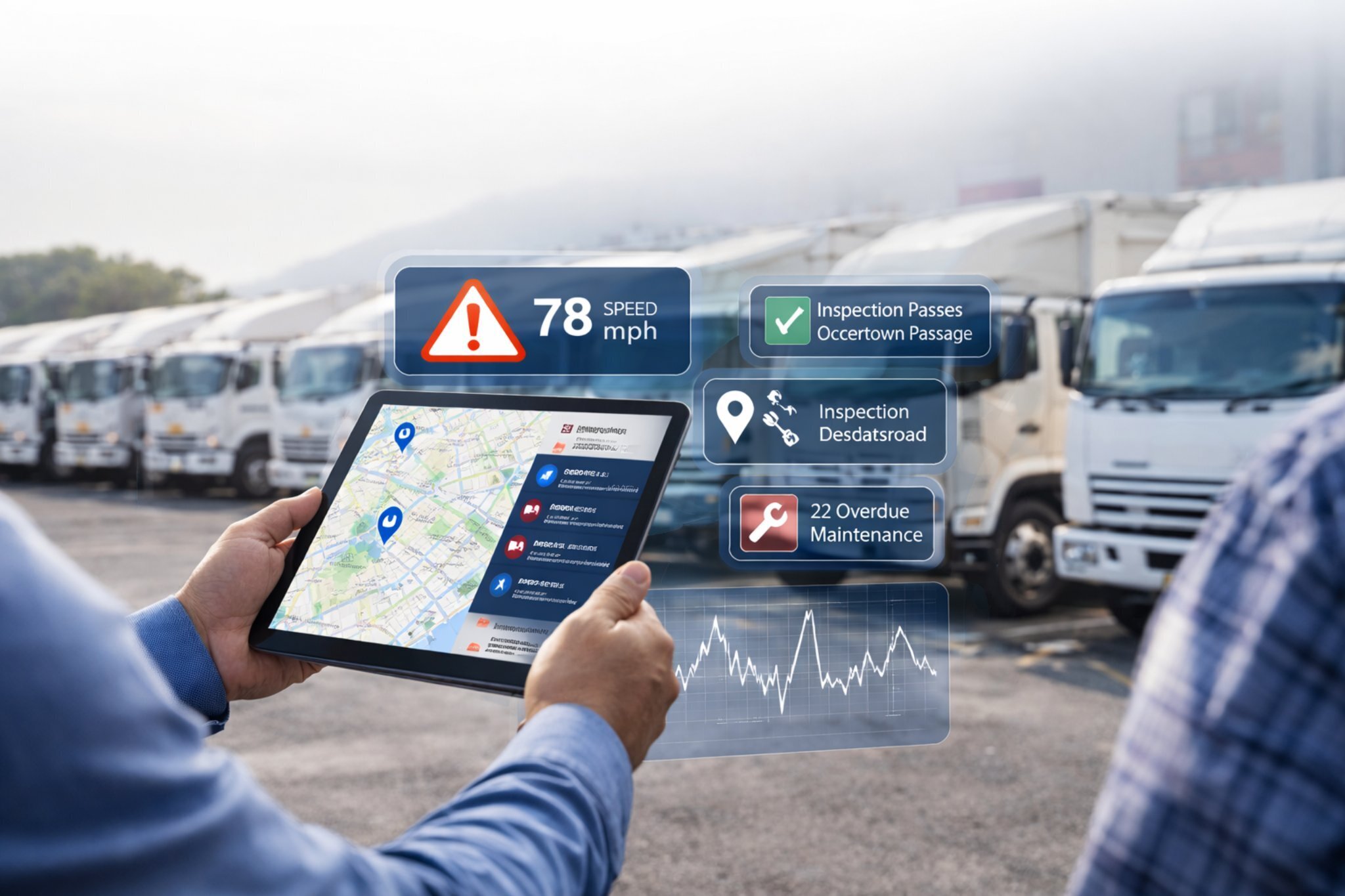
Safety Monitoring KPIs and Threshold Examples
| KPI | Example Threshold | Data Origin | Action Trigger |
|---|---|---|---|
| Inspection Completion Rate | < 95% weekly | Inspection logs | Supervisor review |
| Speeding Events | > 5 per 100 miles | Telematics | Driver coaching |
| Maintenance Overdue Tasks | > 3 active | Maintenance records | Immediate scheduling |
| Incident Frequency | > 2 per quarter | Incident reports | Safety audit |
| Tire Pressure Alerts | > 10 per month | Sensor data | Preventive service |
Reactive Incident Review vs. Proactive Risk Monitoring

Reactive Incident Review
- Focuses on events after damage or violation occurs
- Evidence collection happens post-incident
- Corrective action is delayed
- Limited ability to prevent repeat issues

Proactive Risk Monitoring
- Focuses on early indicators and behavioral trends
- Evidence is captured continuously
- Corrective actions are immediate and preventive
- Higher likelihood of reducing incident frequency
What Fleet Safety Monitoring Covers
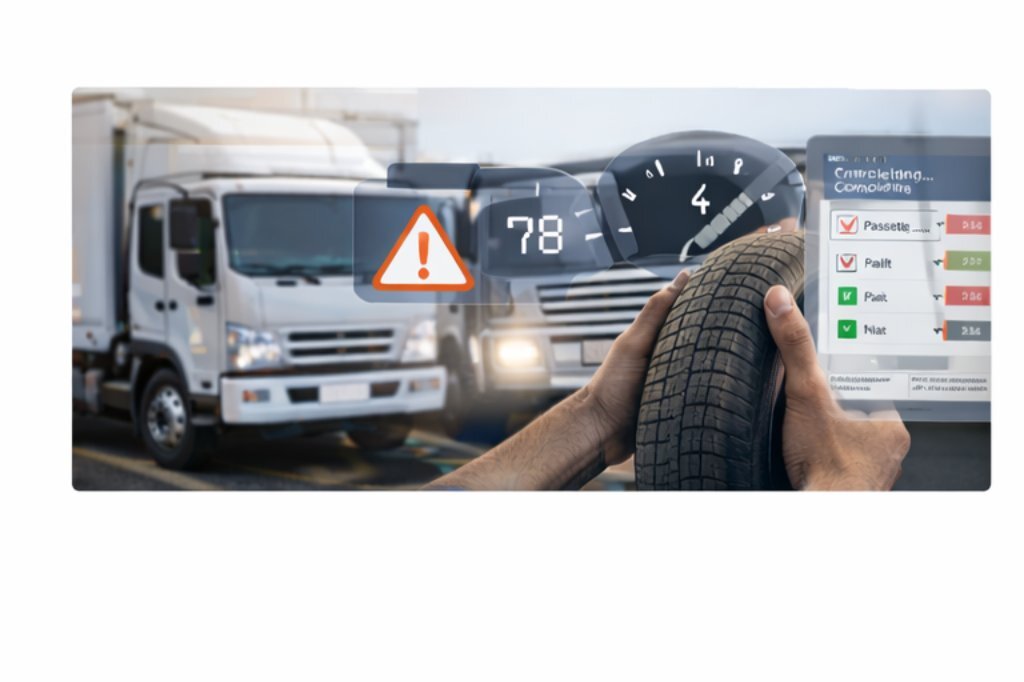
Fleet safety monitoring extends beyond driver behavior and includes vehicle condition, maintenance compliance, and documentation practices that collectively influence operational safety.
- Driver speeding, harsh braking, and fatigue indicators
- Vehicle inspection completion and defect reporting
- Preventive maintenance adherence and overdue tasks
- Incident logs and near-miss documentation
- Asset condition and usage patterns
Outcome Focus
- Reduced incident frequency
- Improved accountability
- Clear audit trail
Core Data Sources and Signals
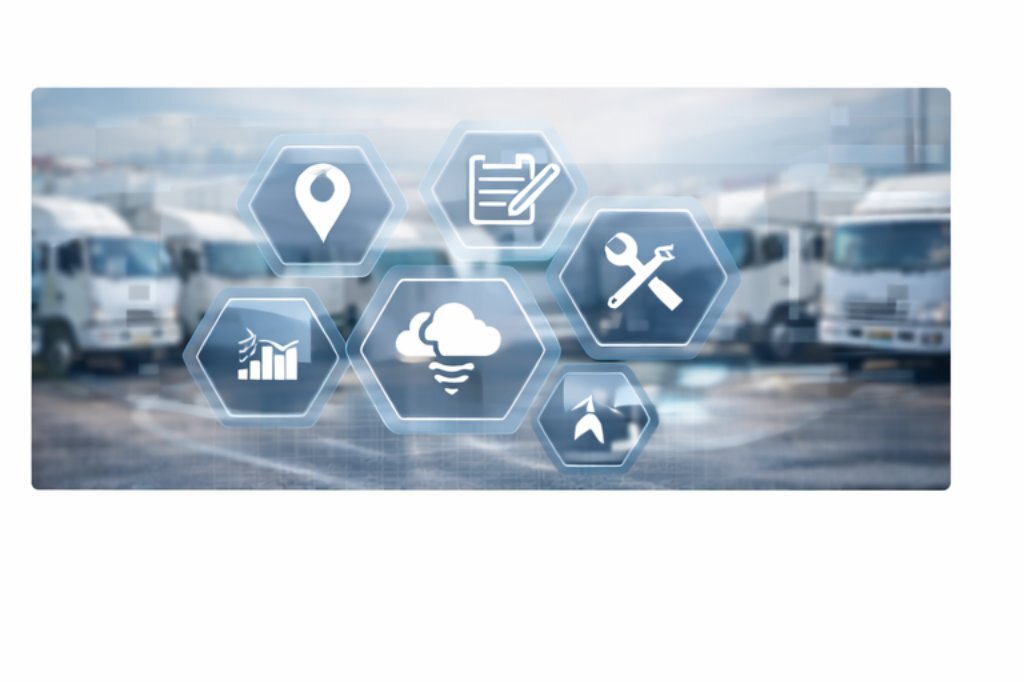
Effective safety monitoring relies on multiple data streams rather than a single tool or report. Consolidation improves accuracy and response speed.
- Telematics and GPS event feeds
- Digital vehicle inspection records
- Maintenance and service history logs
- Driver behavior analytics and trip summaries
- Environmental and route risk factors
Outcome Focus
- Better trend visibility
- Faster anomaly detection
- Evidence-based decisions
Operational Workflows for Ongoing Safety Oversight
Safety monitoring becomes effective when structured into repeatable workflows rather than ad-hoc reviews.
- Daily inspection verification and defect follow-ups
- Weekly KPI reviews and exception reporting
- Monthly maintenance compliance audits
- Escalation paths for unresolved safety issues
- Centralized documentation storage
Outcome Focus
- Consistent accountability
- Faster corrective action
- Reduced oversight gaps
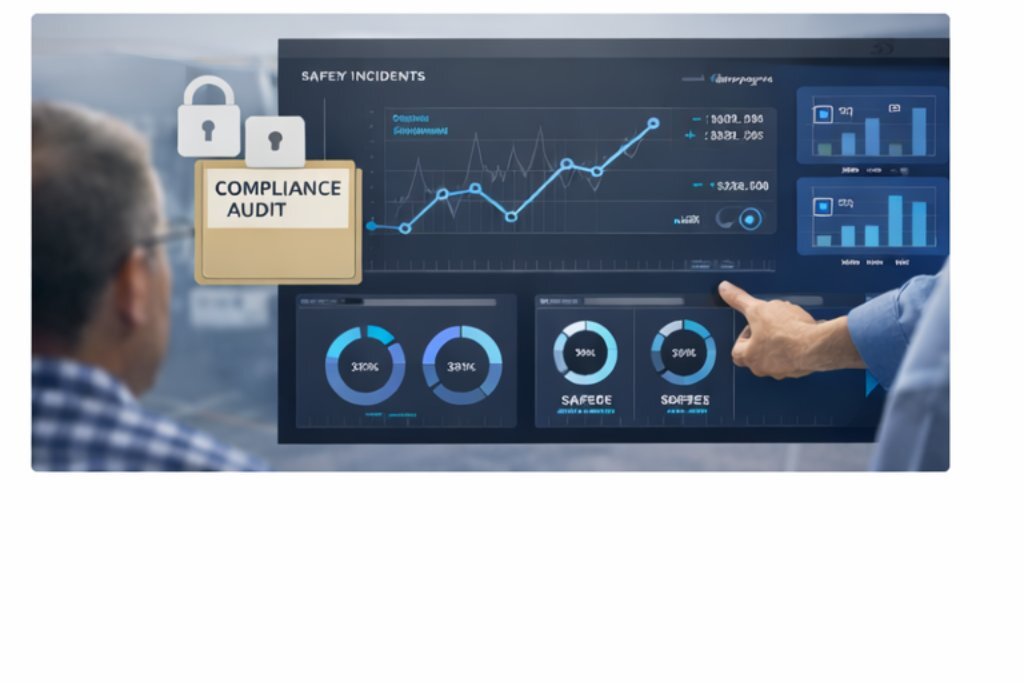
Compliance, Audit, and Evidence Management
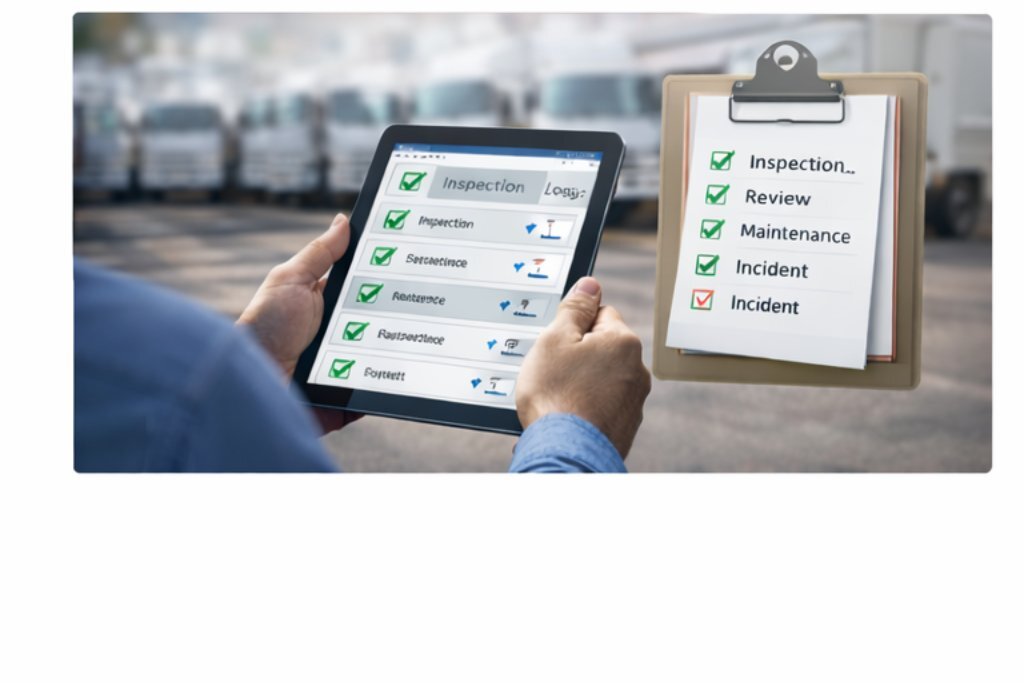
Safety monitoring supports regulatory readiness and insurance requirements by maintaining consistent documentation and verifiable records.
- Timestamped inspection and service logs
- Incident documentation with supporting media
- Driver acknowledgment and training records
- Maintenance completion evidence
- Centralized audit-ready archives
Outcome Focus
- Reduced audit preparation time
- Improved compliance confidence
- Clear liability protection
Performance Metrics and Continuous Improvement
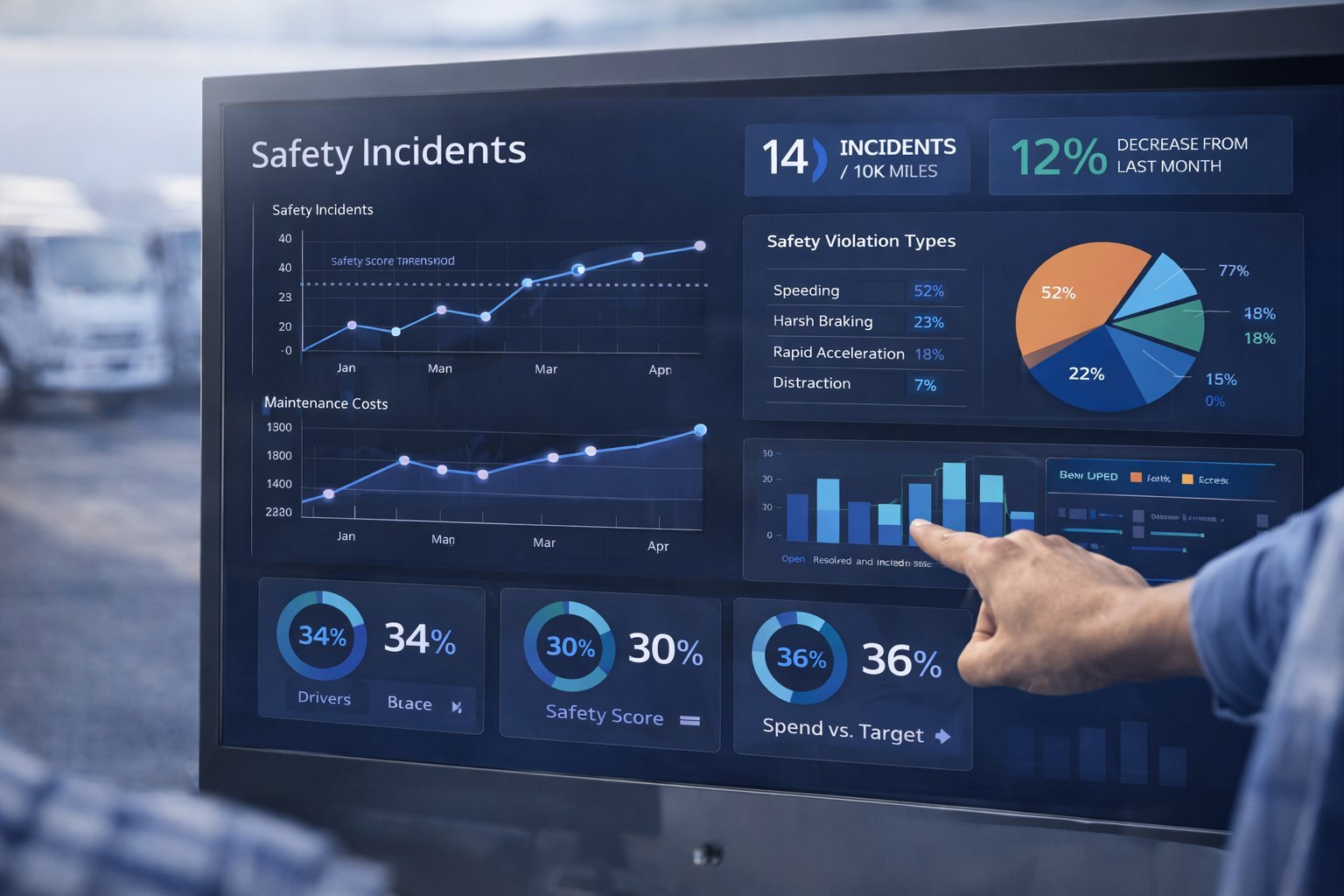
Safety monitoring is not static. Continuous improvement requires reviewing metrics, adjusting thresholds, and updating operational procedures.
- Benchmarking incident rates over time
- Revising KPI thresholds based on fleet size
- Identifying recurring defect categories
- Updating training based on behavioral trends
- Integrating feedback loops into workflows
Outcome Focus
- Long-term risk reduction
- Cost stability
- Operational maturity
Final Takeaways
Fleet safety monitoring functions best as a structured, data-driven practice rather than a periodic review activity. When integrated into daily operations, it reduces preventable incidents and strengthens compliance readiness.
- Monitor both driver behavior and vehicle condition.
- Use KPIs with defined thresholds.
- Maintain centralized evidence records.
- Establish recurring review workflows.
- Adjust thresholds as fleet conditions change.
AUTOsist Fleet Management Resources
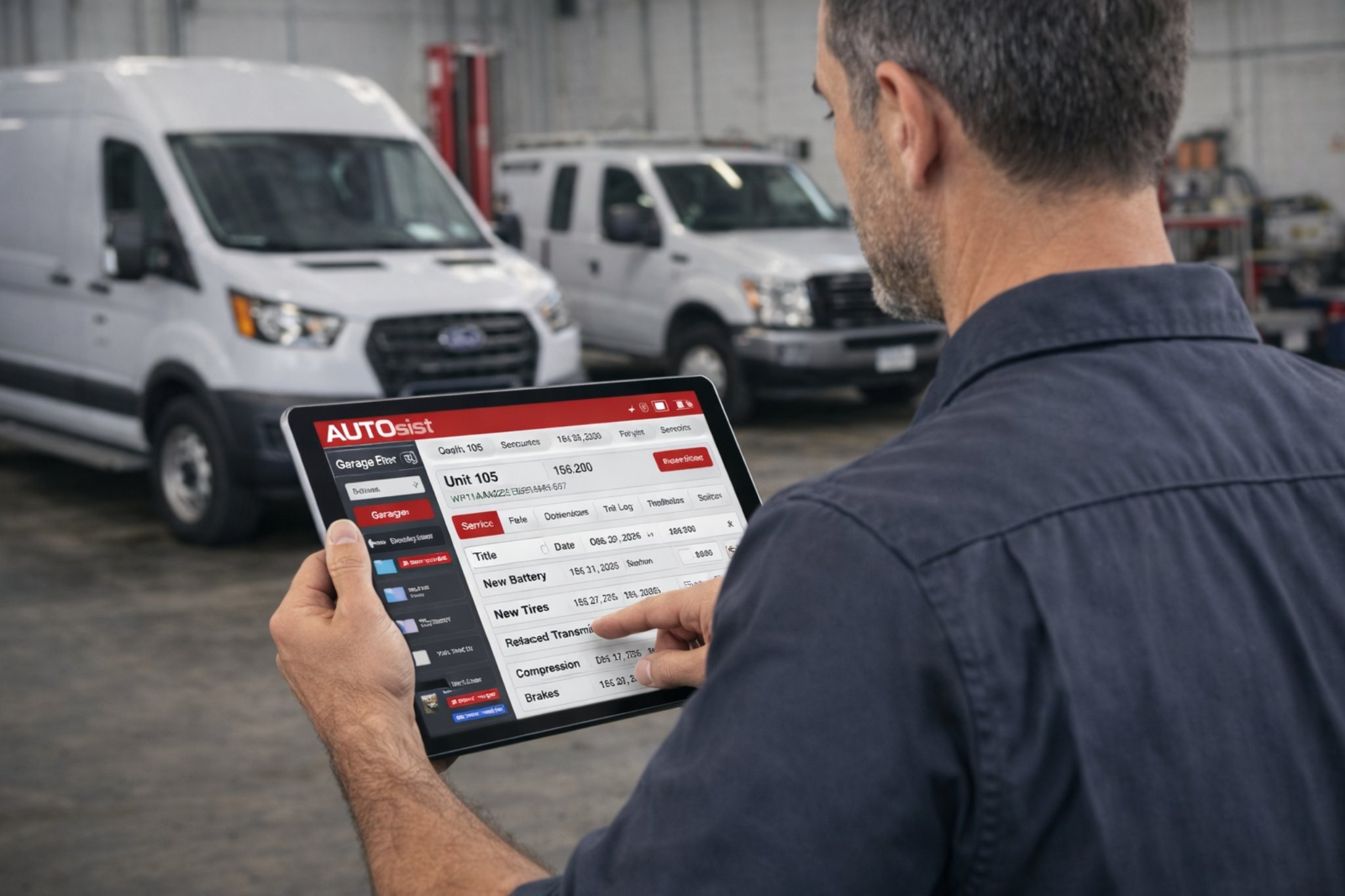
What Is Fleet Maintenance Software
Vehicle Inspection Guide for Fleets
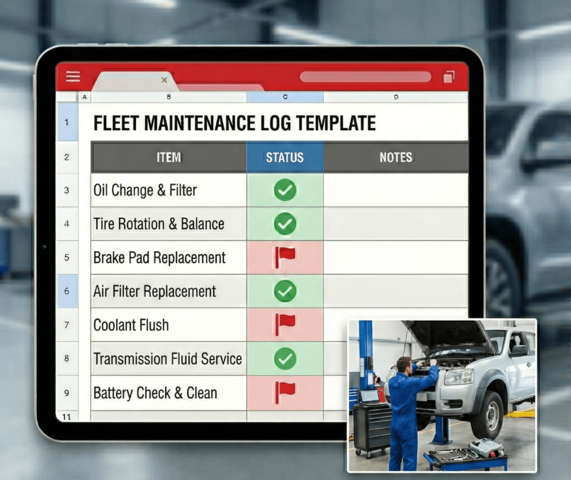
Fleet Maintenance Log Excel Template

Fleet Safety Guide for Fleet Operations