Fleet Efficiency in Fleet Operations
Fleet efficiency refers to how effectively vehicles, drivers, maintenance resources, and operational processes are used to achieve business goals with minimal waste. For fleet managers and operations teams, improving efficiency directly influences uptime, safety performance, fuel spend, and long-term asset value.
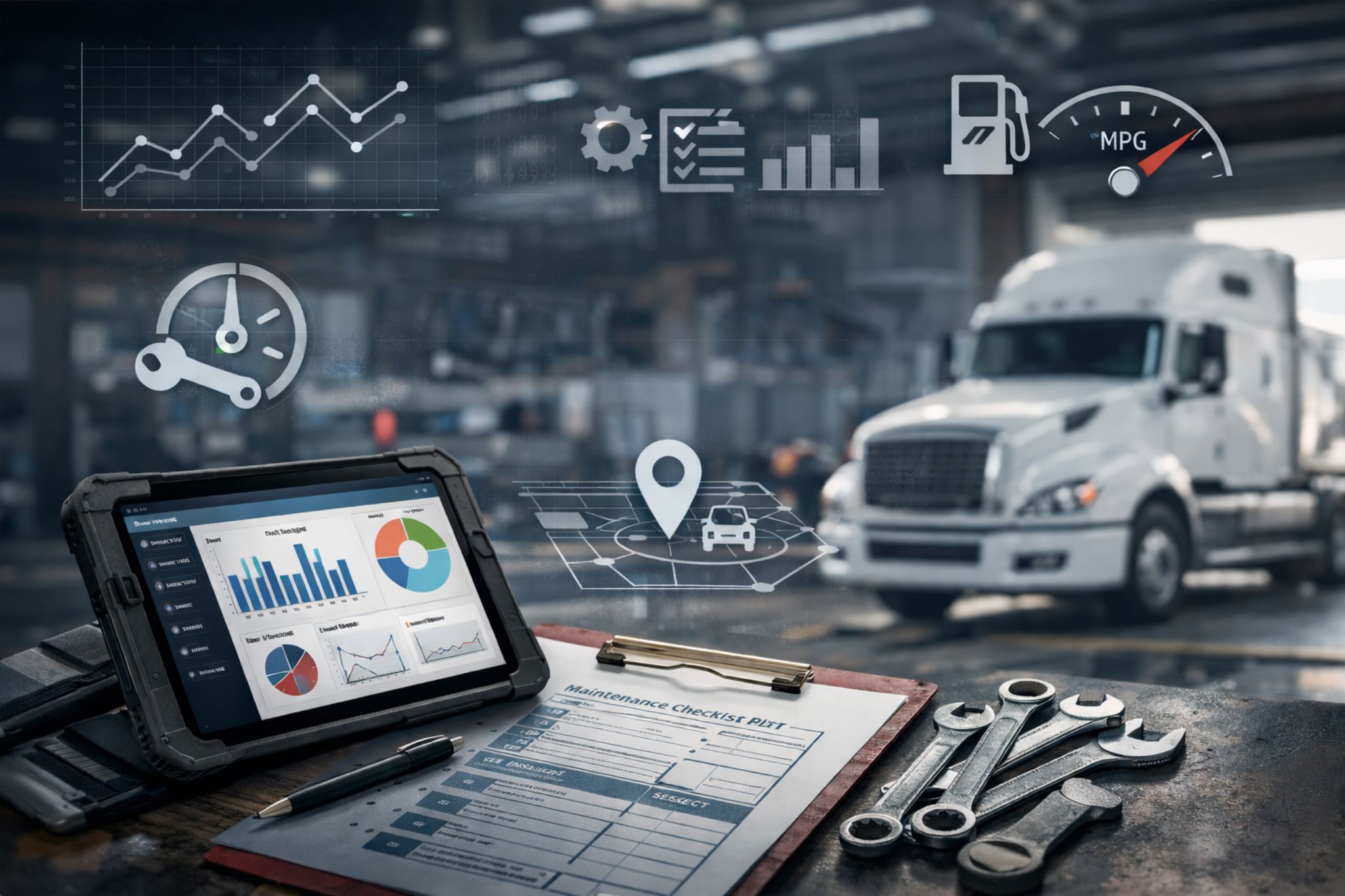
Fleet Efficiency Metrics Overview
| Metric | What It Measures | Operational Impact | Typical Data Source |
|---|---|---|---|
| Vehicle Utilization Rate | Percentage of active vs idle time | Identifies underused assets | GPS & trip logs |
| Maintenance Compliance | Scheduled vs completed services | Reduces breakdown risk | Service records |
| Fuel Consumption per Mile | Fuel used relative to distance | Controls operating cost | Fuel & mileage logs |
| Downtime Ratio | Time out of service vs total time | Signals reliability gaps | Work orders |
| Cost per Mile | Total operating cost per distance | Guides budgeting decisions | Financial reports |
Reactive Operations vs Preventive Operations
Reactive Operations
- Maintenance occurs after failures.
- Higher unplanned downtime.
- Budget variability and emergency repairs.
- Limited data for long-term planning.

Preventive Operations
- Scheduled servicing based on mileage or time.
- Lower breakdown frequency.
- Predictable maintenance budgeting.
- Consistent data for forecasting and optimization.
Key Metrics That Define Fleet Efficiency
Efficiency is measurable and must be tracked consistently to inform decisions. Without defined metrics, operational improvements become subjective rather than data-driven.
- Vehicle utilization percentage by asset type.
- Mean time between failures (MTBF).
- Maintenance completion rate vs schedule.
- Fuel cost per mile or per operating hour.
- Downtime hours per vehicle per month.
Outcome Focus
- Clear visibility into performance gaps.
- Objective prioritization of improvements.
- Early detection of reliability risks.
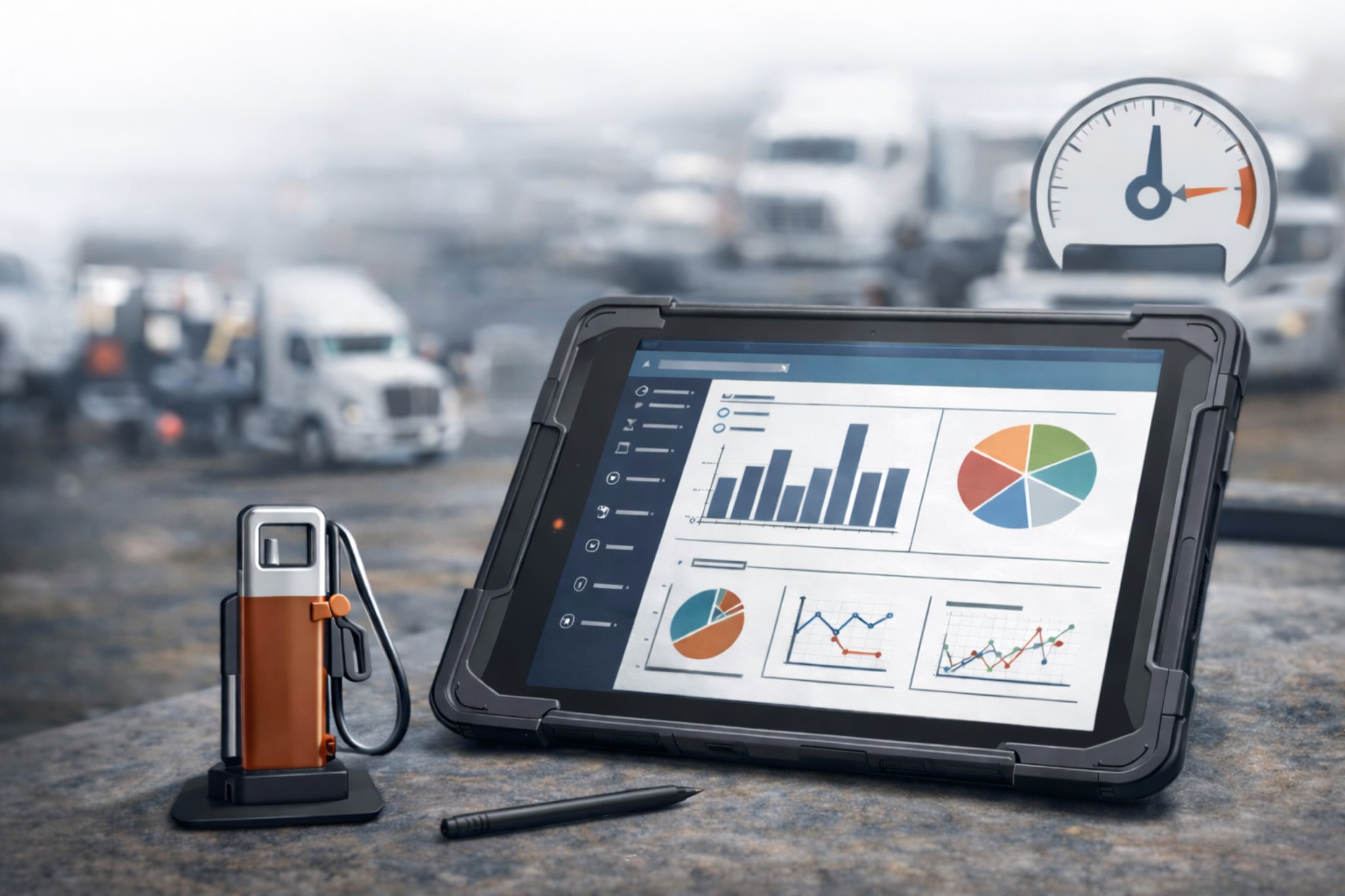
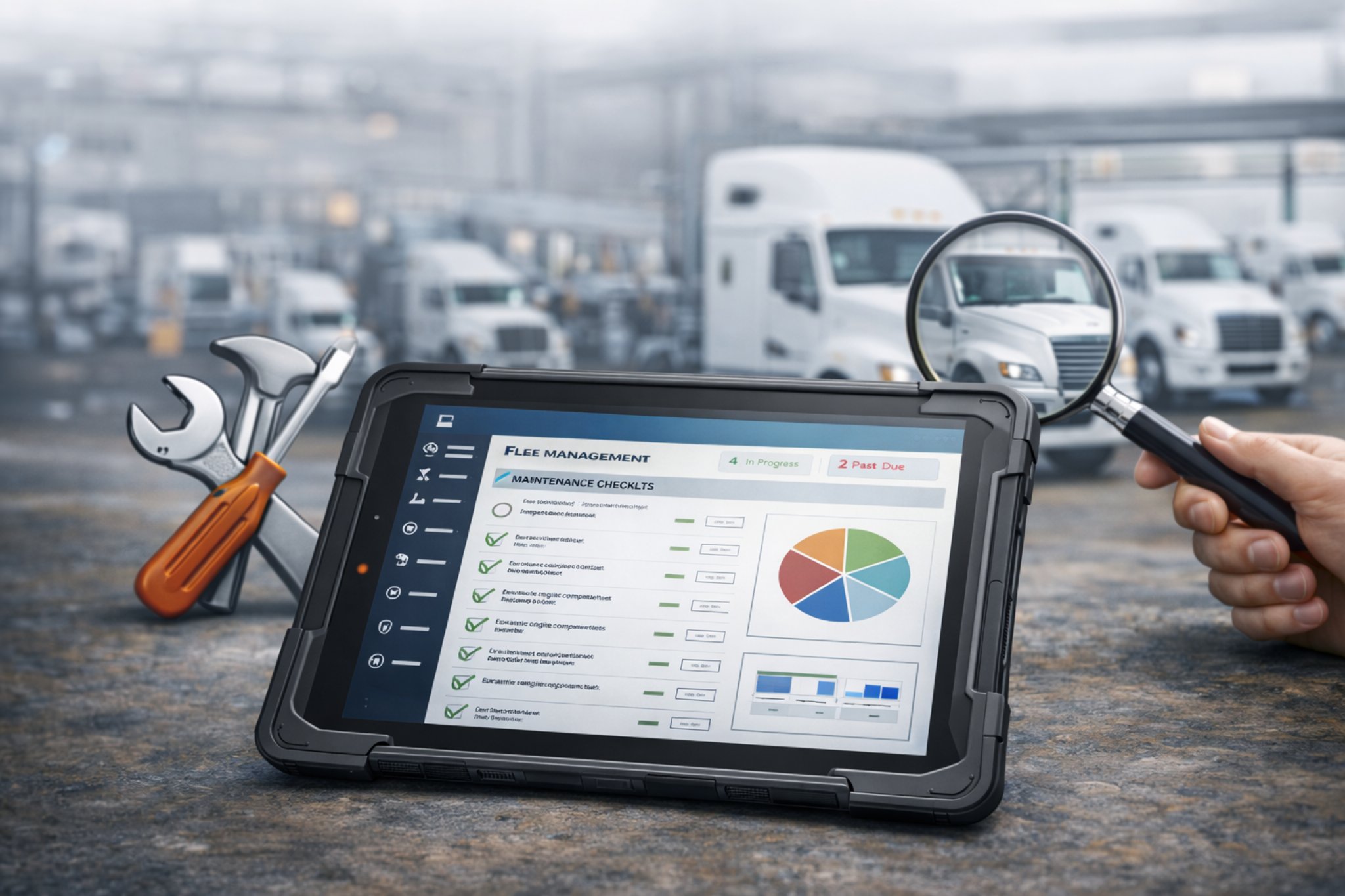
Operational Practices That Improve Efficiency
Day-to-day management discipline has a direct impact on overall fleet performance. Standardized procedures reduce variability and help teams act consistently across locations or shifts.
- Establish preventive maintenance schedules tied to OEM guidance.
- Implement daily or weekly inspection routines.
- Define driver reporting protocols for defects and incidents.
- Standardize parts inventory and reorder thresholds.
- Conduct periodic performance reviews using fleet KPIs.
Outcome Focus
- Reduced emergency repairs.
- Improved vehicle availability.
- Better accountability across teams.
Technology and Data Systems in Fleet Efficiency
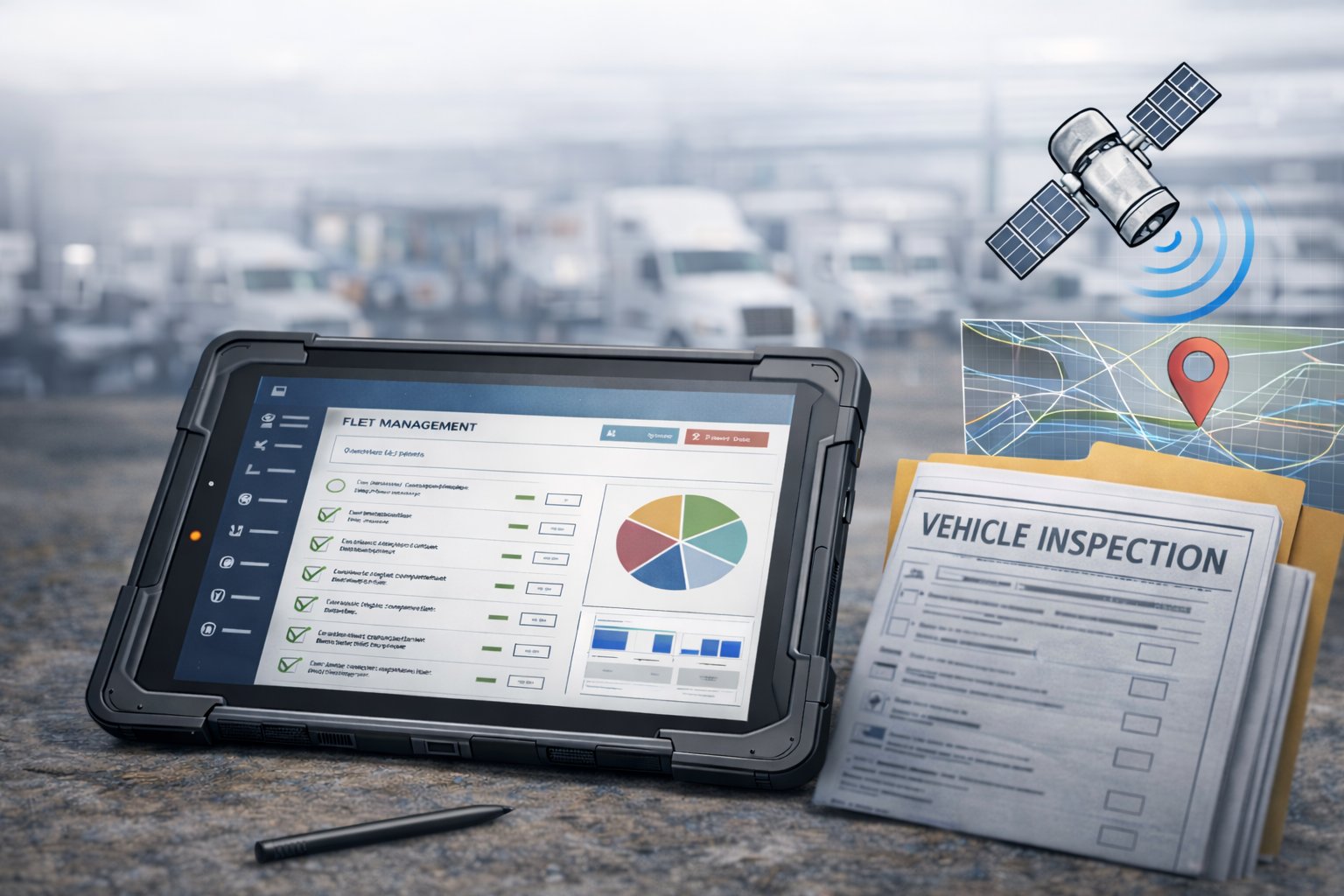
Digital systems centralize information that would otherwise be fragmented across spreadsheets, paper logs, or disconnected tools. Consolidated data improves accuracy and response speed.
- Automated service reminders based on mileage or time.
- Centralized vehicle service history records.
- Real-time GPS and utilization visibility.
- Digital inspection checklists with audit trails.
- Dashboard reporting for cost and performance trends.
Outcome Focus
- Faster decision cycles.
- Reduced administrative overhead.
- Improved cross-team coordination.
Final Takeaways
Fleet efficiency is not achieved through a single initiative but through continuous measurement, disciplined processes, and accurate data systems.
- Track utilization, downtime, and cost-per-mile consistently.
- Prioritize preventive maintenance over reactive repairs.
- Standardize inspections and reporting procedures.
- Use centralized digital records to reduce data gaps.
- Review performance metrics regularly and adjust policies accordingly.
AUTOsist Fleet Management Resources

Fleet manager guide

Fleet optimization guide
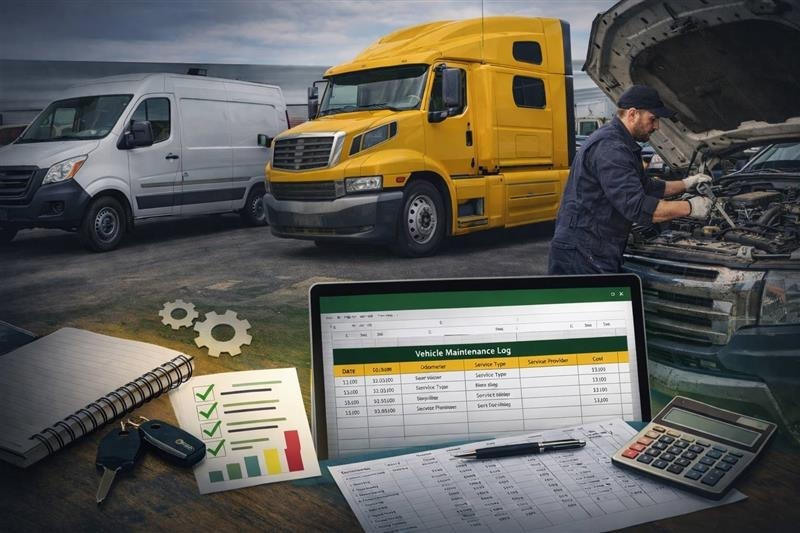
Free vehicle maintenance log template
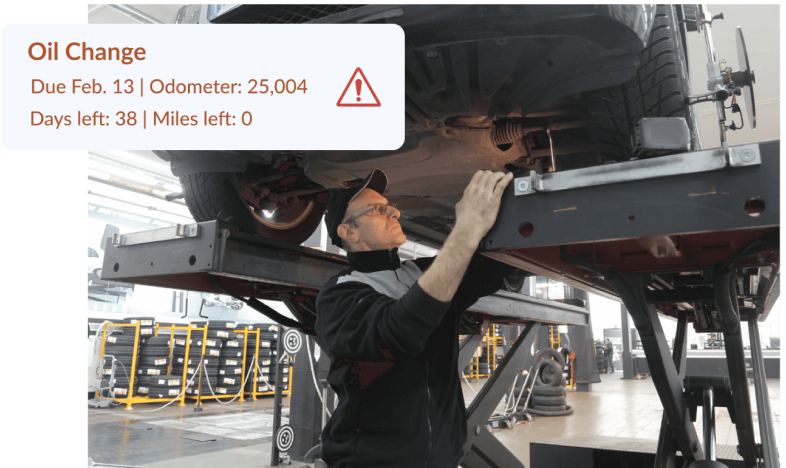
Fleet preventive maintenance schedules and reminders