 Miya Bholat
Jun 05, 2026
Fleet Performance Problems That Start With Process Gaps

Many fleet performance problems start long before a vehicle breaks down or a driver misses a deadline. In most cases, poor performance is the result of inconsistent inspections, missed maintenance, weak communication, or incomplete records. Strong fleet performance management depends on reliable processes that help managers identify issues early, make better decisions, and keep vehicles productive. This is especially important for organizations managing complex operations such as public works fleet operations where small process failures can quickly affect service delivery.
When the same problems keep appearing across vehicles, drivers, or departments, the issue is usually not the equipment itself. It is often a gap in how work gets documented, communicated, scheduled, or reviewed. Closing those gaps creates more consistent performance without requiring major operational changes.
Key Takeaways
-
Most fleet performance issues start as process failures, not vehicle failures.
Missing inspections, poor communication, and inconsistent maintenance create recurring problems. -
Small process gaps become expensive over time.
A missed inspection can lead to downtime, emergency repairs, and lost productivity. -
Reactive maintenance costs more than planned maintenance.
Fleets that rely on repairs after failures often face higher repair costs and more vehicle downtime. -
Poor record keeping makes performance improvement difficult.
Without accurate data, managers cannot identify trends or make informed decisions. -
Standardized workflows improve consistency.
Clear inspection, maintenance, and reporting procedures reduce variability across the fleet. -
Software works best when it supports strong processes.
Technology helps enforce accountability, visibility, and consistency.
When Your Fleet Underperforms, Look at the Process First
A truck breaks down for the third time this year. Fuel costs continue rising despite no increase in mileage. Drivers keep receiving violations for issues that should have been caught earlier.
Many managers initially blame the vehicle, the driver, or rising operating costs. The real problem often sits somewhere else. A missing inspection process, inconsistent maintenance planning, or poor communication may have allowed the issue to grow unnoticed.
Organizations that focus on fleet optimization strategies often discover that operational performance improves significantly once they address process weaknesses rather than chasing individual incidents.
The Most Common Process Gaps Costing Fleets Right Now
No Standardized Inspection Routine
When drivers complete inspections differently or skip them entirely, small problems remain hidden.
A worn tire, leaking hose, or damaged light may cost less than $100 to address during an inspection. If ignored, that same issue can contribute to roadside breakdowns costing thousands in repairs, towing, and lost productivity.
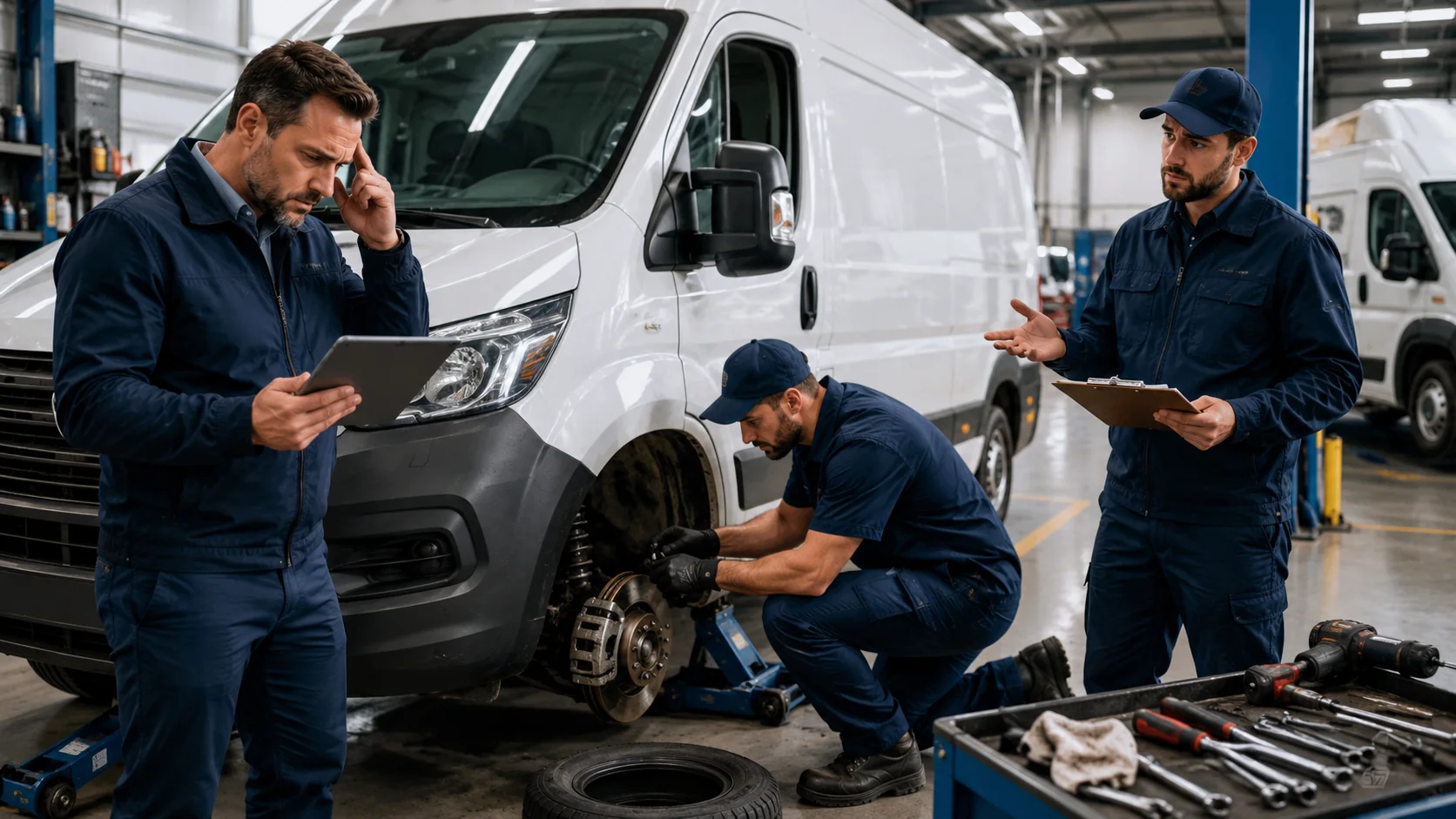
Digital inspection processes supported by a vehicle inspection reporting system help ensure inspections happen consistently across the fleet.
Reactive Maintenance Instead of a Scheduled System
Many fleets still wait until something breaks before taking action.
Industry studies regularly show preventive maintenance costs significantly less than emergency repairs. Unplanned repairs often include towing expenses, overtime labor, vehicle downtime, and schedule disruptions.
A structured preventive maintenance scheduling program helps managers address issues before they become major failures.
Disconnected Communication Between Drivers and Managers
Drivers often notice vehicle problems first. The challenge is making sure that information reaches the right person and receives follow up.
Without a documented reporting process, problems may be communicated verbally, forgotten, or delayed. Many organizations attempting to improve fleet management performance find communication breakdowns as one of their largest operational obstacles.
Incomplete or Inconsistent Record Keeping
Scattered spreadsheets, paper files, and email chains create blind spots.
Without accurate records, managers struggle to:
- Identify recurring failures
- Forecast maintenance budgets
- Track compliance activities
- Measure vehicle performance
Maintaining a centralized vehicle service history system creates visibility that supports better decisions.
How Process Gaps Turn Into Performance Crises With Real Numbers
Consider a fleet operating 30 vehicles.
If just one vehicle misses an inspection and develops a brake issue, the financial impact can escalate quickly.
| Cost Category | Estimated Cost |
|---|---|
| Emergency repair | $1,500 |
| Towing | $500 |
| Driver downtime | $300 |
| Missed service work | $700 |
| Administrative impact | $200 |
| Total | $3,200 |
Now imagine four similar incidents per year.
| Annual Impact | Cost |
|---|---|
| Four preventable failures | $12,800 |
| Additional downtime | Increased |
| Reduced utilization | Increased |
| Compliance risk | Increased |
The workflow often looks like this:
Missed Inspection → Undetected Issue → Vehicle Failure → Emergency Repair → Downtime → Higher Costs → Reduced Performance
Many of these problems can be identified earlier through fleet performance monitoring practices and regular operational reviews.
Warning Signs Your Fleet Has a Process Problem
The following indicators often point to process weaknesses rather than isolated incidents:
- Recurring breakdowns on the same vehicles despite repairs
- Large maintenance cost differences between similar vehicles
- Drivers reporting issues verbally without documented follow up
- Compliance deadlines frequently approaching at the last minute
- No clear visibility into total vehicle operating costs
- Maintenance decisions based on memory instead of documented data
If several of these signs sound familiar, the underlying issue likely involves process consistency rather than equipment quality.
How to Close Fleet Process Gaps Without Rebuilding Everything
Start With a Process Audit
Begin by reviewing how inspections, maintenance, repairs, and reporting currently work.
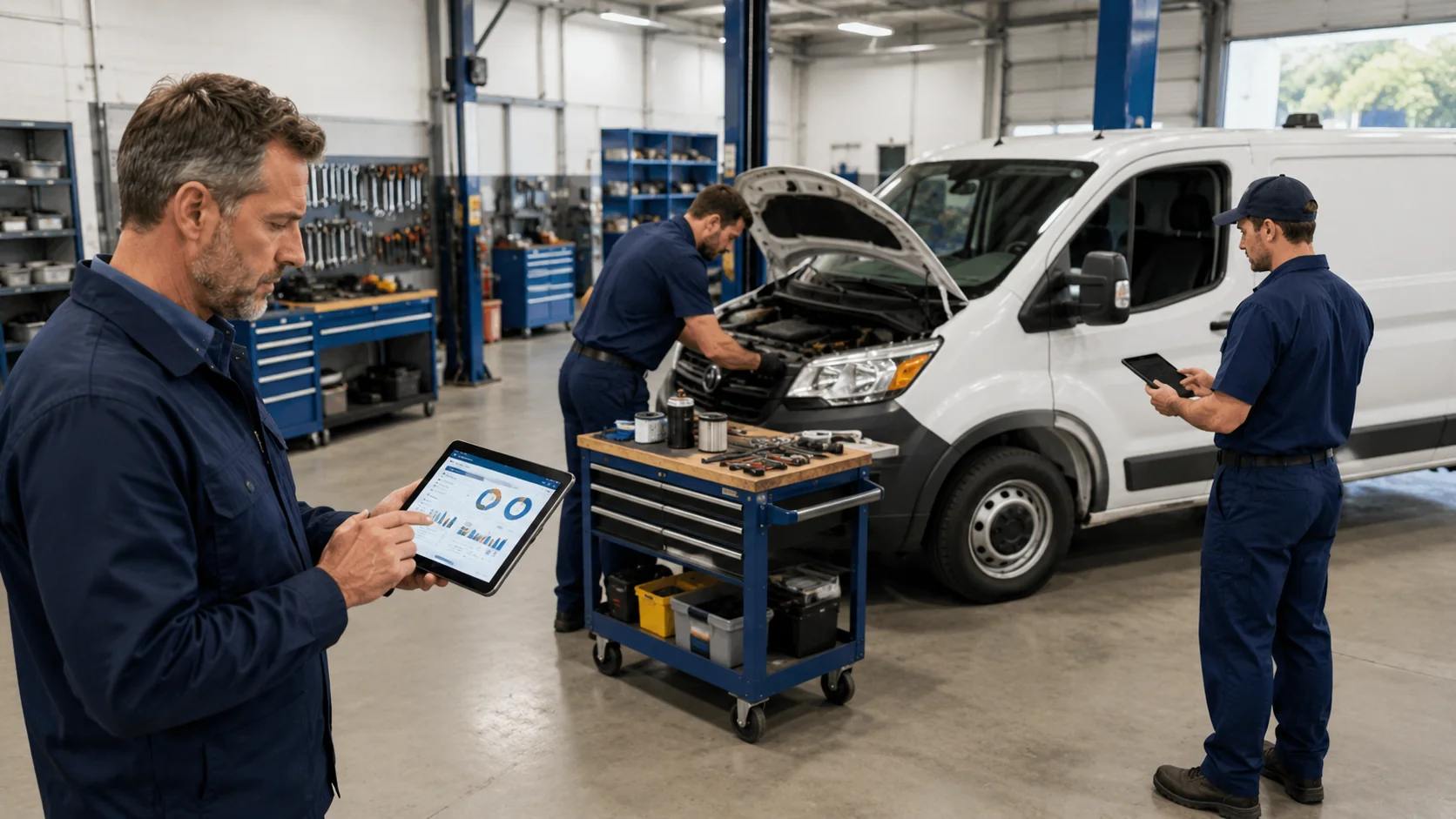
Ask three simple questions:
- Does the process exist?
- Is it documented?
- Is it consistently followed?
This approach quickly reveals operational gaps.
Standardize Your Inspection and Maintenance Workflows
Consistency drives performance.
Organizations working to standardize fleet operations across locations often start with simple checklists and documented maintenance procedures.
Even basic workflows reduce missed tasks and improve accountability.
Build a Centralized System for Logging and Tracking
Scattered information creates operational risk.
Centralized records support:
- Trend identification
- Budget forecasting
- Compliance preparation
- Performance analysis
Many fleets use fleet reports and performance dashboards to turn maintenance and operational data into actionable insights.
Create Accountability With Clear Roles
Process ownership matters.
Every inspection, maintenance review, repair approval, and compliance task should have a clearly assigned owner. When responsibility remains unclear, process gaps tend to persist.
Where Fleet Management Software Fits Into Process Improvement
Software does not replace process. It strengthens process.
For example, a manager can establish an inspection policy, but software helps ensure inspections actually happen. A maintenance plan may exist on paper, but a digital system helps track upcoming service requirements and overdue work.
AUTOsist supports process improvement through tools such as digital inspections, preventive maintenance scheduling, work order tracking, service history management, and centralized reporting. Features like fleet maintenance work order management help ensure reported issues move through a documented workflow rather than getting lost in emails or conversations.
Organizations focused on fleet management automation opportunities often achieve better results because routine tasks become more consistent and easier to track.
Building a Process First Fleet Culture
The highest performing fleets are not always operating the newest vehicles or spending the most money.
They consistently follow processes.
Drivers complete inspections because they understand their value. Managers review performance data regularly. Maintenance teams document work accurately. Leadership supports continuous improvement instead of reacting only when problems occur.
Over time, this discipline creates better uptime, lower costs, stronger compliance, and more predictable fleet performance.
Frequently Asked Questions
-
Why does my fleet keep experiencing the same breakdowns?
Recurring breakdowns often indicate a process problem rather than a vehicle problem. Missed inspections, inconsistent maintenance schedules, poor repair documentation, or incomplete service records can allow the same issues to return repeatedly. -
What are the most common process gaps in fleet management?
The most common process gaps include inconsistent vehicle inspections, reactive maintenance, poor communication between drivers and managers, incomplete service records, and missed compliance activities. These gaps often lead to higher costs, more downtime, and lower fleet performance. -
How can I identify process problems in my fleet?
Look for warning signs such as recurring repairs, missed maintenance deadlines, inconsistent costs across similar vehicles, verbal issue reporting with no tracking system, and difficulty measuring vehicle performance. These patterns often point to broken or missing processes. -
How much can poor fleet processes affect operating costs?
Poor processes can significantly increase costs through emergency repairs, vehicle downtime, compliance violations, lost driver productivity, and inefficient maintenance planning. Even a single preventable breakdown can cost thousands of dollars when all related expenses are considered. -
How does fleet management software help improve fleet performance?
Fleet management software helps standardize inspections, automate maintenance scheduling, centralize service records, track work orders, and improve reporting. While software cannot replace good processes, it helps enforce them consistently across the fleet.