 Miya Bholat
Mar 03, 2026
Fleet Safety Best Practices: A Practical Guide to Reducing Risk, Costs, and Liability
Fleet safety isn't just about avoiding tickets. It's about protecting people, preserving your reputation, and controlling one of the largest financial risks in your operation.
Accidents don't just damage vehicles. They trigger lawsuits, insurance hikes, compliance audits, and lost productivity. The fleets that treat safety as a core operating system — not a checklist — consistently outperform those that treat it as an afterthought.
Let's break down what actually works.
Key Takeaways: Building a Fleet Safety Culture That Lasts
- Safety failures are financially catastrophic. A single serious accident can trigger years of increased insurance and legal exposure.
- Policies must be specific and enforceable. Clear rules and consistent accountability drive compliance.
- Hiring standards determine long-term risk. Strong screening prevents preventable claims.
- Preventive maintenance protects both vehicles and liability exposure. Documented service history is operational insurance.
- Driver behavior data should be used for coaching, not punishment. Improvement comes from feedback loops, not fear.
- Incident analysis prevents repeat accidents. Root cause investigations turn setbacks into system improvements.
- Training must be ongoing and data-driven. Safety culture fades without reinforcement.
The Real Cost of Fleet Safety Failures (And Why Most Companies Underestimate It)
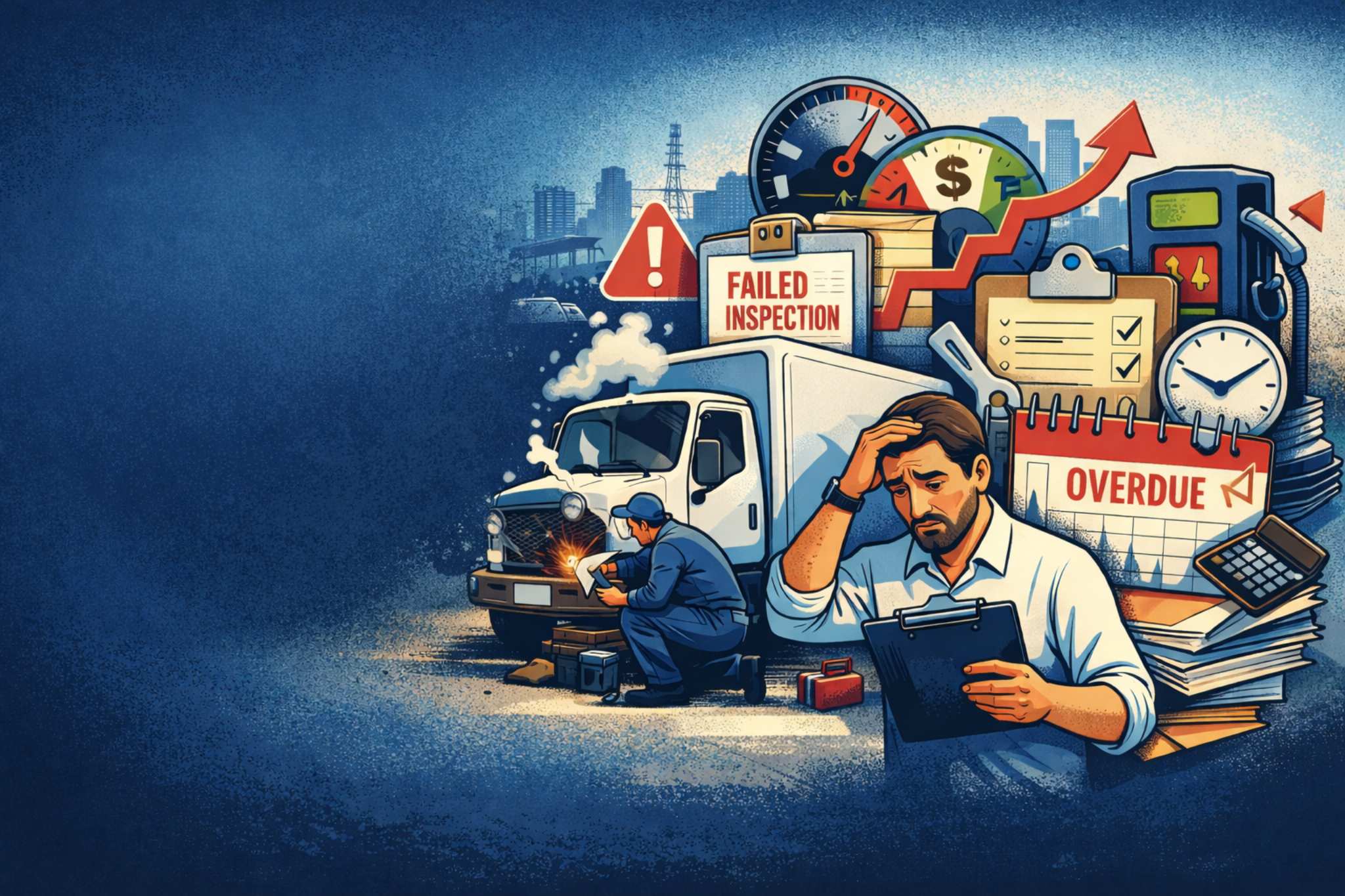
A single fleet accident can cost far more than the visible repair bill.
According to FMCSA and industry insurance data, the average commercial vehicle crash involving injury can exceed $70,000. If a fatality is involved, total costs can climb into the millions when legal settlements and lost productivity are included.
Most fleets underestimate the ripple effect, which often includes:
- Vehicle downtime and rental replacement costs
- Increased insurance premiums for 3–5 years
- Legal fees and liability exposure
- OSHA or DOT scrutiny
- Lost contracts due to safety rating drops
Insurance carriers increasingly use CSA scores and telematics data when underwriting policies. Poor safety performance can quietly inflate premiums year after year.
If you want a deeper breakdown of risk exposure and operational controls, AUTOsist's fleet safety guide for fleet operations provides additional context around compliance and prevention frameworks.
The takeaway? Safety failures compound. Prevention scales.
Build a Fleet Safety Policy That Drivers Actually Follow
Policies that sit in a binder don't prevent accidents. Policies that drivers understand, sign, and see enforced consistently do.
What a Strong Fleet Safety Policy Must Include
A fleet safety policy must be specific, enforceable, and easy to reference. At minimum, it should clearly outline:
- Acceptable and prohibited driving behaviors (speeding, phone use, seatbelt compliance)
- Pre-trip and post-trip inspection requirements
- Accident and near-miss reporting procedures
- Maintenance reporting responsibilities
- Disciplinary consequences for violations
Ambiguity creates loopholes. If a rule isn't measurable, it's difficult to enforce.
Inspection expectations should align with formal vehicle inspection procedures like those outlined in this vehicle inspection guide. When drivers know exactly what is required, compliance improves dramatically.
Getting Driver Buy-In From Day One
Driver onboarding is where safety culture is either built or undermined.
Effective fleets:
- Review safety policy during orientation
- Require written acknowledgment and annual re-signing
- Reinforce expectations in toolbox talks
- Tie safety performance to incentives or recognition
When safety expectations are visible and consistent, they stop feeling optional.
Driver Screening and Ongoing Qualification Standards
Hiring the wrong driver is one of the most expensive mistakes a fleet can make.
Minimum screening should include:
- Motor Vehicle Record (MVR) checks
- Verification of CDL and endorsements
- Employment history review
- Drug and alcohol testing compliance
But screening shouldn't stop at hiring. Many fleets rescreen drivers annually or biannually, especially in high-risk industries.
Watch for disqualifying patterns such as:
- Repeated speeding violations
- DUI history
- Excessive preventable accidents
- Suspended or revoked licenses
Safety culture starts with hiring standards. If you lower the bar to fill seats, you'll pay for it later in claims.
Preventive Vehicle Maintenance as a Safety Strategy
Mechanical failure contributes to thousands of commercial vehicle crashes each year. Brake issues, tire blowouts, steering defects — many are preventable.
Reactive maintenance is not just inefficient. It's a liability.
A proactive maintenance safety program should include:
- Scheduled service intervals based on OEM recommendations
- Documented brake and tire inspections
- Routine fluid and steering system checks
- Digital service records for audit protection
Following a structured preventative maintenance guide for fleet operations helps standardize intervals and reduce missed service events.
The Role of Digital Maintenance Tracking
Manual spreadsheets and paper logs break down quickly as fleets grow.
Digital systems allow fleet managers to:
- Automate service reminders
- Track vehicle service history in real time
- Log inspection records instantly
- Flag overdue maintenance before it becomes a failure
AUTOsist's fleet preventive maintenance schedules feature centralizes service tracking, ensuring no vehicle falls through the cracks. When maintenance visibility improves, breakdown risk decreases — and that directly impacts safety outcomes.
Driver Behavior Monitoring and Coaching
Technology has transformed fleet safety.
Modern telematics systems can track:
- Speeding incidents
- Hard braking and rapid acceleration
- Excessive idling
- Route deviations
- Seatbelt usage
The key is how you use the data.
Punitive monitoring creates resentment. Coaching-focused monitoring creates improvement.
High-performing fleets:
- Review behavior data weekly or monthly
- Conduct one-on-one coaching sessions
- Reward improved safety scores
- Use dashboards for transparency
Integrated systems like GPS fleet tracking and telematics allow fleet managers to combine location tracking with maintenance and driver data for a full operational picture.
The goal isn't surveillance. It's behavior change.
Incident Reporting, Investigation, and Corrective Action
Accidents will happen. How you respond determines whether they repeat.
After an incident, fleets should:
- Ensure immediate medical and emergency response
- Document the scene with photos and driver statements
- Preserve telematics and dash cam data
- Report to insurance and regulatory bodies as required
But the real value comes from root cause analysis.
Ask:
- Was the driver fatigued?
- Was maintenance overdue?
- Were policies unclear?
- Was training insufficient?
Near-miss reporting is equally important. Many serious accidents are preceded by smaller warning events.
Fleets that document and analyze every incident reduce repeat events dramatically.
Driver Training Programs That Actually Reduce Risk
Training is often treated as a one-time event. That's a mistake.
Initial Training vs. Ongoing Safety Education
Onboarding training should cover:
- Defensive driving principles
- Hours-of-service compliance
- Distracted driving prevention
- Load securement standards
- Emergency procedures
But ongoing refreshers are just as important.
Quarterly or biannual safety sessions keep awareness high and prevent complacency.
Using Data to Personalize Training
Blanket training wastes time. Data-driven training saves it.
If telematics shows a driver with repeated hard braking events, focus coaching on safe following distances. If another driver struggles with idle time or speeding, tailor the training accordingly.
Personalized coaching improves outcomes because it targets behavior, not theory.
Fleet safety isn't built in a meeting. It's built in daily habits, consistent enforcement, and transparent accountability. The fleets that treat safety as a system — not a slogan — protect their drivers, their reputation, and their bottom line for the long haul.