 Miya Bholat
Mar 16, 2026
Fuel Cost Control for Fleets: Strategies That Actually Move the Needle
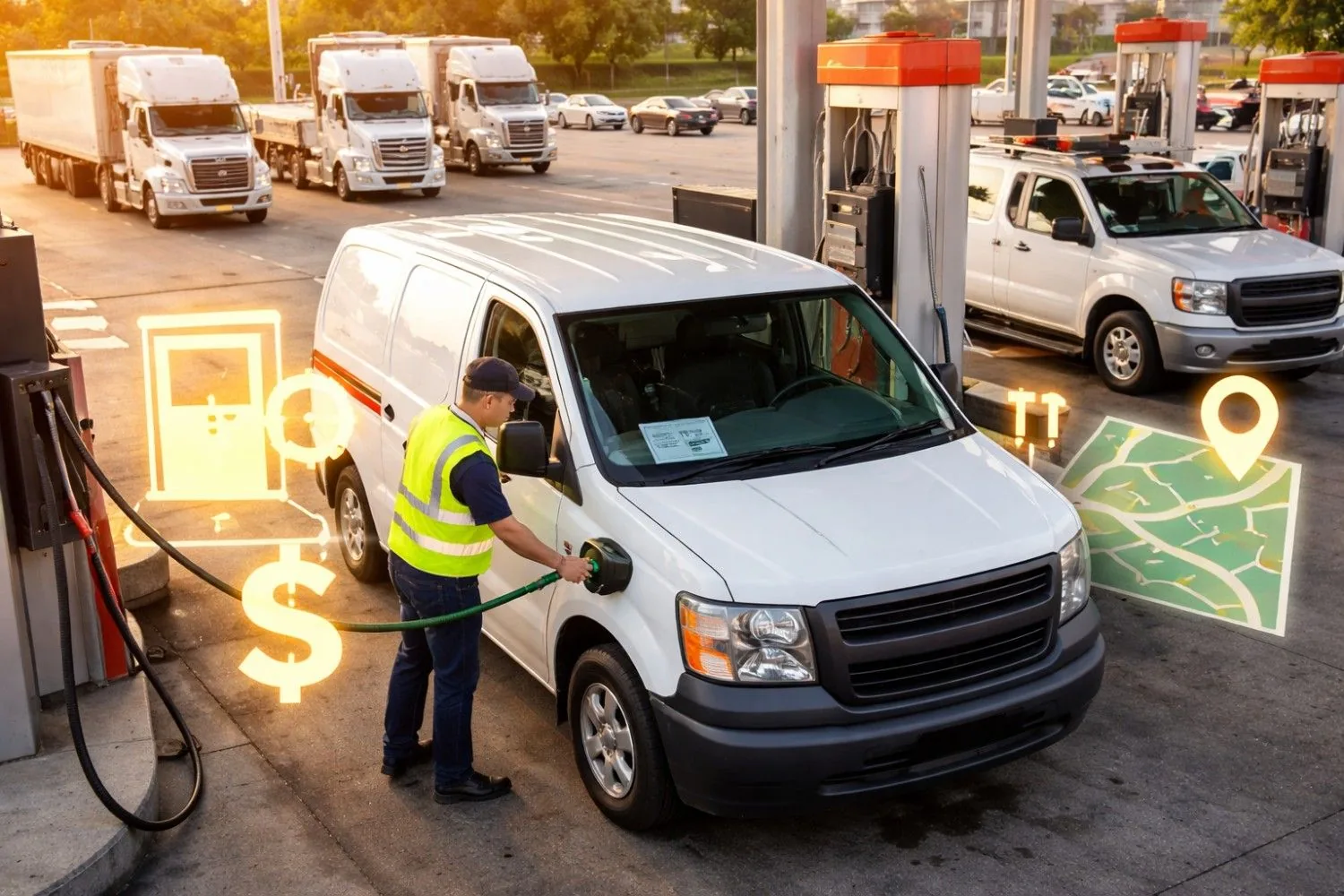
Fuel cost control for fleets comes down to understanding where fuel waste actually happens and fixing the operational problems causing it. Most fleets lose fuel efficiency through excessive idling, inefficient dispatching, inconsistent driving habits, delayed maintenance, and poor visibility into fuel usage trends rather than fuel prices alone. A centralized fleet fuel management helps fleet managers track fuel consumption across vehicles, drivers, and routes so they can identify unnecessary fuel spend earlier and make more accurate operational decisions.
For many fleets, fuel represents one of the largest day to day operating expenses, which means even small inefficiencies scale quickly across the business. Fleets that combine fuel tracking, preventive maintenance, driver coaching, and route optimization usually gain better control over fuel spending because they can identify operational waste before it becomes a larger financial problem. Effective fuel cost control is not about reducing fleet activity. It is about making fuel usage measurable, visible, and easier to improve continuously.
Key Takeaways: Taking Control of Fleet Fuel Costs
- Fuel is your fleet's largest variable expense. For many operations it represents up to 40% of operating costs, making it one of the fastest ways to improve overall profitability.
- Most fuel waste is operational, not price-driven. Idle time, aggressive driving, inefficient routes, and poor maintenance often create more fuel waste than pump prices.
- Fuel tracking is the foundation of cost control. Monitoring fuel tracking per vehicle, per mile, and per driver reveals patterns that would otherwise remain hidden.
- Driver coaching improves efficiency without conflict. When drivers understand fuel data and benchmarks, they can improve habits that significantly reduce fuel consumption.
- Preventive maintenance protects fuel economy. Tires, filters, engine components, and alignment all affect fuel efficiency, making maintenance a direct cost control strategy.
- Better dispatching reduces unnecessary fuel burn. Optimized routing and real-time vehicle tracking eliminate wasted mileage and reduce idle time across the fleet.
- Data-driven management produces measurable savings. When fleets combine fuel tracking, maintenance data, and driver insights, fuel cost control becomes a continuous improvement process rather than a reactive expense.
Why Fuel Costs Are Bleeding Fleet Budgets Right Now
Fleet fuel costs have become harder to manage for several reasons. Global price volatility, inflation, and shifting supply chains have increased the financial pressure on transportation and service fleets alike.
At the same time, operational inefficiencies compound these rising costs.
Several trends are pushing fleet fuel expenses higher:
- Fuel price volatility makes budgeting difficult
- Delivery and service demand increases vehicle miles traveled
- Urban congestion increases idle time
- Driver turnover reduces consistency in driving habits
- Aging vehicles often operate with reduced fuel efficiency
When fleets don't track fuel performance closely, these issues stack up quietly. By the time managers notice rising expenses, the underlying problems may already be deeply embedded in operations.
The good news is that most fuel waste is operationally controllable in fleet operations.
Understanding Where Your Fuel Money Actually Goes
Fuel spend isn't just about the price per gallon. A fleet's total fuel expense is influenced by how vehicles are driven, maintained, and dispatched.
In most operations, fuel waste usually falls into a few predictable categories.
The biggest contributors typically include:
- Excessive engine idle time
- Aggressive driving behaviour
- Inefficient routing or dispatch decisions
- Unauthorized fuel purchases
- Poor vehicle maintenance affecting engine efficiency
Understanding these factors allows fleet managers to move from guessing to targeted cost control.
Why Idle Time Creates Unnecessary Fuel Waste
Idle time is one of the most common sources of fuel waste in fleet operations because vehicles continue consuming fuel while generating no productive movement.
Even short periods of unnecessary idling during deliveries, dispatch delays, traffic congestion, or job site waiting periods create significant fuel costs when multiplied across an entire fleet.
For example, if a single vehicle wastes about two hours idling each workday, the annual fuel loss can quickly reach thousands of dollars. Across larger fleets, these costs scale rapidly without becoming immediately visible through standard fuel reports.
Many fleets reduce idle related fuel waste by using fuel tracking dashboards, route planning improvements, and driver coaching programs that identify vehicles with excessive idle patterns.
An online fuel management system helps fleet managers monitor idle time trends alongside fuel consumption data so operational inefficiencies can be corrected faster before they increase long term fuel expenses.
How Driver Behavior Impacts Fleet Fuel Efficiency
Driver behavior has a direct impact on fuel consumption because small driving habits repeated daily across the fleet create major operational costs over time.
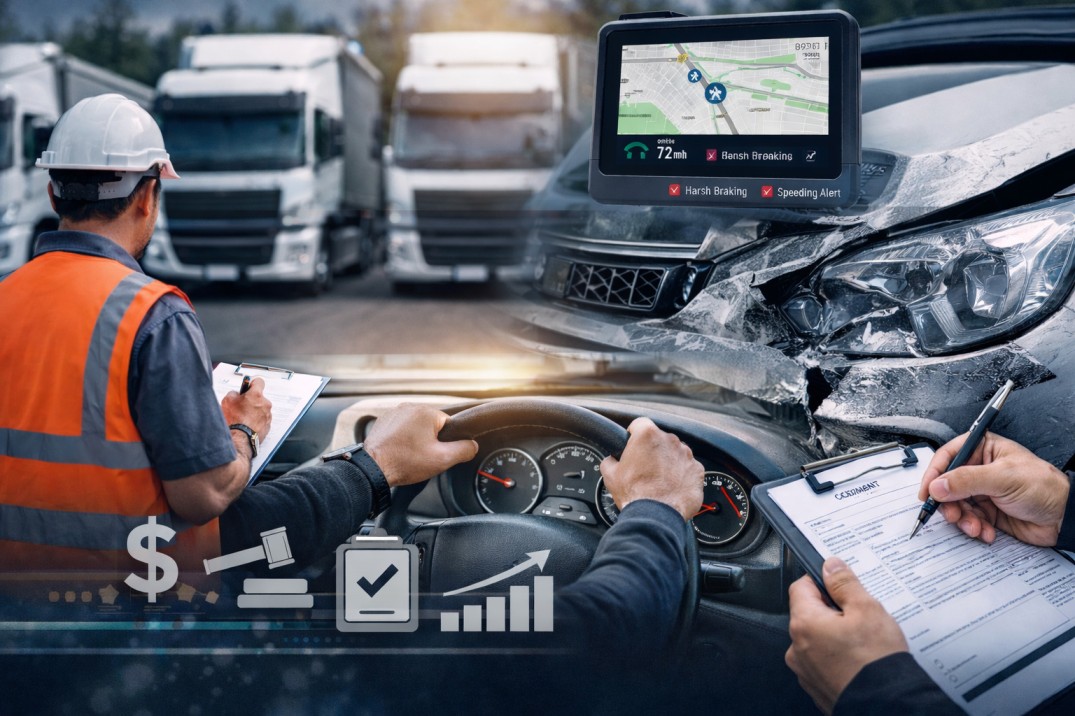
Rapid acceleration, excessive speeding, harsh braking, inconsistent cruise speeds, and unnecessary idling all force vehicles to consume more fuel during normal operations. Without visibility into these patterns, fleets often struggle to understand why fuel costs continue rising even when routes and fuel prices remain stable.
Modern fuel tracking systems allow fleet managers to monitor driver related fuel trends using MPG reporting, idle time data, route performance metrics, and telematics insights. This makes driver coaching more objective because conversations are based on measurable operational data rather than assumptions.
Fleets that follow stronger fuel management best practices often create driver benchmarks around fuel efficiency, idle reduction, and route performance to improve long term operational consistency.
Many operations also use performance dashboards and reporting tools to identify drivers consistently operating vehicles more efficiently than others. These insights help fleet managers improve coaching, standardize fuel efficient driving habits, and reduce unnecessary fuel waste across the fleet over time.
Fuel Card Misuse and Unauthorized Fill-Ups
Fuel cards simplify purchasing, but they also introduce risk.
Unauthorized transactions can happen through:
- Non-fleet vehicles using company cards
- Personal fuel purchases disguised as fleet expenses
- Duplicate transactions or card sharing
- Fuel purchases outside authorized locations
Without centralized reporting, these activities can go unnoticed.
Fleet fuel tracking system — such as fleet fuel management and tracking software — help managers match fuel purchases to specific vehicles, drivers, and mileage logs, reducing the likelihood of fraud or misuse.
Setting a Fuel Budget That's Actually Based on Data
Many fleets still set fuel budgets using rough estimates. This approach leads to either unrealistic expectations or hidden overspending.
A better approach uses historical fleet data.
Fleet managers can build realistic fuel budgets by analyzing:
- Average MPG per vehicle
- Typical route distance
- Seasonal demand fluctuations
- Fuel price averages
- Vehicle type and load weight
A simple budgeting model might look like this:
Example calculation
A service van averages 14 MPG and drives 22,000 miles per year.
Fuel usage:
22,000 ÷ 14 = 1,571 gallons annually
If fuel averages $3.90 per gallon, the annual fuel budget becomes:
1,571 × $3.90 = $6,127 per vehicle per year
Multiply this across the fleet and you have a baseline fuel budget grounded in real numbers.
Without data, fuel budgets are simply guesses.
Fuel Tracking: The Foundation of Cost Control
Fuel cost control starts with visibility.
If fleet managers cannot see fuel consumption patterns, they cannot identify where waste occurs.
A proper fuel tracking system typically measures:
- Fuel cost per mile
- Miles per gallon per vehicle
- Idle time
- Fuel purchase frequency
- Route fuel consumption differences
When these metrics are centralized, patterns become obvious. Certain drivers may consistently outperform others, some vehicles may consume more fuel than expected, and specific routes may reveal inefficiencies.
Fleet management platforms can centralize these metrics using dashboards and reporting tools like fleet reports and dashboard, allowing managers to monitor fuel trends across vehicles and time periods.
Why Centralized Fuel Visibility Improves Cost Control
Many fleets still manage fuel expenses through spreadsheets, receipts, or disconnected fuel card systems. This makes it difficult to identify operational inefficiencies, compare vehicle performance, or detect abnormal fuel usage patterns before costs increase significantly.
A centralized online fuel management system allows fleet managers to monitor fuel activity across vehicles, drivers, and routes from one place. Instead of manually reviewing fuel purchases, managers can identify idle time trends, MPG changes, inconsistent fueling behavior, and unusual consumption patterns through automated reporting and dashboards.
This visibility becomes more valuable as fleets grow because operational inefficiencies become harder to detect manually. Managers can quickly identify which vehicles consume more fuel than expected, which routes create excessive fuel burn, and where fuel related operational problems are developing.
Fleets that follow stronger fuel management best practices often improve budgeting accuracy and operational planning because fuel decisions become based on measurable operational trends instead of assumptions. When fuel data becomes centralized and easier to analyze, cost control becomes a continuous operational process instead of a reactive response to rising expenses.
Driver Coaching and Fuel-Efficient Driving Practices
Fuel monitoring should never feel like surveillance. The goal is to help drivers succeed, not punish them.
When fuel data becomes visible, fleet managers can coach drivers toward more efficient habits.
Some of the most impactful driving practices include:
- Maintaining consistent speeds instead of rapid acceleration
- Reducing unnecessary idling during stops
- Using cruise control where appropriate
- Planning stops to avoid frequent braking
- Avoiding excessive highway speeds
Drivers often respond positively when they understand how their behavior affects fleet performance.
Setting Benchmarks and Recognizing Improvement
Coaching works best when it focuses on measurable improvement rather than criticism.
Fleet managers can establish benchmarks such as:
- Expected MPG ranges per vehicle type
- Acceptable idle time thresholds
- Fuel cost per mile targets
- Monthly improvement goals
When drivers see their progress reflected in performance reports, fuel efficiency becomes a shared operational goal rather than a top-down directive.
Recognition programs or incentives can reinforce these improvements.
How Preventive Maintenance Directly Impacts Fuel Economy
Vehicle condition plays a major role in fuel consumption.
Small maintenance issues often reduce fuel efficiency without drivers noticing.
Common maintenance problems that increase fuel usage include:
- Underinflated tires
- Dirty air filters
- Worn spark plugs
- Misaligned wheels
- Engine sensor problems
Even a small drop in efficiency can create large expenses across an entire fleet.
For example, if tire pressure reduces fuel efficiency by just 3%, a fleet spending $400,000 annually on fuel could lose $12,000 per year unnecessarily.
Preventive maintenance programs help eliminate these inefficiencies.
Fleet maintenance platforms help track service intervals and ensure vehicles receive timely repairs through systems like fleet preventive maintenance schedules.
When maintenance schedules are automated and visible, fleets avoid many of the hidden costs tied to neglected vehicles.
How Delayed Repairs Increase Fuel Waste
Fuel efficiency problems are not always caused by routing decisions or driving habits. In many fleets, delayed repairs and unresolved maintenance issues quietly increase fuel consumption over long periods without becoming immediately visible.
Vehicles operating with worn components often consume more fuel during normal operations. Dirty air filters, worn tires, damaged sensors, alignment issues, and aging engine components all reduce fuel efficiency and increase operating costs. When repairs are delayed, these inefficiencies continue affecting fuel consumption every day the vehicle remains active.
Strong fleet parts inventory management processes help fleets reduce repair delays by ensuring commonly used replacement parts remain available before vehicle performance declines further.
Fleets that focus on reducing fleet fuel costs through operational efficiency often discover that maintenance response times directly affect long term fuel performance. Vehicles that receive faster repairs and more consistent servicing usually maintain better fuel economy because unresolved mechanical issues spend less time affecting daily operations.
Route Optimization and Dispatch Decisions That Save Fuel
Fuel efficiency is not just about the vehicle or the driver. Dispatch strategy also plays a major role.
Poor route planning increases fuel usage through unnecessary mileage, congestion delays, and inefficient stop sequences.
Smart dispatch decisions focus on minimizing:
- Deadhead miles (driving without cargo or service)
- Redundant routes between vehicles
- Congested road segments
- Long idle times at customer locations
Telematics and vehicle tracking tools allow dispatchers to assign the closest vehicle to a job and monitor route efficiency in real time.
Technologies such as GPS fleet tracking and telematics provide location visibility that enables better dispatch decisions and reduces wasted fuel.
Over time, small improvements in routing create significant cost reductions.
Tracking Progress and Measuring ROI on Fuel Initiatives
Fuel management initiatives should always be measured against clear performance metrics.
Fleet managers can track progress using a small set of key indicators.
The most useful metrics include:
- Fuel cost per mile
- Average fleet MPG
- Idle time per vehicle
- Fuel spend per driver
- Route fuel consumption trends
Regular reporting helps managers identify whether changes are producing measurable improvements.
Monthly or quarterly reviews allow operations teams to adjust strategies, address new inefficiencies, and demonstrate results to leadership.
When fuel data is connected to maintenance records, route information, and driver performance, fleet managers gain a complete operational picture.
Frequently Asked Questions
-
What is the most effective way to control fleet fuel costs?
The most effective way to control fleet fuel costs is by combining fuel tracking, preventive maintenance, route optimization, and driver performance monitoring into one operational process. Fleets that centralize fuel visibility can identify waste faster and improve long term fuel efficiency across vehicles and routes. -
Why do fleet fuel costs increase even when fuel prices stay stable?
Fleet fuel costs often increase because of operational inefficiencies such as excessive idling, aggressive driving, delayed vehicle maintenance, inefficient dispatching, and poor route planning. These issues quietly increase fuel consumption over time even when fuel prices remain unchanged. -
How does preventive maintenance help reduce fuel consumption?
Preventive maintenance helps reduce fuel consumption by keeping vehicles operating efficiently. Tire pressure, engine condition, alignment, filters, and sensor performance all directly affect fuel economy. Fleets that maintain vehicles consistently usually avoid the fuel waste caused by unresolved mechanical issues. -
How can fleet managers identify fuel waste across the fleet?
Fleet managers can identify fuel waste by tracking MPG trends, idle time, route efficiency, fuel cost per mile, and driver behavior across vehicles. Using centralized reporting and fuel management software makes it easier to detect abnormal fuel usage patterns before operational costs increase significantly. -
What technologies help improve fleet fuel efficiency?
Technologies such as fleet fuel management software, GPS tracking systems, telematics platforms, preventive maintenance scheduling tools, and operational reporting dashboards help fleets improve fuel efficiency by providing better visibility into fuel usage, vehicle performance, maintenance activity, and routing efficiency.