 Miya Bholat
Feb 11, 2026
Logistics & Trucking Fleet Management: Complete Guide to Building a High-Performance Operation

Key Takeaways: Building a High-Performance Fleet Management System
- Prioritize Preventive Maintenance — Scheduled service reduces breakdowns, lowers repair costs, and extends vehicle lifespan.
- Track Data-Driven KPIs — Metrics such as cost per mile and fuel efficiency reveal opportunities for improvement.
- Invest in Drivers — Training, incentives, and safe working conditions improve retention and performance.
- Leverage Technology Platforms — Fleet management software provides real-time visibility and automation benefits.
- Control Fuel Expenses — Monitoring consumption and optimizing routes significantly reduces operational costs.
- Maintain Compliance Proactively — Automated recordkeeping and regular audits prevent costly violations.
- Adopt Continuous Improvement — Regular reviews and performance analysis keep fleets competitive and efficient.
What Is Logistics and Trucking Fleet Management?
Logistics and trucking fleet management is the coordinated process of overseeing commercial vehicles, drivers, routes, maintenance, compliance, and operating costs to ensure goods move efficiently from origin to destination. Unlike general fleet management, logistics fleets operate under tighter delivery windows, heavier vehicle usage, and stricter regulatory oversight. A trucking company may run dozens or even hundreds of vehicles across multiple states, which multiplies operational complexity quickly.
The scope of fleet management in logistics goes far beyond simply knowing where trucks are located. It includes vehicle tracking, driver management, preventive maintenance, compliance monitoring, route planning, fuel management, and performance analytics. Every one of these areas affects profit margins and customer satisfaction. For example, a delayed delivery due to a mechanical breakdown can lead to contract penalties and lost future business.
Fleet management becomes critical because trucking companies operate on thin margins. A small inefficiency multiplied across a large fleet produces significant financial impact. Consider a 50-truck fleet spending $200,000 per month on fuel. A 5% improvement in efficiency equals $10,000 saved monthly or $120,000 annually. Effective fleet management protects revenue, improves safety, and strengthens service reliability.
Core Components of Effective Fleet Management
Vehicle Acquisition and Lifecycle Management
Vehicle acquisition decisions shape long-term profitability. Choosing between leasing and purchasing, selecting the right truck class, and evaluating resale value all influence total cost of ownership. A truck that costs $15,000 less upfront may end up costing $40,000 more over five years due to higher maintenance and fuel expenses.
Fleet managers evaluate lifecycle factors such as depreciation, insurance costs, warranty coverage, and expected mileage. Replacement planning also matters. Holding onto aging trucks too long increases repair frequency and downtime, while replacing them too early wastes capital. Data-driven lifecycle management ensures the fleet remains efficient without overspending.
Preventive Maintenance and Repair Operations
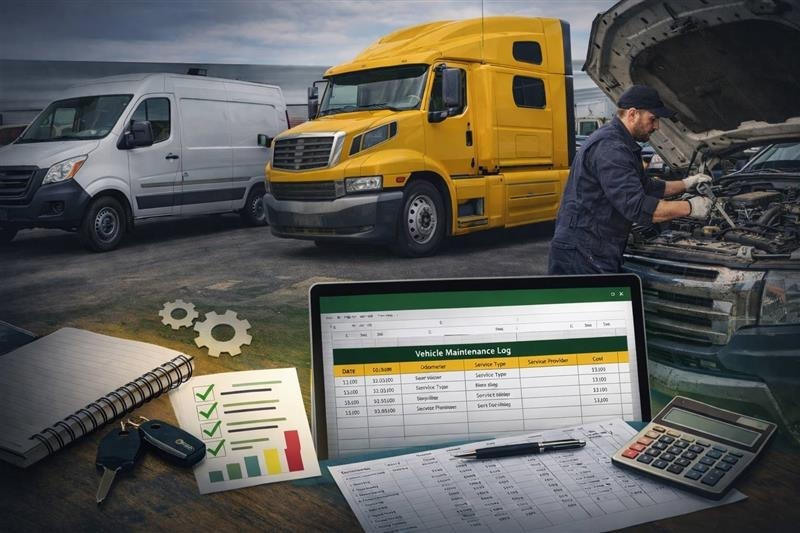
Preventive maintenance programs are the backbone of fleet reliability. Scheduled inspections, oil changes, brake checks, and tire rotations reduce unexpected breakdowns and extend asset life. Fleets that rely only on reactive maintenance often experience higher repair bills and longer vehicle downtime.
A well-structured maintenance plan includes:
- Mileage-based service intervals
- Digital inspection checklists
- Work order tracking
- Parts inventory visibility
- Service history documentation
Modern software platforms like AUTOsist help fleets automate maintenance reminders, log service records, and track repair costs in one dashboard. This level of organization prevents missed services and provides transparency across the entire operation. Many fleets also reference guides such as Fleet Vehicle Maintenance: The Complete Guide to Maximizing Uptime and Minimizing Costs to benchmark their strategies.
Driver Recruitment, Training, and Retention
The trucking industry faces a persistent driver shortage, which raises recruitment costs and increases turnover. Losing a trained driver can cost thousands in hiring, onboarding, and productivity gaps. Retention strategies therefore become as important as recruitment itself.
Strong driver management programs typically include:
- Competitive pay structures and bonuses
- Safety and compliance training programs
- Flexible scheduling options
- Recognition and incentive systems
- Clear communication channels
Driver training also improves safety and fuel efficiency. A well-trained driver can reduce accident risks and improve MPG through smoother driving habits. Fleets that invest in their drivers often see better retention and stronger performance metrics.
Fuel Management and Efficiency
Fuel is one of the largest operating expenses for any trucking fleet. Monitoring fuel consumption, identifying inefficiencies, and optimizing routes can significantly reduce costs. A 100-truck fleet improving fuel economy by just 1 MPG can save tens of thousands of dollars annually.
Fuel efficiency depends on multiple variables, including vehicle condition, driver behavior, idle time, and route planning. Fleet managers use fuel cards, telematics, and analytics tools to track consumption patterns. Articles like Best Practices for Fuel Management in Fleet Operations provide actionable strategies for reducing fuel waste.
Compliance and Regulatory Management
Compliance management protects fleets from fines, legal risks, and operational shutdowns. Trucking fleets must adhere to DOT regulations, Electronic Logging Device (ELD) mandates, IFTA fuel tax reporting, IRP registration, and safety rating standards. Non-compliance can result in penalties, revoked licenses, and reputational damage.
Compliance management includes:
- Driver hours-of-service monitoring
- Vehicle inspection documentation
- Tax reporting accuracy
- Licensing and registration tracking
- Safety audit preparation
Software platforms streamline these tasks by centralizing records and automating reminders. This reduces administrative burden and minimizes the risk of costly mistakes.
Technology Solutions Transforming Fleet Management
Technology has reshaped fleet management from manual spreadsheets to real-time digital ecosystems. Fleet management software platforms now offer dashboards that display vehicle locations, maintenance alerts, fuel usage, and driver performance metrics in one interface. These systems enable faster decisions and greater operational visibility.
Telematics and GPS tracking provide live location data and route monitoring. Predictive analytics helps managers anticipate maintenance needs before breakdowns occur. Integration with Transportation Management Systems (TMS) allows seamless coordination between dispatch, delivery schedules, and billing.
Fleets that leverage integrated solutions often reference resources such as How Integrated Fleet Management Software Connects Your Entire Operation to understand the full potential of digital transformation.
Key Performance Metrics for Trucking Fleets
Tracking the right KPIs allows fleet managers to identify inefficiencies and measure progress. Without data, decisions rely on assumptions rather than evidence. Successful fleets monitor performance consistently and adjust strategies based on measurable results.
Important fleet KPIs include:
- Cost Per Mile: Total expenses divided by miles driven
- Vehicle Utilization Rate: Percentage of time vehicles remain productive
- Fuel Efficiency (MPG): Indicates fuel consumption trends
- Maintenance Cost Per Vehicle: Tracks repair spending
- On-Time Delivery Rate: Measures service reliability
- Driver Safety Scores: Reflects accident and violation records
Analytics platforms, including AUTOsist’s reporting dashboards, provide visual summaries that help managers spot trends quickly. Data-driven insights turn raw numbers into actionable strategies.
Common Fleet Management Challenges and Solutions
Rising Operating Costs
Fuel prices, maintenance bills, insurance premiums, and labor expenses steadily rise, squeezing profit margins. Without cost controls, fleets struggle to remain competitive. Solutions include fuel monitoring, bulk purchasing agreements, preventive maintenance scheduling, and route optimization software.
Vehicle Downtime and Maintenance Delays
Downtime directly reduces revenue because an idle truck generates no income. Unexpected breakdowns often stem from neglected maintenance or lack of parts availability. Preventive maintenance systems, digital inspections, and inventory tracking tools help fleets minimize downtime. Many managers consult resources like Fleet Downtime Management: 6 Ways to Reduce Vehicle Downtime for practical solutions.
Driver Safety and Retention Issues
Accidents, turnover, and low morale create operational disruptions and financial strain. Safety programs, incentive structures, and improved working conditions encourage drivers to stay and perform better. Dash cams, telematics, and ongoing training contribute to safer driving behaviors.
Staying Compliant with Changing Regulations
Multi-state operations complicate regulatory compliance because requirements vary by jurisdiction. Compliance management tools and regular training sessions keep fleets updated and audit-ready. Digital recordkeeping reduces paperwork errors and ensures documentation remains accessible.
Best Practices for Optimizing Your Trucking Fleet
Strong fleet optimization strategies combine technology, data, and human factors. The following best practices consistently produce measurable improvements:
- Implement structured preventive maintenance schedules
- Use analytics dashboards to guide decisions
- Invest in driver training and safety initiatives
- Leverage route optimization for fuel savings
- Establish clear policies and procedures
- Conduct regular performance reviews for vehicles and drivers
Platforms like AUTOsist assist fleets by centralizing maintenance tracking, inspections, and compliance records, reducing administrative workload while improving operational transparency.