 Miya Bholat
Jan 30, 2026
What Problems Fleet Maintenance Software Actually Solves (and Why Fleets Keep Switching)

Key Takeaways: Is Fleet Maintenance Software Right for You?
- Manual systems hide real costs: Spreadsheets and paper processes quietly increase downtime, repairs, and compliance risk.
- Preventive maintenance saves money: Automated scheduling stops small issues from becoming major failures.
- Compliance becomes manageable: Digital records and audit trails eliminate last-minute scrambles.
- Visibility drives better decisions: Centralized data reveals cost patterns and problem vehicles.
- Downtime is controllable: Better coordination and prioritization keep vehicles in service longer.
The Real Cost of Manual Fleet Maintenance Management
Most fleet managers don’t choose to run maintenance manually. It usually starts with a spreadsheet, a whiteboard, or a shared inbox that works “well enough” when the fleet is small. The problem is that those systems quietly break down as vehicles, drivers, and compliance requirements scale. Missed preventive maintenance (PM), lost paperwork, and inconsistent recordkeeping don’t show up as line items—but they show up fast in repair bills and downtime.
One missed oil change can snowball into engine damage. A forgotten inspection record can trigger fines or failed audits. Even small spreadsheet errors—wrong mileage, outdated service intervals, duplicate work orders—compound over time. According to industry estimates, unplanned vehicle downtime can cost $400–$800 per vehicle per day once lost productivity and emergency repairs are factored in. That’s real money leaking out of the operation.
There’s also the admin burden. Fleet managers often spend hours each week chasing paperwork, reminding drivers about inspections, and manually updating service logs. When maintenance data lives in multiple places, decision-making slows down. You’re reacting instead of planning, and costs creep upward without a clear explanation why.
Problem #1: Preventing Breakdowns Before They Happen
Why Reactive Maintenance Drains Your Budget
Reactive maintenance feels cheaper because you’re only fixing what breaks. In reality, it’s the most expensive maintenance strategy fleets use. Emergency repairs cost more, vehicles fail at the worst possible times, and secondary damage often occurs because problems weren’t caught early.
When fleets rely on reactive maintenance, they typically face:
- Higher labor and parts costs from emergency repairs
- Increased roadside breakdowns and towing expenses
- More vehicle downtime disrupting schedules and revenue
- Shorter vehicle lifespans due to neglected wear items
Over time, this approach turns maintenance into a fire drill. Budgets become unpredictable, and reliability drops—even if drivers are doing their best to report issues.
How Automated Scheduling Eliminates Missed Services
Fleet maintenance software shifts operations from reactive to preventive by automating what humans struggle to track consistently. Instead of relying on memory or spreadsheets, service schedules are triggered by mileage, engine hours, or time intervals. Notifications go out before maintenance is overdue—not after a breakdown occurs.
With platforms like AUTOsist, fleets can align maintenance schedules with OEM recommendations using factory maintenance data, ensuring vehicles are serviced at the right time without guesswork. Automated reminders keep PMs on track, while service histories stay attached to each vehicle record for easy reference.
If you want a deeper overview of how these systems work, the guide on What Is Fleet Maintenance Software breaks down the fundamentals clearly.
Problem #2: Staying Compliant Without the Headaches
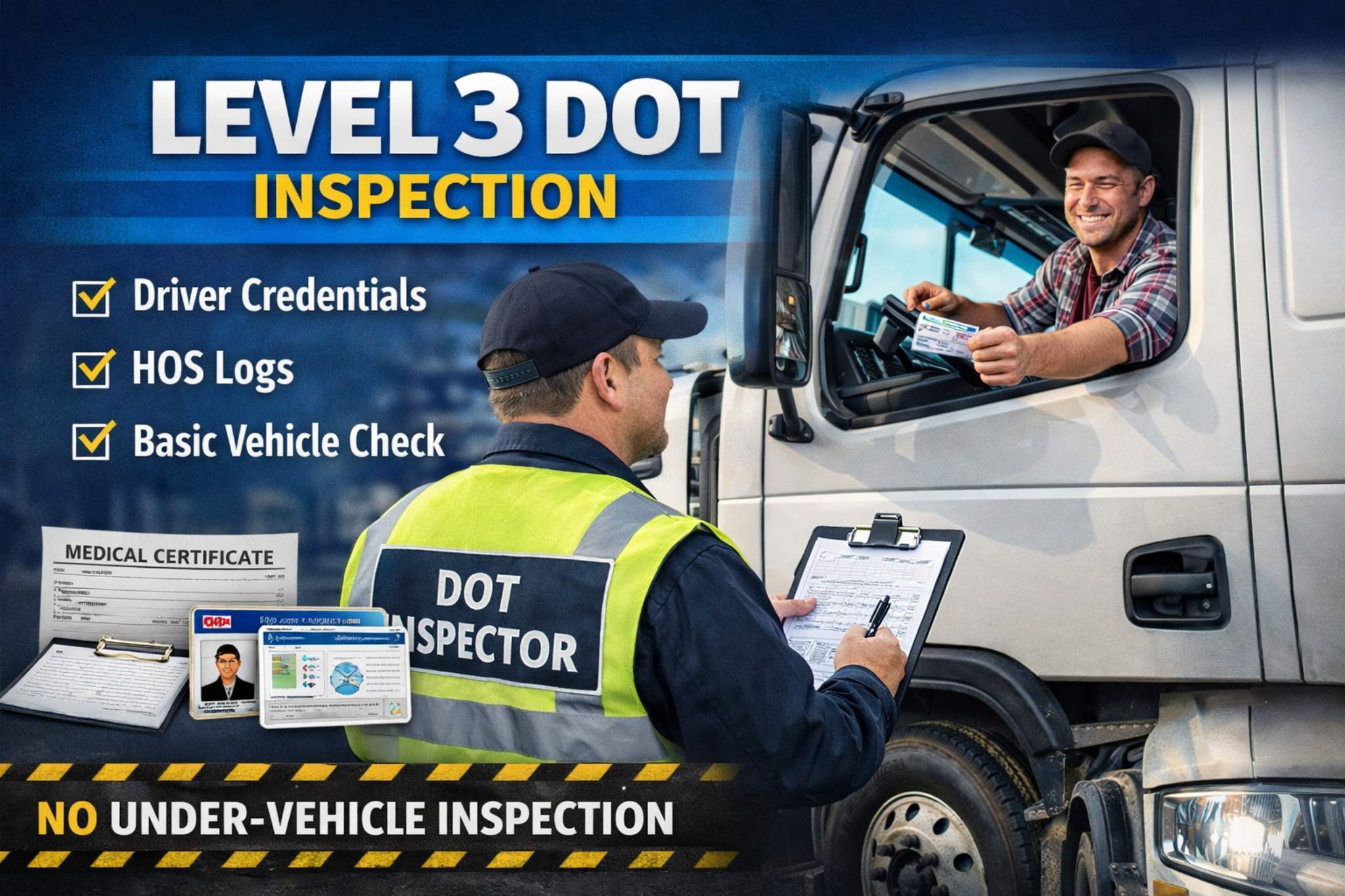
DOT Inspections and Audit Trails
Compliance is one of the most stressful parts of fleet operations—not because the rules are unclear, but because documentation is hard to manage manually. DOT inspections, DVIRs, safety audits, and internal policies all require accurate, retrievable records. Missing or incomplete documentation can lead to fines, failed audits, or vehicles being placed out of service.
Paper-based systems create gaps. Forms get lost. Signatures are missed. Inspection records sit in file cabinets instead of being accessible when inspectors ask for them. When compliance depends on memory and paper trails, risk increases fast.
Automated Documentation and Reporting
Fleet maintenance software creates automatic audit trails. Digital inspection forms, work orders, and service records are time-stamped, stored centrally, and searchable in seconds. Instead of scrambling before an audit, fleets can generate compliance reports on demand.
AUTOsist’s digital inspection tools and reporting dashboards allow managers to track inspection completion, document repairs, and maintain historical records without extra admin work. For fleets focused on inspections and safety workflows, resources like the Digital Vehicle Inspection App page show how documentation becomes part of daily operations instead of a last-minute scramble.
Problem #3: Managing Multiple Vehicles Across Locations
Centralized Visibility for Distributed Fleets
Once fleets expand beyond a single yard or shop, visibility becomes the biggest challenge. Vehicles operate across job sites, cities, or regions, and maintenance data fragments quickly. Without centralized records, managers lose track of service histories, upcoming maintenance, and vehicle condition.
This lack of visibility leads to duplicated work, inconsistent maintenance standards, and uneven performance across locations. One shop may follow schedules closely while another falls behind—without anyone realizing it until problems surface.
Fleet maintenance software solves this by creating a single system of record. Every vehicle, regardless of location, follows the same maintenance framework. Managers can see status updates, service history, and upcoming work across the entire fleet in one place.
Mobile Access for Drivers and Technicians
Maintenance doesn’t happen behind a desk. Drivers and technicians need tools that work where vehicles are. Mobile access allows inspections, issue reporting, and work order updates to happen in real time—without paperwork or delays.
With AUTOsist’s mobile app, drivers can complete inspections from their phones, technicians can update work orders on the shop floor, and managers get immediate visibility into issues. That real-time flow reduces miscommunication and speeds up decision-making across locations.
Problem #4: Controlling Escalating Maintenance Costs
Identifying Cost Patterns and Problem Vehicles
One of the biggest advantages of fleet maintenance software is cost clarity. When maintenance data is centralized, patterns emerge quickly. You can see which vehicles consume the most maintenance dollars, which repairs repeat, and where costs are trending upward.
This visibility allows fleets to answer critical questions:
- Which vehicles are costing more to maintain than they’re worth?
- Are certain components failing more often than expected?
- Is maintenance spending increasing because of age, usage, or poor scheduling?
Without software, these insights stay hidden. With reporting tools like the Fleet Reports and Dashboard, decisions become data-driven instead of reactive.
Vendor Management and Parts Inventory Tracking
Maintenance costs don’t stop at repairs. Vendor pricing, parts availability, and inventory control all influence spending. When parts aren’t tracked, fleets over-order, stock out, or pay rush premiums unnecessarily.
Fleet maintenance software helps standardize vendor records, track parts usage, and manage inventory levels. AUTOsist’s Parts Inventory Management Software helps fleets reduce waste, avoid delays, and keep maintenance moving without last-minute surprises.
Why Fleet Maintenance Scheduling Breaks Down (and How Software Fixes It)
Many fleet managers ask: what makes fleet maintenance scheduling difficult to manage? The answer lies in how quickly complexity increases as fleets scale.
Vehicles don't follow identical patterns some run high mileage routes, others operate on job sites with engine-hour-based wear. Add to that different OEM service intervals and inconsistent data updates, and scheduling becomes difficult to manage without a structured system.
When fleets rely on spreadsheets or manual tracking, even small delays in updating service logs can result in missed services, overlapping repairs, or duplicate work orders. This is a common issue highlighted in spreadsheets vs fleet maintenance software, where manual tracking often breaks down as operations grow.
Another major issue is lack of coordination between teams. Without centralized workflows, drivers, technicians, and managers may all operate with incomplete information. This is why fleets often struggle with duplicate work orders and delayed repairs.
Modern fleet maintenance software solves this by automating the maintenance schedule and standardizing workflows. Services are triggered automatically, and work orders are tracked in one system, ensuring nothing is missed or repeated.
Insights from fleet scheduled maintenance best practices also show that consistency in scheduling and execution is what separates efficient fleets from reactive ones.
Additionally, using tools like fleet maintenance work order software helps fleets avoid duplicate work orders; while maintaining a centralized vehicle service history ensures every repair decision is based on accurate past data.
More importantly, these systems act as software that helps fleets reduce time from issue reporting to repair, enabling real-time updates from drivers and technicians and improving overall response time.
If scheduling constantly feels reactive or unpredictable, it's usually a sign that the system not the team is the bottleneck.
Problem #5: Reducing Vehicle Downtime
Coordinating Repairs with Operations
Downtime isn’t just a maintenance problem—it’s an operations problem. When maintenance and scheduling aren’t aligned, vehicles get pulled from service unexpectedly. That disrupts routes, job sites, and customer commitments.
Fleet maintenance software improves coordination by providing visibility into maintenance schedules and repair timelines. Operations teams can plan around service windows instead of reacting to breakdowns, reducing chaos across the business.
Prioritizing Work Orders by Fleet Impact
Not all repairs carry the same urgency. Software-driven work order systems allow fleets to prioritize based on safety, compliance, and operational impact. Critical vehicles get attention first, while lower-impact repairs are scheduled efficiently.
This structured approach reduces out-of-service time and keeps the most important assets moving—without overwhelming technicians or managers.
Why Measuring Fleet Maintenance ROI Is So Difficult (and How to Fix It)
One of the biggest challenges measuring fleet performance ROI is that most fleets don't lack data they lack connected, reliable data. When maintenance records, fuel logs, inspections, and repair costs live in different systems, it becomes difficult to calculate real performance.
This is why many fleets struggle to evaluate whether their preventive maintenance program is actually reducing costs, or why expenses keep rising despite having a maintenance plan in place. In fact, issues like this are often discussed in topics like what are key challenges the best fleet maintenance software solves, where visibility gaps are a major reason fleets fail to track real outcomes.
Manual systems also fail to capture hidden costs like fleet downtime, delayed repairs, and duplicated work orders. These inefficiencies compound over time and make ROI appear lower than it actually is.
Another overlooked factor is that fleets often don't standardize how they measure success. Without clear benchmarks, comparing performance across vehicles or time periods becomes unreliable. Resources like fleet maintenance KPIs and formulas help establish a consistent framework for measuring performance.
Additionally, many fleets underestimate how reactive maintenance skews ROI calculations.
Fleet maintenance software connects all of this data service history, costs, inspections into a single system. That visibility allows fleets to move from assumptions to measurable performance, making ROI easier to justify and improve over time.
Measuring the Real ROI of Fleet Maintenance Software
ROI isn’t theoretical for fleets—it’s measurable. When maintenance software is implemented correctly, savings show up in multiple areas:
- Reduced downtime: Fewer breakdowns mean fewer lost workdays and emergency repairs.
- Extended vehicle life: Preventive maintenance protects high-cost assets.
- Lower admin time: Automation replaces manual tracking and reminders.
- Compliance risk reduction: Fewer fines, faster audits, less stress.
For example, saving just one day of downtime per vehicle per year in a 25-vehicle fleet can easily justify the cost of software. Tools like AUTOsist’s ROI calculator help fleets quantify those savings clearly before committing.
If your fleet is growing, maintenance feels reactive, or compliance is becoming harder to manage, these are not small issues. They are early warning signs. The longer they are ignored, the more they cost in downtime, repairs, and lost visibility. The right fleet maintenance software does not just organize your operations. It helps you take control before problems turn into expensive setbacks.
Frequently Asked Questions
-
What makes fleet maintenance scheduling difficult to manage?
Fleet maintenance scheduling becomes difficult when fleets rely on manual systems, inconsistent updates, and disconnected tools. As fleets grow, managing different service intervals and usage patterns increases complexity, leading to missed services and duplicate work orders. -
What are the biggest challenges measuring fleet performance ROI?
The biggest challenges measuring fleet performance ROI include fragmented data, lack of standardized metrics, and hidden costs like downtime and emergency repairs. Without centralized tracking, fleets struggle to connect maintenance activities to financial outcomes. -
What software helps fleets reduce time from issue reporting to repair?
Fleet maintenance software with mobile access and real-time updates helps reduce time from issue reporting to repair. Drivers can report issues instantly, and technicians can act on them without delays, improving overall fleet uptime. -
What tools help fleets avoid duplicate work orders?
Fleet maintenance work order systems help avoid duplicate work orders by centralizing repair requests, assigning ownership, and tracking job progress in one system. -
Our fleet vehicles are breaking down due to missed oil changes. Who offers fleet maintenance tracking software with automated alerts?
If your fleet vehicles are breaking down due to missed oil changes, you need fleet maintenance tracking software with automated alerts. Platforms like AUTOsist trigger maintenance based on mileage or time intervals, ensuring critical services are never missed.