 Miya Bholat
May 18, 2026
How Trucking Fleets Use Car Maintenance Software?
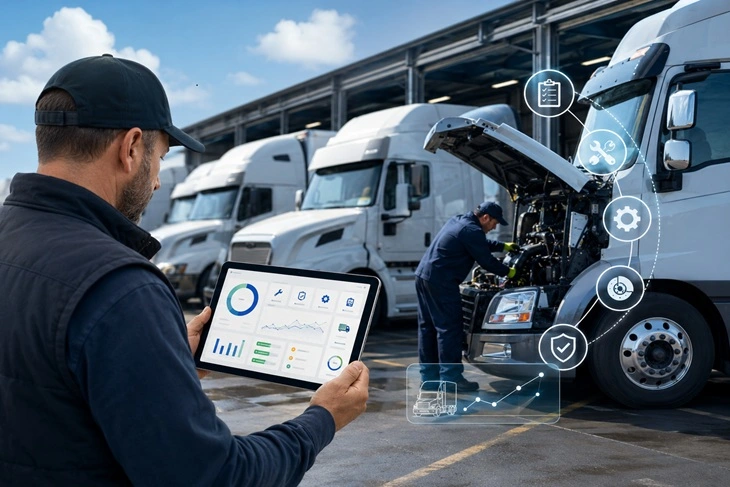
Trucking fleets use car maintenance software to schedule preventive service, track repair history, manage DVIRs, organize work orders, monitor maintenance costs, and reduce downtime across every truck in the fleet. Instead of relying on spreadsheets or paper logs, fleets use fleet maintenance software to keep service tasks, inspection records, and repair data in one place, while trucking and logistics fleet management software helps connect maintenance visibility with the daily realities of routes, drivers, deliveries, and asset uptime.
A truck that misses service does not just create a maintenance problem. It can delay a delivery, strand a driver, trigger emergency repair costs, and create compliance risk if inspection records are incomplete. For trucking fleets, those issues become harder to control when maintenance is tracked through spreadsheets, paper logs, phone reminders, or memory.
That is why car maintenance software is not only for passenger vehicles. Trucking fleets use it to keep tractors, box trucks, trailers, and support vehicles safer, more compliant, and easier to manage at scale.
Key Takeaways
- Trucking fleets need structured maintenance records. Software helps teams replace scattered logs with one system for service, inspections, repairs, and costs.
- Preventive maintenance reduces expensive surprises. Scheduled service helps fleets catch wear before it becomes a roadside breakdown.
- Mileage and engine hours matter more than calendar dates. Trucking maintenance should reflect how trucks actually run.
- Digital inspections improve accountability. DVIRs and pre trip checks help teams document defects and respond faster.
- Dashboards make maintenance easier to prioritize. Fleet managers can quickly see overdue service, down trucks, and repair trends.
- Telematics and maintenance software work better together. GPS data shows usage, while maintenance software organizes action, records, and repair workflows.
Why Trucking Fleets Need Maintenance Software Not Just Spreadsheets
Spreadsheets can work when a business owns a few trucks and one person knows every vehicle by memory. That changes when the fleet grows, drivers rotate, service vendors change, and each truck has different mileage, routes, and repair history. A missed oil change or brake inspection can stay hidden until the truck is already off the road.
Manual tracking also creates version control problems. One spreadsheet may show a truck as serviced, while a paper invoice sits in another folder and the driver has a different note on their phone. If a manager cannot quickly answer which trucks are due, which repairs are open, and which units cost the most to maintain, the fleet is managing risk instead of managing maintenance.
The Hidden Cost of Reactive Maintenance in Trucking
Reactive maintenance costs more because the fleet pays for the repair and the disruption around it. A planned service may only require scheduled shop time. A breakdown can involve towing, mobile repair, missed delivery windows, driver downtime, and customer frustration.
The American Trucking Associations reported that average roadside mechanical repair costs increased to $334 in the fourth quarter of 2025, up from $317 in the previous quarter. ATRI also reported that the average cost to operate a truck in 2024 was $2.260 per mile. When maintenance is already a major operating cost, even a small reduction in preventable downtime matters.
How Fleet Size Amplifies the Problem
A missed reminder for one pickup truck may be annoying. A missed reminder across 30 tractors can create a backlog of overdue services, safety defects, and repair bills. Growth turns small process gaps into daily operational friction.
As fleets scale, maintenance managers need to track:
- Which vehicles are due soon
- Which trucks are already overdue
- Which drivers reported defects
- Which repairs are open
- Which assets cost the most to maintain
That is why growing fleets often move from spreadsheets to systems built for tracking fleet maintenance without extra staff.
Core Features Trucking Fleets Actually Use
Trucking fleets do not need software because it has a long feature list. They need tools that solve daily problems such as missed services, incomplete inspections, open repairs, and poor cost visibility.
Preventive Maintenance Scheduling by Mileage and Engine Hours
Trucks should not be maintained only by calendar date. A local delivery truck, long haul tractor, and idle heavy duty unit can all age differently based on mileage, engine hours, load, and duty cycle.
With fleet preventive maintenance schedules, fleets can set service reminders around real usage patterns. Common reminders may include:
- Oil and filter service by mileage
- Tire rotation or replacement checks
- Brake inspections
- Fluid checks and replacements
- DOT related service intervals
For fleets with mixed assets, a guide on miles versus hours for PM intervals can help teams match reminders to actual truck usage.
Driver Vehicle Inspection Reports and Pre Trip Checks
Drivers see problems before the office does. A digital inspection process helps them report defects from the road instead of handing in paper forms later. A digital vehicle inspection app can help teams capture DVIRs, pre trip checks, photos, notes, and defect status in one place.
This matters because trucking fleets need a clear audit trail. If a driver reports a brake issue, tire problem, warning light, or fluid leak, managers need to know when it was reported, who reviewed it, and what repair action followed.
Work Order Management and Repair Tracking
Once a defect turns into a repair, the fleet needs a clear workflow. Software helps managers create work orders, assign jobs, attach parts and labor costs, add vendor invoices, and close repairs when work is complete.
A fleet maintenance work order software system gives teams a cleaner way to manage repairs whether they use an internal shop or outside vendors. It also helps managers compare repair costs by truck instead of relying on invoice folders.
Fleet Wide Maintenance Dashboards
A good dashboard shows what needs attention today. Managers should be able to see due service, overdue tasks, open inspections, down vehicles, and total spend without searching through files.
A fleet reports dashboard can help trucking teams review maintenance spend, identify repeat repairs, and make better replacement decisions when one truck keeps costing more than the rest.
How Trucking Fleets Set Up and Organize Their Maintenance Software
The setup process matters because poor data creates poor reminders. A fleet should start by building accurate records, then create service schedules that match how trucks operate.
Building Your Vehicle Profiles and Service History
Each truck profile should include basic asset details and maintenance context. Useful fields include:
- VIN
- Make, model, and year
- Current mileage
- Engine hours if tracked
- License and registration details
- Assigned driver or location
- Past repair and service records
With vehicle service history, managers can review what has already been done and avoid guessing when the next service should happen.
Setting Preventive Maintenance Reminders That Match Trucking Cycles
Trucking fleets should build reminders around real operating cycles. For example, if a service is due every 10,000 miles, the manager may set an alert 500 miles early so the truck can be scheduled before it becomes overdue.
Teams can also use a preventive maintenance schedule template to standardize intervals before moving them into software. This helps prevent every truck from having a different reminder logic without a clear reason.
Real Results: What Trucking Fleets Gain After Switching
The biggest gain is visibility. Managers stop waiting for problems to appear and start seeing service risk before it affects operations. When the team uses the system consistently, software can support better uptime, cleaner records, and smarter repair decisions.
Typical results include:
- Fewer missed service intervals
- Faster response to driver reported defects
- Better repair cost tracking by vehicle
- Clearer inspection documentation
- Less time spent searching through invoices and logs
For fleets struggling with downtime, a stronger maintenance process supports the same goal covered in fleet downtime management: keeping vehicles available when the business needs them.
Maintenance Software vs. Fleet Telematics: Do You Need Both?
Telematics and maintenance software are related, but they do not do the same job. Telematics focuses on where vehicles are, how they are driven, fuel use, location history, and usage data. Maintenance software focuses on service schedules, inspections, work orders, records, and repair costs.
Many trucking fleets benefit from both. A GPS tracking and telematics system can show how far a truck traveled and how it was used. Maintenance software turns that usage into reminders, work orders, and service documentation. Together, they help managers move from visibility to action.
Choosing the Right Car Maintenance Software for Your Trucking Fleet
The right system should make maintenance easier for drivers, mechanics, and managers. If the software is hard to use, the data will stay incomplete and the rollout will fail.
When comparing options, trucking fleets should look for:
- Mobile access for drivers and field teams
- Mileage and engine hour based reminders
- Digital inspection support
- Work order and vendor repair tracking
- Reporting by vehicle, cost, and status
- Telematics compatibility
- Support that helps during setup
AUTOsist fits this type of workflow because it connects maintenance reminders, inspections, repair history, work orders, drivers, documents, and reporting without forcing teams into a complicated enterprise rollout. The goal is not to add more admin work. The goal is to give the fleet one reliable place to manage maintenance.
Getting Your Fleet Team to Actually Use It
Software only works when the team uses it consistently. Drivers need a simple way to submit inspections. Mechanics need clear work orders. Managers need to review dashboards and follow up when items are overdue.
A strong rollout usually starts with a simple process:
- Train drivers on inspection submission
- Assign one person to review defects daily
- Set clear rules for closing work orders
- Review overdue service weekly
- Use reports in maintenance meetings
A rollout can also fail when teams try to digitize every process at once. Start with preventive maintenance, inspections, and repair tracking first. Once those habits are working, add deeper reporting, cost analysis, and document management.
Frequently Asked Questions
-
What is car maintenance software for trucking fleets?
Car maintenance software helps trucking fleets track service schedules, inspections, repairs, work orders, and maintenance costs. For trucking operations, it usually supports mileage based reminders, DVIRs, repair history, and fleet wide reporting. -
Can trucking fleets use car maintenance software for heavy duty trucks?
Yes. Many systems can manage tractors, box trucks, trailers, pickups, and support vehicles. The key is choosing software that supports mileage, engine hours, inspections, and repair workflows that match commercial fleet operations. -
What is the difference between fleet maintenance software and telematics?
Telematics tracks vehicle location, usage, driver behavior, and GPS data. Fleet maintenance software manages service reminders, inspections, work orders, repair records, and maintenance costs. Many fleets use both together. -
How does maintenance software help with DOT inspections?
Maintenance software helps fleets keep inspection records, defect reports, service history, and repair documentation organized. This makes it easier to show that reported issues were reviewed and corrected. -
Is a spreadsheet enough for trucking fleet maintenance?
A spreadsheet may work for a very small fleet, but it becomes risky as trucks, drivers, and repairs increase. Software gives managers automated reminders, shared records, inspection tracking, and better visibility across the entire fleet.