 Miya Bholat
Apr 15, 2026
What Slows Fleet Operations (And How to Fix It)
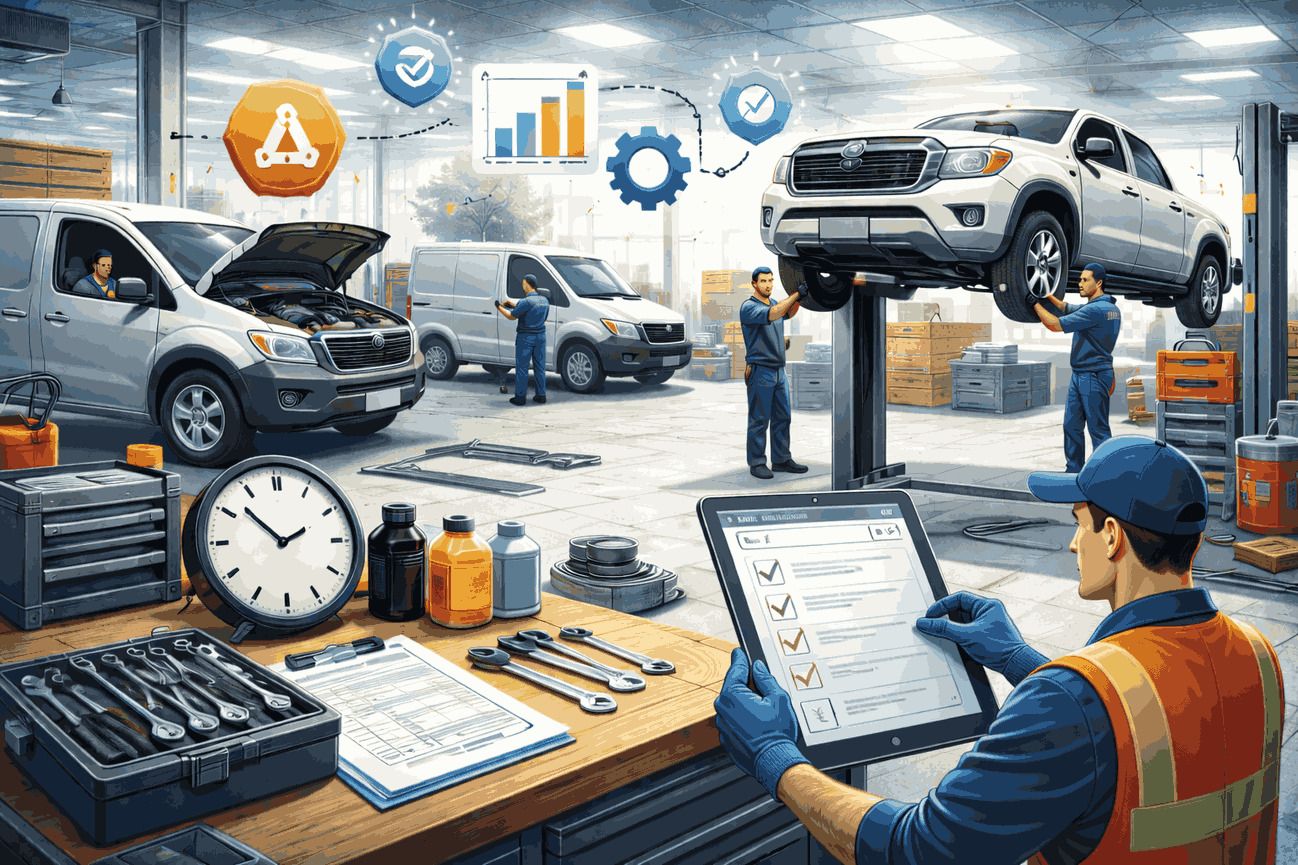
Fleet operations rarely slow down because of one big failure, it's usually a combination of small inefficiencies working together. When systems are disconnected or manual, delays become unavoidable. That's why many teams adopt fleet management software to streamline workflows and reduce operational drag.
Key Takeaways
- Operational slowdowns are systemic, not random
Most delays come from repeatable process gaps not one-off issues. - Downtime multiplies across the fleet
One vehicle failure often impacts schedules, drivers, and service commitments. - Manual systems create invisible bottlenecks
Paperwork, spreadsheets, and disconnected tools slow decision-making. - Fuel and routing inefficiencies quietly drain budgets
Without structured tracking, fleets lose money daily without realizing it. - Lack of real-time visibility leads to reactive management
Without centralized data, managers are always catching up instead of planning ahead. - Fixing operations requires system-level changes
Preventive workflows and centralized platforms eliminate most friction points.
The Hidden Cost of Operational Drag in Fleet Management
Operational drag is often underestimated because it doesn't appear as a single line item. Instead, it spreads across multiple areas of your business.
You'll typically see it in:
- Increased downtime per vehicle
- Rising fuel and maintenance costs
- Extra administrative workload
- Slower response to issues
- Compliance gaps
Solving these inefficiencies and using a fleet management software reduces costs, where even small process improvements lead to measurable savings.
Why Small Inefficiencies Add Up Fast
Consider a fleet of 30 vehicles:
- 8 minutes lost per vehicle per day
- That's 240 minutes daily
- Over a month → 80+ hours lost
This is why fleets that follow fleet management best practices consistently outperform those relying on ad hoc processes.
Unplanned Downtime: The #1 Fleet Operation Killer
Unplanned downtime disrupts operations immediately. It creates a chain reaction that affects scheduling, staffing, and costs.
When a vehicle fails unexpectedly, you deal with:
- Delayed routes or missed jobs
- Increased pressure on other vehicles
- Emergency repair expenses
- Customer dissatisfaction
The Difference Between Reactive and Preventive Maintenance
Reactive maintenance:
- Happens after failure
- Higher cost and longer downtime
Preventive maintenance:
- Scheduled in advance
- Reduces risk and keeps operations predictable
Many fleets adopt OEM factory maintenance schedules to align maintenance with manufacturer recommendations and reduce unexpected breakdowns.
How to Build a Maintenance Schedule That Actually Gets Followed
A schedule is only effective when it's consistently executed.
To ensure adoption:
- Set clear service intervals
- Assign responsibility for tracking
- Use automated alerts
- Monitor completion rates
Using systems like equipment maintenance management software helps standardize maintenance across all assets and not just vehicles.
Paperwork Bottlenecks That Grind Fleets to a Halt
Manual processes create delays at every stage of fleet operations. Paper forms, email chains, and disconnected records slow everything down.
Common issues include:
- Missing or incomplete records
- Delayed approvals
- Lack of accountability
- Compliance risks
DVIRs, Inspection Reports, and Compliance Docs
Inspection processes are critical but paper-based workflows slow them down.
Typical problems:
- Delayed submission of reports
- No real-time visibility
- Difficult audit trails
Managing these documents digitally through a vehicle document management system ensures records are accessible, accurate, and audit-ready.
Work Order Management: From Request to Resolution
Work orders often get stuck in manual workflows.
Delays happen when:
- Requests are unclear
- Approvals take too long
- Status updates are missing
With structured systems, fleets can track issues from start to finish. Many managers improve this process after reviewing common fleet management mistakes and identifying workflow gaps.
Poor Fuel Management and Route Inefficiency
Fuel inefficiency is one of the most overlooked operational slowdowns. Without visibility, fleets lose both time and money.
Common inefficiencies:
- Unnecessary idling
- Poor route planning
- Lack of fuel tracking consistency
Tracking Fuel Costs Across Your Fleet
Accurate fuel tracking helps fleets make better decisions.
With proper tracking, you can:
- Identify inefficient vehicles
- Monitor driver behavior
- Optimize routes
- Reduce unnecessary fuel usage
Tools like trip mileage tracking provide the data needed to improve route efficiency and reduce wasted time.
Vendor and Parts Delays That Stall Repairs
Even when issues are identified quickly, delays in sourcing parts or coordinating with vendors can extend downtime.
Typical challenges:
- Scattered vendor information
- No visibility into parts availability
- Delayed approvals
Organizing Vendor Contacts and Service History
To reduce delays:
- Keep vendor information centralized
- Maintain service records
- Track parts availability
Solutions like fleet user driver management also help assign accountability and ensure smoother coordination between drivers, managers, and vendors.
Lack of Visibility Across the Fleet
When fleet data is scattered, managers spend more time searching for information than making decisions.
This leads to:
- Missed maintenance deadlines
- Delayed issue resolution
- Poor planning
Why Spreadsheets Stop Working at Scale
Spreadsheets create limitations as fleets grow.
Problems include:
- No automation
- Limited collaboration
- High risk of errors
Many teams recognize this when fleet management becomes too complex manually.
What a Centralized Fleet Dashboard Changes
A centralized system gives full visibility into:
- Vehicle status
- Maintenance schedules
- Open issues
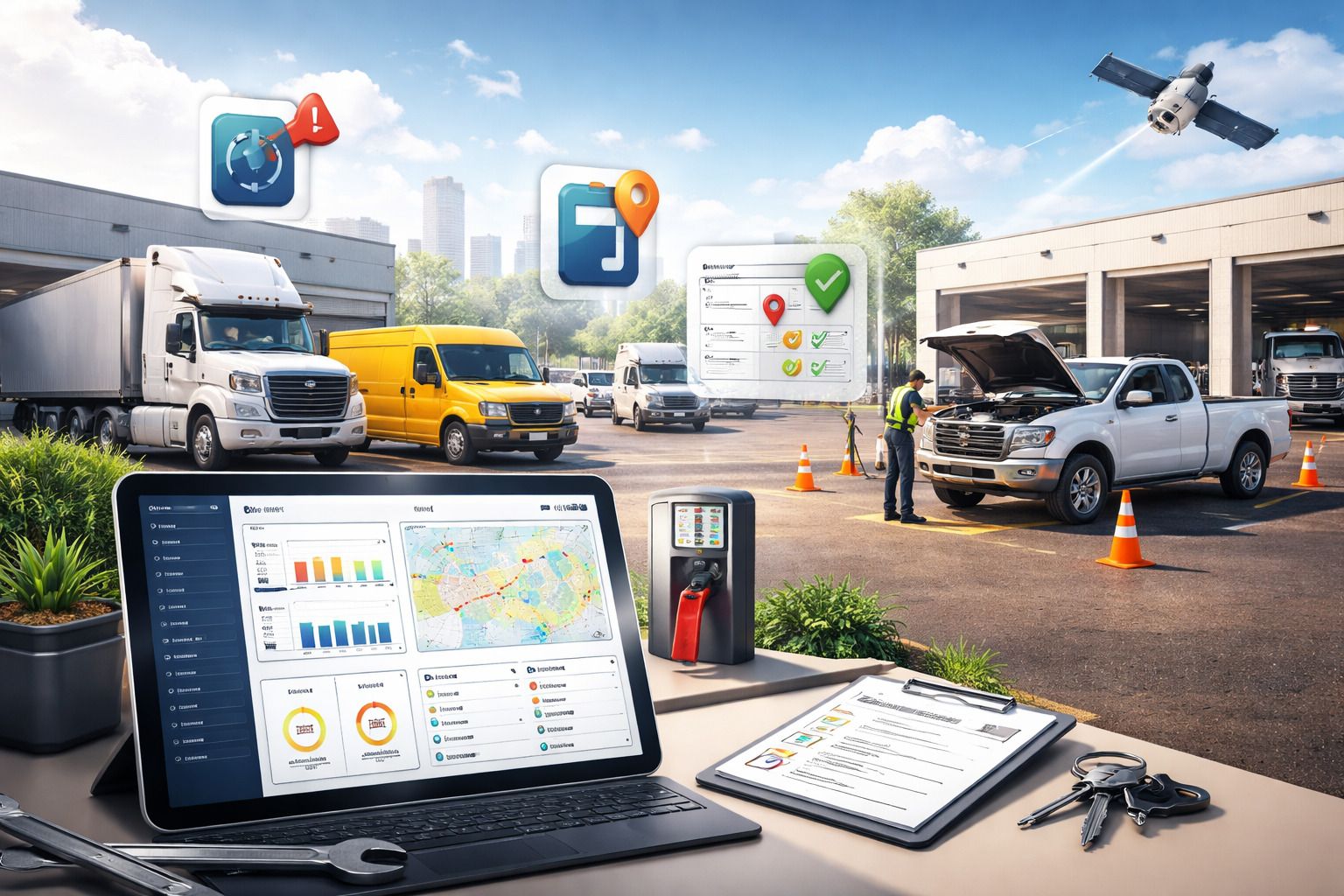
With tools like GPS tracking software, managers gain real-time insights that improve decision-making and reduce delays.
How to Fix Fleet Operational Slowdowns: A Practical Action Plan
Fixing fleet inefficiencies requires structured changes not more effort.
Start with these steps:
- Implement preventive maintenance workflows
Reduce breakdowns and stabilize operations. - Digitize inspections and documentation
Eliminate delays caused by manual processes. - Centralize operational data
Keep everything in one system for faster decisions. - Improve fuel and route tracking
Use data to reduce waste and optimize efficiency. - Adopt integrated fleet systems
Replace disconnected tools with a unified platform.
Many fleets follow structured approaches outlined in guide to implementing fleet management software to successfully transition from manual systems to scalable operations.
Frequently Asked Questions
-
What causes most fleet delays?
Most delays come from a combination of reactive maintenance, manual processes, and lack of centralized data rather than a single major issue. -
How can I reduce downtime quickly?
Implementing preventive maintenance schedules and digitizing inspections are the fastest ways to reduce downtime. -
Why is fuel management important for efficiency?
Fuel inefficiencies increase costs and reduce productivity. Tracking usage helps identify waste and improve routing decisions. -
When should fleets move away from spreadsheets?
Once managing more than a handful of vehicles, spreadsheets become inefficient due to lack of automation and visibility. -
What is the best way to improve fleet operations long-term?
Centralizing all fleet data and workflows into a single system provides long-term efficiency, visibility, and scalability.