 Miya Bholat
Apr 29, 2026
Fleet Cost Visibility: Why It Matters More Now

Key Takeaways
- Fleet cost visibility goes beyond tracking expenses
It gives real time insight into where money is going so managers can act before costs spiral. - Rising operating costs are forcing fleets to become more precise
Fuel, labor, and parts inflation leave little room for guesswork in budgeting. - Hidden costs often cause the biggest financial damage
Downtime, deferred maintenance, and compliance gaps quietly drain budgets. - Real time data improves every major fleet decision
From repair versus replace decisions to identifying high cost vehicles. - Manual tracking systems fail in complex fleet environments
Spreadsheets and disconnected tools cannot provide actionable insights at scale. - Centralized systems enable proactive cost control
Bringing all cost data into one place allows fleets to identify issues early and manage budgets effectively.
Fleet Budgets Are Under More Pressure Than Ever
Fleet managers today operate in one of the most challenging cost environments in decades. Fuel prices fluctuate unpredictably, labor shortages increase repair costs, and supply chain disruptions drive up parts pricing. At the same time, leadership expects tighter budgets and higher efficiency. This is why understanding Fleet Cost Management is no longer optional.
Without clear visibility into costs, even well managed fleets struggle to maintain profitability. Managers are expected to control expenses while maintaining uptime, safety, and compliance, which becomes nearly impossible without accurate and timely cost data.
Rising Operating Costs Are Eating Into Fleet Margins
Several cost categories have seen significant increases over the past few years. These changes compound quickly when multiplied across an entire fleet.
- Fuel costs remain volatile and often represent the largest operating expense
- Labor rates for technicians continue to rise due to shortages
- Replacement parts cost more due to supply chain disruptions
- Insurance premiums increase with risk exposure and claims history
For a deeper breakdown of these cost categories, see this fleet management cost and expense analysis guide.
Why Good Enough Budgeting No Longer Works
Traditional budgeting methods often rely on historical averages and static projections. That approach fails when costs change rapidly.
Spreadsheets and manual tracking cannot keep up with real time fluctuations. Without dynamic visibility, fleets react to problems after they occur instead of preventing them. This gap often leads to budget overruns and unexpected capital expenses.
What Fleet Cost Visibility Actually Means
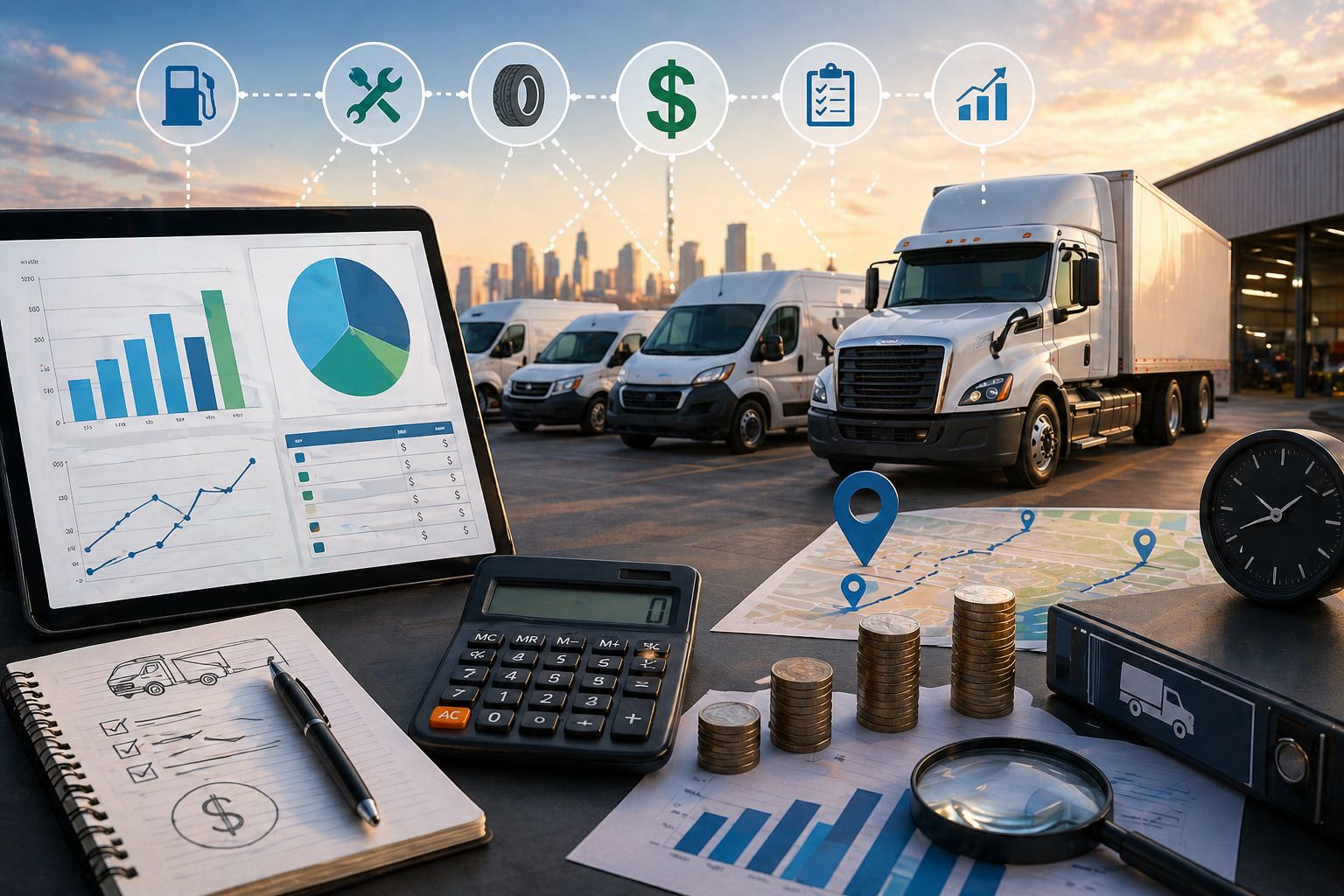
Fleet cost visibility is the ability to see exactly where every dollar is going across your fleet in real time. It is not just about recording expenses but understanding patterns, trends, and anomalies as they happen.
The Difference Between Cost Tracking and Cost Visibility
Cost tracking shows you what has already happened. Cost visibility shows you what is happening now and what is likely to happen next.
For example, tracking might show that maintenance costs increased last quarter. Visibility shows that one vehicle is responsible for a disproportionate share of those costs, allowing you to act immediately.
What a Full Cost Picture Looks Like
A complete view of fleet costs includes multiple interconnected categories. Each one contributes to overall performance and profitability.
- Fuel consumption and usage trends
- Preventive and reactive maintenance costs
- Downtime and lost productivity
- Compliance and regulatory costs
- Depreciation and lifecycle expenses
Understanding total ownership requires looking at all these factors together. This total cost of ownership for fleet vehicles guide provides a deeper framework for evaluating these costs.
The Hidden Costs That Drain Fleet Budgets Without Warning
Many of the most damaging fleet costs are not immediately visible. They accumulate slowly and only become obvious when they significantly impact the budget.
A closer look at the hidden costs of managing a fleet without proper systems reveals how easily these expenses go unnoticed.
Deferred Maintenance: The Most Expensive Shortcut in Fleet Management
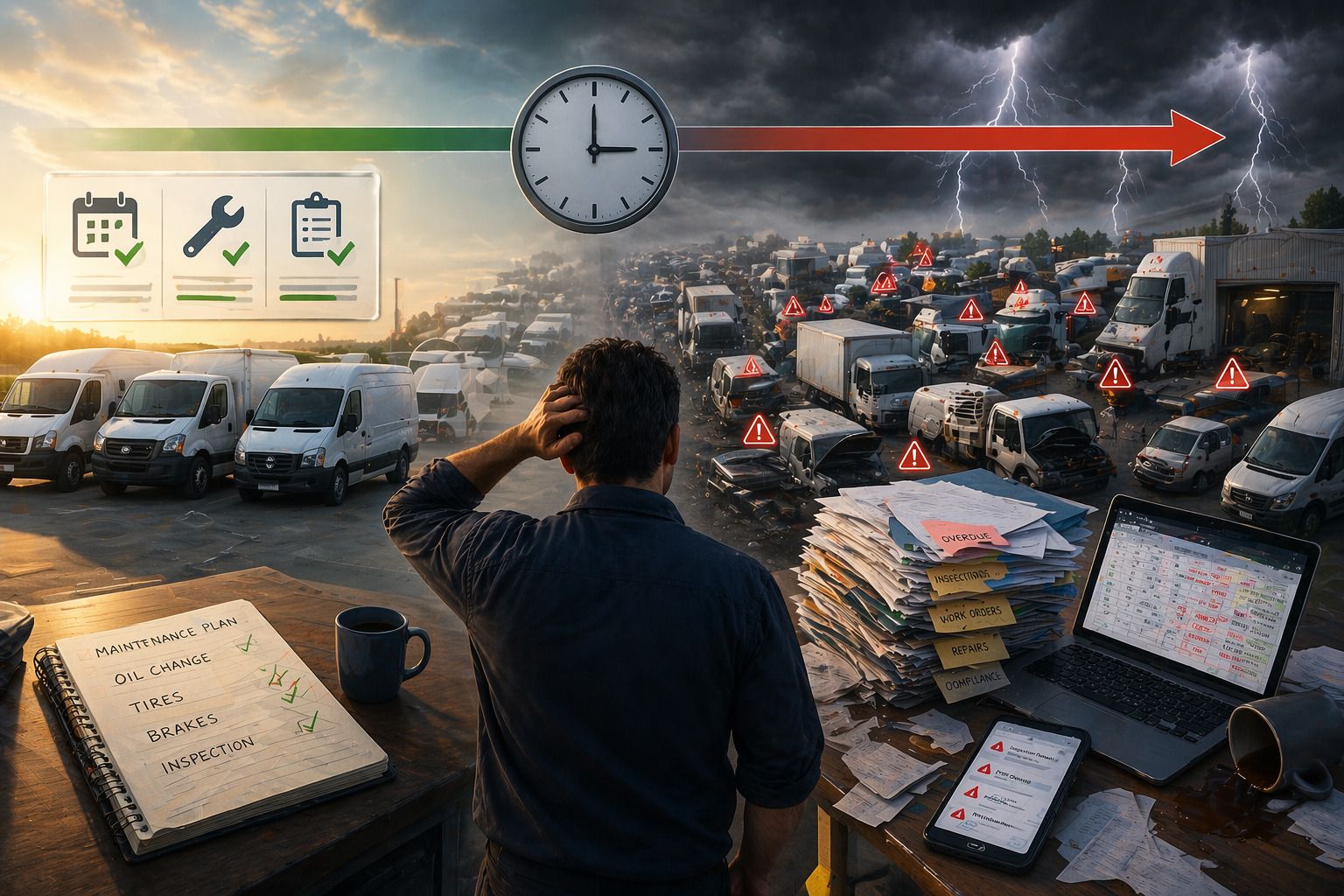
Skipping routine maintenance may seem like a cost saving measure in the short term. In reality, it often leads to significantly higher repair costs later.
Consider a simple example. A missed service costing 150 dollars can lead to a major repair costing over 2400 dollars. Without vehicle level tracking using tools like fleet preventive maintenance schedules, these patterns remain hidden.
Downtime Costs More Than the Repair Bill
The true cost of a breakdown extends far beyond the repair invoice. Lost productivity, delayed service, and replacement vehicles all add to the financial impact.
To understand the full picture, refer to this fleet downtime cost calculation guide. It highlights how even a single day of downtime can cost hundreds or thousands depending on the operation.
How Real Time Cost Data Changes Fleet Decision Making
When fleet managers have access to real time cost data, their decision making improves across every aspect of operations. Instead of relying on assumptions, they act based on measurable insights.
Repair vs Replace: A Decision That Requires Real Numbers
Deciding whether to repair or replace a vehicle depends on its total cost history. Without accurate data, this decision becomes guesswork.
By using tools like vehicle service history tracking, managers can evaluate long term trends and determine when a vehicle becomes too expensive to maintain.
Using Cost Data to Identify Your Most Expensive Assets
Cost visibility helps identify vehicles that consume disproportionate resources. These are often not the oldest vehicles but the least efficient ones.
- Vehicles with frequent breakdowns
- Units with unusually high fuel consumption
- Assets with rising maintenance costs over time
Insights like these are often uncovered through structured reporting such as a fleet maintenance software ROI calculator, which connects operational data to financial outcomes.
Building a Fleet Cost Visibility System That Actually Works
A reliable cost visibility system requires more than just collecting data. It requires organization, consistency, and automation.
Centralize Your Cost Data in One Place
Scattered data sources create blind spots. Receipts, spreadsheets, and disconnected systems prevent accurate analysis.
A centralized platform such as fleet maintenance work order software ensures all cost related data is captured and organized in one system.
Set Cost Thresholds and Alerts Before Problems Escalate
Proactive cost management depends on early detection. Automated alerts notify managers when costs exceed expected thresholds.
Tools like fleet fuel management software can identify unusual fuel usage patterns, helping prevent waste and detect inefficiencies early.
What Happens to Fleets That Ignore Cost Visibility
Fleets that lack cost visibility often experience the same pattern of challenges over time. Costs increase gradually until they become unmanageable.
Without proper systems, fleets struggle with:
- Unexpected maintenance expenses that disrupt budgets
- Poor vehicle utilization due to lack of data
- Inability to justify spending to leadership
- Reduced operational efficiency over time
These issues are explored further in this analysis of how fleet costs impact company profits, which shows the long term consequences of unmanaged expenses.
Start Improving Fleet Cost Visibility Today
Improving cost visibility does not require a complete operational overhaul. It starts with understanding where gaps exist and taking structured steps to address them.
Begin by auditing your current tracking methods and identifying areas where data is missing or delayed. Then move toward a centralized system that provides real time insights.
Solutions like digital vehicle inspection app for accurate reporting help ensure that data is captured consistently and accurately at the source.
For fleets looking to take a structured approach, this fleet maintenance cost reduction strategies guide offers actionable steps to reduce expenses and improve visibility.
Frequently Asked Questions
-
What is fleet cost visibility
Fleet cost visibility is the ability to track and analyze all fleet related expenses in real time. It provides insight into where money is being spent and helps managers make informed decisions to control costs. -
What is the best way to track fleet costs
The most effective way is to use a centralized fleet management system that captures data across maintenance, fuel, and operations. This ensures accuracy and enables real time decision making. -
Why do fleet costs keep increasing even with stable operations
Costs rise due to external factors like fuel prices, labor rates, and parts inflation. Without visibility, these increases compound unnoticed and impact overall profitability. -
How can I reduce unexpected fleet expenses
You can reduce unexpected costs by implementing preventive maintenance schedules, tracking vehicle performance, and setting cost alerts to catch issues early. -
What tools help improve fleet cost visibility
Fleet management platforms that include reporting, maintenance tracking, and fuel monitoring features provide the best visibility. These tools centralize data and enable proactive cost control.