 Miya Bholat
May 01, 2026
7 Fleet Tasks You Can Automate With Software

Key Takeaways
- Preventive maintenance scheduling can run itself
Software tracks mileage and time to trigger service reminders before breakdowns happen. - Work orders become faster and fully trackable
Digital workflows eliminate lost paperwork and give real time visibility into repairs. - Fuel tracking reveals hidden cost leaks
Automated systems flag unusual fuel usage and improve cost per mile tracking. - Digital inspections improve compliance instantly
Standardized inspection forms ensure nothing is skipped and defects are reported immediately. - Compliance tracking prevents costly penalties
Automated alerts keep licenses, registrations, and documents up to date. - Inventory management reduces downtime in the shop
Parts tracking ensures the right components are always available when needed. - Fleet reporting delivers insights without manual effort
Automated dashboards turn raw data into actionable decisions in minutes.
Why Fleet Managers Are Ditching Manual Processes
If you are still managing your fleet using spreadsheets, emails, and paper logs, you already know how quickly things fall apart. Service schedules get missed, inspections are inconsistent, and tracking costs becomes guesswork.
Many fleets lose hours every week to manual processes. Studies show that administrative tasks can consume up to 30 percent of a fleet manager's time. That is time not spent improving uptime or reducing costs.
The shift toward automation is not just about convenience. It is about staying competitive. Modern operations rely on tools like fleet management software to centralize data, eliminate repetitive tasks, and reduce human error.
If you have ever struggled with disconnected systems, you will relate to how manual fleet management becomes too complex to sustain. Automation solves that problem at the root.
The 7 Fleet Tasks You Should Automate Right Now
1. Preventive Maintenance Scheduling
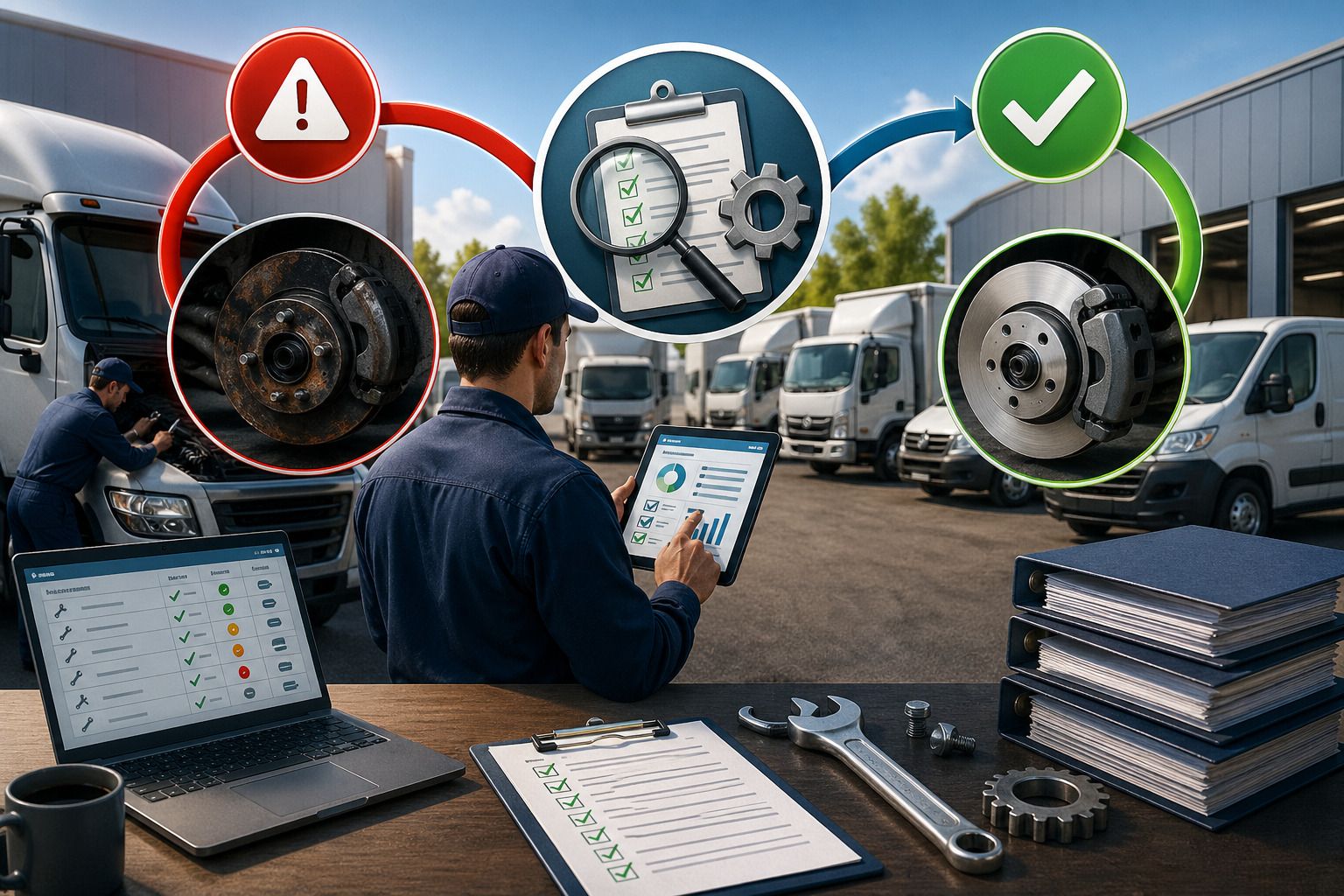
Manual scheduling often relies on memory, spreadsheets, or scattered notes. This leads to missed service intervals and reactive maintenance. Over time, small delays turn into major breakdowns.
Automation changes this completely. With fleet preventive maintenance schedules, service reminders are triggered automatically based on mileage, engine hours, or time intervals.
This ensures every vehicle gets serviced exactly when needed. It also reduces unplanned downtime, which is one of the biggest hidden costs in fleet operations.
A well structured maintenance plan also aligns with strategies outlined in how fleet management software reduces costs, where proactive maintenance consistently outperforms reactive repairs.
2. Work Order Management
Paper based work orders slow everything down. Requests get lost, approvals take longer, and tracking repair status becomes frustrating.
Automated systems like fleet maintenance work order software digitize the entire process.
You can create, assign, and track work orders in one place. Technicians update progress in real time, and managers get full visibility into every repair.
This level of control helps eliminate delays and improves accountability across the team. It also complements insights from problems fleet management software solves, especially around operational inefficiencies.
3. Fuel Usage Tracking and Reporting
Fuel is one of the largest expenses for any fleet, yet it is often tracked manually through receipts or spreadsheets. This approach is prone to errors and makes it difficult to detect anomalies.
With fleet fuel management software, fuel usage is tracked automatically.
Managers can monitor cost per mile, identify inefficient vehicles, and detect unusual consumption patterns that could indicate maintenance issues or fuel theft.
Automation also helps you stay consistent with reporting, which supports better decision making across the fleet.
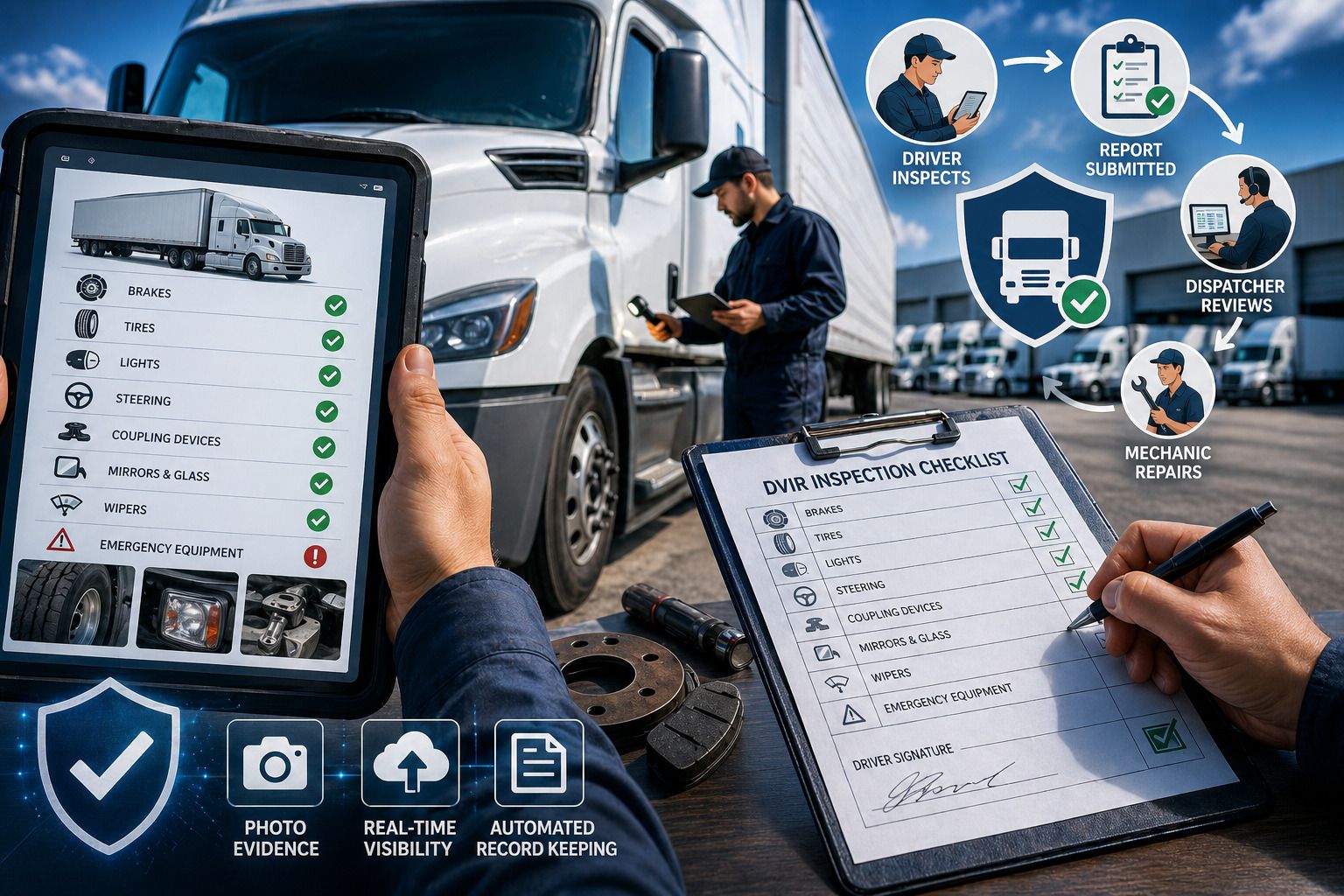
4. Vehicle Inspection Checklists DVIRs
Paper inspection forms are easy to lose and even easier to skip. This creates compliance risks and delays in identifying vehicle issues.
Digital inspections using a digital vehicle inspection app standardize the process.
Drivers complete inspections on their mobile devices, ensuring all required checks are completed. Any defects are flagged instantly and routed to the maintenance team.
This not only improves safety but also reduces the risk of compliance violations. It also aligns with best practices seen in license and inspection tracking strategies.
5. Compliance and Document Expiration Tracking
Managing compliance manually is risky. Licenses, registrations, insurance policies, and permits all have expiration dates, and missing one can lead to fines or operational disruptions.
Automation solves this with tools like a vehicle document management system, which tracks documents and sends alerts before deadlines.
This ensures nothing slips through the cracks and keeps your fleet compliant at all times.
If you have ever faced compliance challenges, you will find practical insights in common fleet management mistakes, where poor tracking is often a root cause.
6. Parts and Inventory Management
Manually tracking parts inventory leads to over ordering, stock shortages, and wasted time in the shop. Technicians often have to wait for parts, which delays repairs and increases downtime.
With parts inventory management software, inventory levels are tracked in real time.
The system can automatically trigger reorder alerts when stock runs low and link parts usage directly to work orders.
This creates a more efficient workflow and reduces unnecessary spending on excess inventory.
7. Fleet Reporting and Performance Analytics
Creating reports manually from spreadsheets takes hours and often results in outdated data. This makes it difficult to make timely decisions.
Automation changes this by using tools like a fleet reports dashboard, which generates real time insights.
Fleet managers can instantly access data on maintenance costs, vehicle utilization, and downtime trends.
This level of visibility helps identify issues early, similar to strategies discussed in how fleet managers use fleet management software.
How Much Time Can Fleet Automation Actually Save
To understand the impact, consider a fleet manager who spends around 10 hours per week on manual tasks such as scheduling, reporting, and compliance tracking.
Automation can reduce this by at least 50 percent. That means saving over 250 hours per year. That is more than six full work weeks reclaimed.
Here are some areas where time savings add up quickly
- Scheduling maintenance without manual tracking
- Generating reports instantly instead of compiling data
- Tracking compliance automatically instead of checking documents
- Managing work orders digitally instead of chasing updates
These gains align closely with findings from how fleet management software improves business efficiency.
What to Look for in Fleet Automation Software
Choosing the right platform matters just as much as deciding to automate. Not all systems offer the same level of flexibility or usability.
A strong platform should include
- Mobile access for drivers and technicians
- Custom alerts for maintenance and compliance
- Integration with telematics and GPS systems
- Real time reporting and dashboards
- Easy onboarding for teams
These features are often highlighted in fleet management software buyers guide.
Must Have Features vs Nice to Haves
Understanding priorities helps you avoid overpaying or under investing.
Must have features include
- Maintenance scheduling
- Work order management
- Compliance tracking
- Inspection management
Nice to have features include
- Telematics integration
- API access
- Multi location support
- Advanced analytics
Common Mistakes When Automating Fleet Operations
Automation is powerful, but it can fail if implemented incorrectly. Many fleets run into the same issues when adopting new systems.
Some of the most common mistakes include
- Automating broken processes without fixing them first
- Poor data setup leading to inaccurate insights
- Lack of training causing low adoption among staff
- Choosing software that does not scale with fleet growth
Start Small Scale Fast How to Roll Out Fleet Automation
The best way to implement automation is to start small and build momentum.
Follow this simple approach
- Audit your current processes and identify the most time consuming tasks
- Automate high impact areas first such as maintenance and inspections
- Train your team and ensure consistent usage before expanding
This approach reflects proven strategies shared in your ultimate guide to implementing fleet management software.
Over time, automation compounds. Small improvements lead to significant gains in efficiency and cost savings.
Frequently Asked Questions
-
What fleet tasks can be automated
Most fleets can automate maintenance scheduling, work orders, inspections, compliance tracking, fuel management, inventory tracking, and reporting. -
How does fleet maintenance software save time
It eliminates manual data entry, automates reminders, and generates reports instantly, reducing administrative workload significantly. -
Is automation expensive for small fleets
Many platforms scale based on fleet size, making automation accessible even for smaller operations while still delivering strong return on investment. -
How long does it take to implement fleet automation
Basic setup can take a few days, while full adoption depends on team training and process alignment over a few weeks. -
What is the biggest benefit of automating fleet operations
The biggest benefit is improved efficiency, which leads to reduced downtime, lower costs, and better decision making across the fleet.