 Miya Bholat
May 22, 2026
6 Reasons Construction Fleets Lose Control of Small Assets
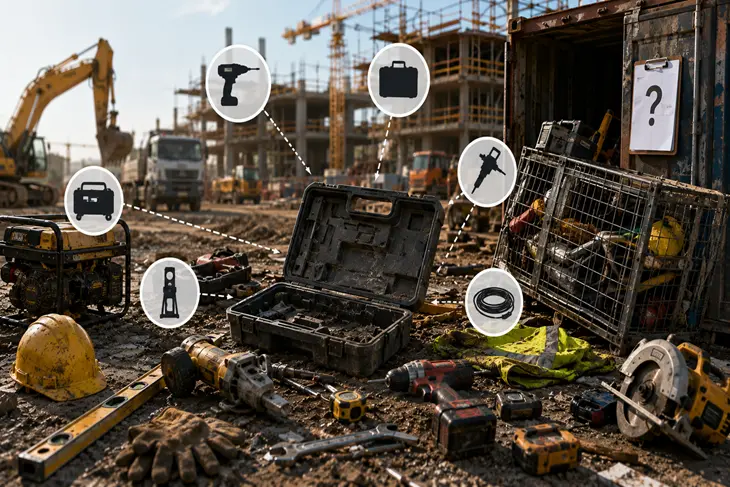
Small assets become difficult to control when construction fleets rely on spreadsheets, verbal handoffs, and inconsistent tracking processes. The fix is better visibility through standardized check out systems, maintenance history, asset assignments, and centralized tracking. Fleets using fleet management software alongside systems designed for construction fleet operations can reduce misplaced equipment, lower rental costs, and improve accountability across every active job site.
A site supervisor spends nearly an hour searching for a laser level that disappeared three days ago. One crew thinks it moved to another project. Another believes it is locked inside a storage container. Nobody documented the transfer, and a replacement rental has already been ordered.This kind of confusion happens every week on construction sites. Most fleets lose more money through poorly tracked small assets than through major equipment failures. Power tools, compactors, attachments, generators, and safety equipment move constantly, yet rarely follow strict tracking processes. The six reasons below explain why construction fleets lose control of small assets and what managers can do to fix the problem.
Key Takeaways
- Small assets create major operational blind spots
Tools, generators, attachments, and safety equipment move constantly between crews, making them harder to track than large vehicles. - Most fleets lack accountability systems for small equipment
Without digital check out records or assigned responsibility, tools disappear into daily operations. - Multi site construction projects increase tracking complexity
As equipment moves across projects, undocumented transfers create visibility gaps. - Poor maintenance tracking creates safety and reliability risks
When repair history is not tied to specific assets, damaged equipment keeps circulating between crews. - Inventory audits often reveal duplicate purchases and hidden waste
Many fleets rent or buy equipment they already own because records are outdated. - Automated alerts and centralized records improve control quickly
Fleets that track overdue assets, inspections, and assignments reduce losses significantly.
Why Small Assets Are a Bigger Problem Than Most Fleets Realize
Most fleets track excavators, trucks, and loaders carefully because they represent major investments. Smaller assets usually operate outside those systems even though they move more frequently and disappear more often.
Industry estimates suggest construction companies lose between 1% and 3% of annual revenue because of misplaced tools, underutilized equipment, duplicate purchases, and theft. Small assets create operational chaos because they sit below the threshold where many fleets invest in tracking infrastructure.
Construction companies managing several active projects often face the same operational issues discussed in why fleet management becomes difficult without centralized systems.
The Hidden Cost of Small Equipment Loss
The replacement cost of a missing tool is only part of the financial damage. Most losses create additional operational expenses throughout the project.
Some of the biggest hidden costs include:
- Labor hours wasted searching job sites
- Delays caused by unavailable equipment
- Emergency rental costs for replacements
- Duplicate purchases because inventory records are inaccurate
- Missed inspections and maintenance issues
- Safety risks tied to damaged equipment
Many fleets discover these problems after implementing parts inventory tracking systems that reveal how often assets go missing or remain unused.
Reason #1 No Standardized Check Out System
Most construction crews rely on informal trust. Someone grabs a tool, uses it during the day, and returns it whenever the task finishes. That process breaks down quickly once several crews share the same equipment.
A busy week across multiple projects can scatter tools across trucks, storage containers, and temporary job sites with no documentation showing who last used them.
Common warning signs usually include:
- Crews constantly asking where tools went
- Supervisors relying on text messages for tracking
- Frequent duplicate purchases
- Rising rental expenses
- Missing equipment discovered only during emergencies
Fleets improving accountability often use fleet user management systems that tie equipment directly to specific employees or crews.
Reason #2 Assets Move Across Job Sites Without Documentation
Construction equipment rarely stays in one place for long. Generators, attachments, compactors, and specialty tools move between projects constantly. Unfortunately, many transfers happen verbally without documentation.
That creates ghost assets. The company still owns the equipment, but nobody knows where it currently sits.
Construction companies operating across several active projects often struggle with the same visibility issues and need to understand how integrated fleet systems improve operational coordination.
The Multi Site Visibility Problem
Tracking complexity increases rapidly once fleets manage three or more active job sites simultaneously.
The most common multi site tracking problems include:
- Equipment transferred without approval
- Assets left behind after project completion
- Crews borrowing tools without notification
- Separate spreadsheets maintained by each supervisor
- No centralized view of asset movement
Many fleets improve visibility using GPS tracking and telematics systems that monitor asset movement in real time.
Reason #3 Maintenance Records Aren't Tied to Individual Assets
When a small asset fails after repairs, many fleets cannot trace its maintenance history. Records often exist only at the equipment category level rather than the individual asset level.
That creates confusion around inspections, repairs, and equipment condition. A damaged saw may receive temporary repairs, move between projects, and eventually fail again because nobody tracked previous issues properly.
Companies struggling with recurring maintenance problems often improve visibility using equipment maintenance management software that stores service history for each asset individually.
Why Asset Maintenance History Matters for Accountability
Asset level maintenance records improve accountability and reduce operational risk.
Strong maintenance tracking helps fleets:
- Identify repeat equipment failures
- Track inspections accurately
- Prevent unsafe equipment usage
- Reduce downtime from missed maintenance
- Support warranty documentation
- Improve long term replacement planning
Detailed vehicle and equipment service history records help supervisors understand how assets perform over time instead of relying on memory or paper records.
Reason #4 Crews Don't Know What the Fleet Actually Owns
Many construction fleets have never completed a full small asset audit. Over time, equipment gets duplicated, misplaced, retired, or forgotten without records being updated properly.
As a result, crews often rent equipment the company already owns because nobody can locate it.
A proper inventory review usually uncovers:
- Duplicate purchases across job sites
- Assets stored at inactive projects
- Broken tools still listed as active
- Equipment sitting unused for months
- Missing assets never formally removed from records
Fleets replacing spreadsheets with fleet management systems designed for operational visibility often uncover major inventory inaccuracies during implementation.
Reason #5 No Alerts When Assets Go Overdue or Go Missing
Most construction fleets discover a missing tool only after someone urgently needs it. By that point, the asset may already be lost, stolen, or sitting unnoticed on another site.
Reactive management creates unnecessary downtime because nobody receives early warnings when equipment disappears from circulation.
Even simple automated alerts can reduce asset loss significantly.
The Difference Between Reactive and Proactive Asset Control
Reactive fleets wait for someone to report a problem. Proactive fleets receive alerts before missing equipment disrupts operations.
Effective alert systems can flag:
- Overdue equipment check outs
- Long periods of asset inactivity
- Missed inspections
- Unexpected location changes
- Repeated late returns from crews
Construction operations looking for stronger visibility often rely on fleet reporting dashboards to monitor asset activity across multiple projects.
Reason #6 Responsibility Is Shared, So No One Is Accountable
When everyone can access tools freely, accountability disappears. This is rarely a personnel issue. It is usually a process issue.
Without assigned responsibility, crews have little reason to document equipment movement consistently. Assets move between trucks, projects, and storage areas with no clear ownership trail.
Fleets that assign tools directly to crews or employees typically experience fewer losses and better equipment care.
A strong accountability process often includes:
- Digital acknowledgment before equipment use
- Assigned responsibility during projects
- Automated return confirmation
- Maintenance reporting tied to users
- Supervisor visibility into active assignments
Many managers improving operational discipline also apply recommendations from common fleet management mistakes that create operational confusion.
How to Regain Control of Your Small Asset Fleet
Construction fleets do not solve small asset problems by adding more paperwork. They solve them with visibility, accountability, and consistent operational processes.
The following actions directly address the six issues covered above:
- Implement a digital check out and check in system tied to individual users
- Create a centralized asset register updated in real time
- Assign maintenance records to individual assets instead of categories
- Conduct quarterly inventory audits using standardized procedures
- Set automated alerts for overdue returns and inactive equipment
- Assign assets to specific crew members with digital acknowledgment
Fleets improving operational visibility often combine these practices with preventive maintenance scheduling tools.
The goal is not bureaucracy. The goal is control. Fleets that know where assets are located make smarter purchasing decisions, reduce unnecessary rentals, improve accountability, and catch problems before equipment disappears entirely.
Frequently Asked Questions
-
What counts as a small asset in construction fleet management?
Small assets usually include portable tools, generators, compactors, laser levels, attachments, compressors, safety equipment, and other mobile equipment used regularly across job sites. -
How do construction companies track tools and small equipment?
Most fleets use digital tracking systems, check out records, maintenance logs, GPS enabled monitoring, and centralized inventory systems to manage equipment movement and usage. -
What is the best way to reduce tool theft on construction sites?
The most effective approach combines equipment assignments, digital accountability, automated alerts, inventory audits, and controlled access procedures. -
How often should construction fleets audit small assets?
Most construction fleets should complete a full small asset audit every quarter, while frequently used equipment should be reviewed monthly. -
Can fleet management software track tools and equipment besides vehicles?
Yes. Modern fleet systems can track tools, attachments, maintenance history, inspections, assignments, and equipment movement alongside vehicles and heavy equipment.