 Miya Bholat
Aug 26, 2026
What Counts as a Fleet Vehicle?
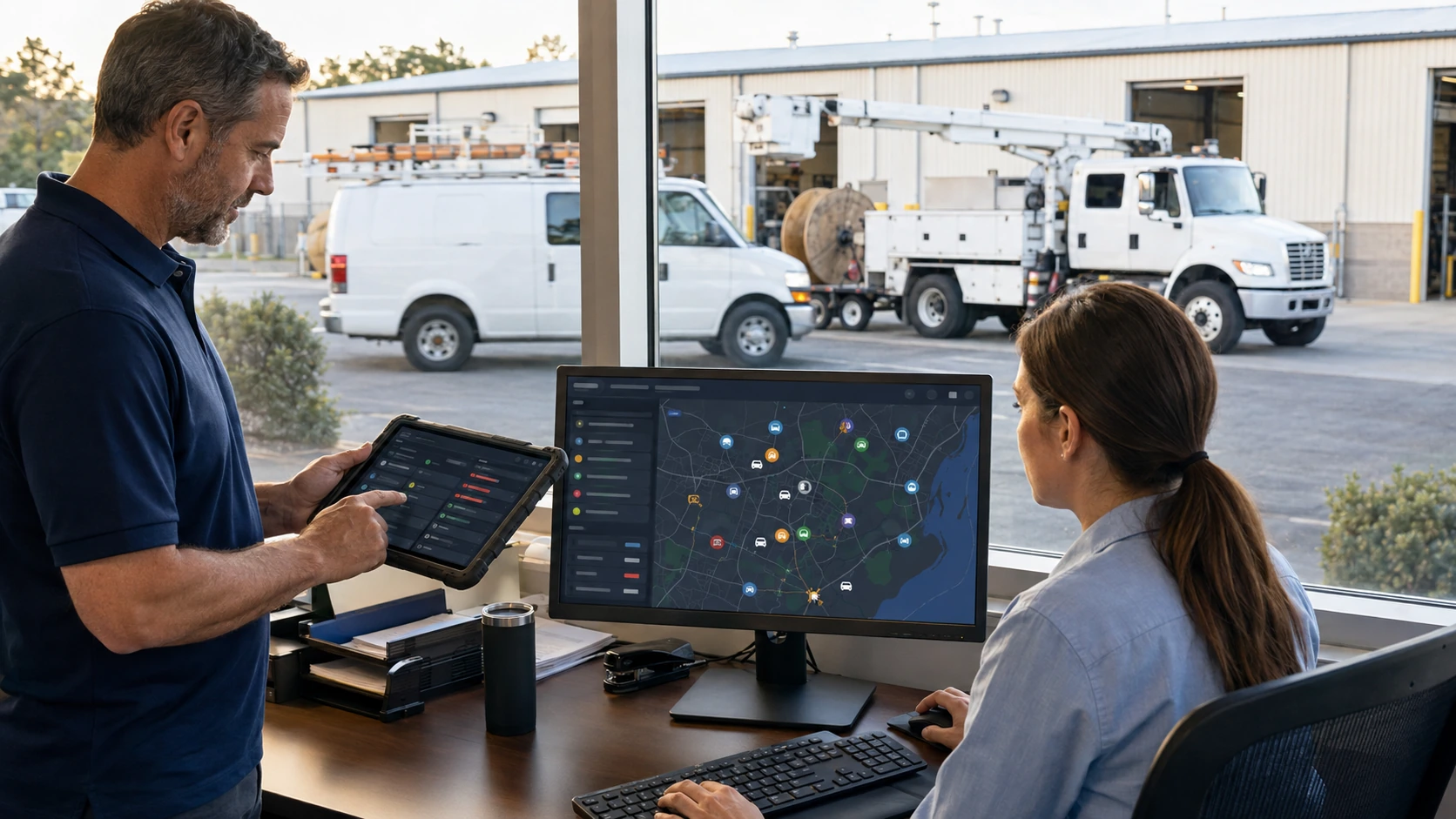
A fleet vehicle is any vehicle an organization owns, leases, controls, or accepts meaningful responsibility for while using it to conduct business. That can include assigned trucks, shared pool cars, temporary rentals, and employee owned vehicles used for work. Once a vehicle creates maintenance, financial, insurance, driver, or compliance responsibility, it should generally be recorded in a central fleet management software system.
The key question is not how many vehicles the organization operates. It is whether each individual vehicle creates an operational responsibility that the fleet program needs to manage.
Key Takeaways
-
Control matters more than ownership.
Owned, leased, rented, and employee owned vehicles can all create fleet responsibilities. -
Pool vehicles still count.
A vehicle does not stop being a fleet asset simply because multiple employees use it. -
Temporary vehicles need temporary tracking.
Rentals and loaners should remain visible while the organization controls and operates them. -
Fleet status and CMV status are separate.
A vehicle can belong in your fleet without meeting the federal commercial motor vehicle definition. -
Equipment needs different tracking.
Road vehicles usually rely on mileage and registration, while equipment often relies on operating hours and usage. -
Classification protects your data.
Missing vehicles can distort cost per mile, maintenance planning, insurance records, and compliance reporting.
What Actually Makes a Vehicle Part of Your Fleet
Three practical tests determine whether a vehicle belongs in the fleet program:
- The organization owns, leases, controls, or regularly directs its use.
- The organization pays for maintenance, fuel, insurance, reimbursement, or operating costs.
- The vehicle supports business operations rather than serving only a personal purpose.
A vehicle that passes one or more of these tests may require tracking. A vehicle that passes all three almost certainly belongs in the fleet program.
Ownership, Lease, and Reimbursed Vehicles
Company owned vehicles create the clearest responsibility because the organization holds the asset and normally pays its operating costs.
Leased vehicles create similar responsibilities even when another party holds the title. The organization still controls their use and may be responsible for inspections, maintenance, damage, mileage limits, and return condition.
Employee owned vehicles used for business form what is commonly called the grey fleet. The employer may not own these vehicles, but business use can still create insurance, reimbursement, driver, and duty of care responsibilities.
Why Vehicle Count Thresholds Are the Wrong Starting Question
There is no universal number that turns a group of vehicles into a fleet. Insurers, tax authorities, manufacturers, and service providers can apply different eligibility rules.
The practical question is not whether three, five, or ten vehicles qualify the organization as a fleet. It is which vehicles should enter its management process. The industries that commonly operate fleet vehicles vary widely, but each still needs a consistent vehicle classification policy.
Vehicles That Almost Always Count as Fleet Assets
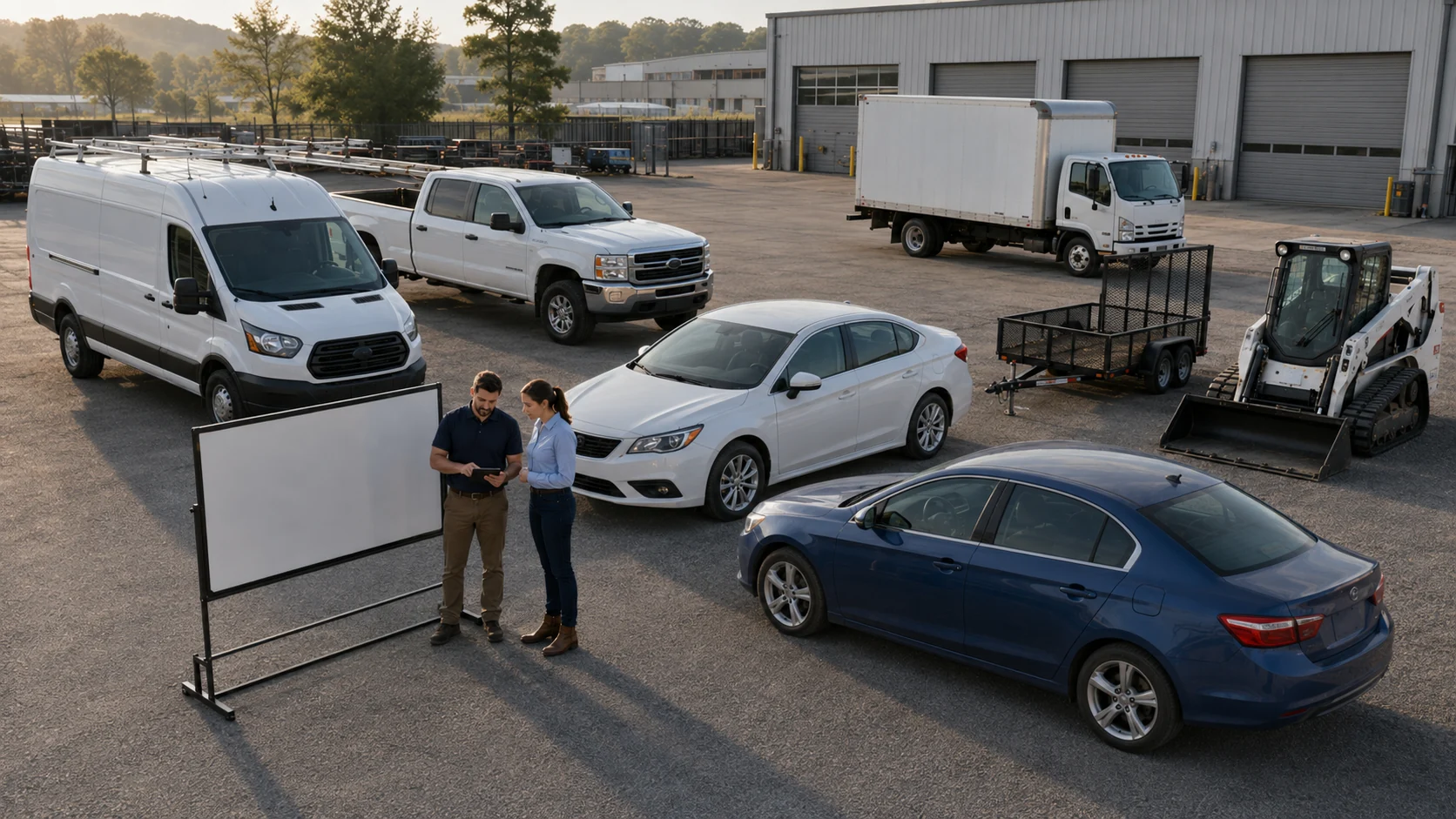
The following vehicles normally belong in a tracked fleet when the organization owns or leases them for operational use:
- Cars used for sales, inspections, or site visits
- Vans used for service calls or deliveries
- Pickups and trucks used to transport people, tools, or materials
- Police vehicles, ambulances, and fire apparatus
- Transit buses, school buses, and passenger vans
- Utility, telecommunications, and public works vehicles
Ownership records, operating responsibility, and business purpose make these straightforward fleet assets. Organizations needing a broader breakdown can compare the common types of corporate fleet vehicles.
The Gray Area Vehicles Most Fleets Get Wrong
Ambiguous vehicles often remain outside the main fleet list because they are shared, temporary, personally owned, or waiting to leave the organization. That omission can create gaps in inspections, maintenance, insurance, and cost reporting.
Grey Fleet Vehicles: Employee Owned Cars Used for Work
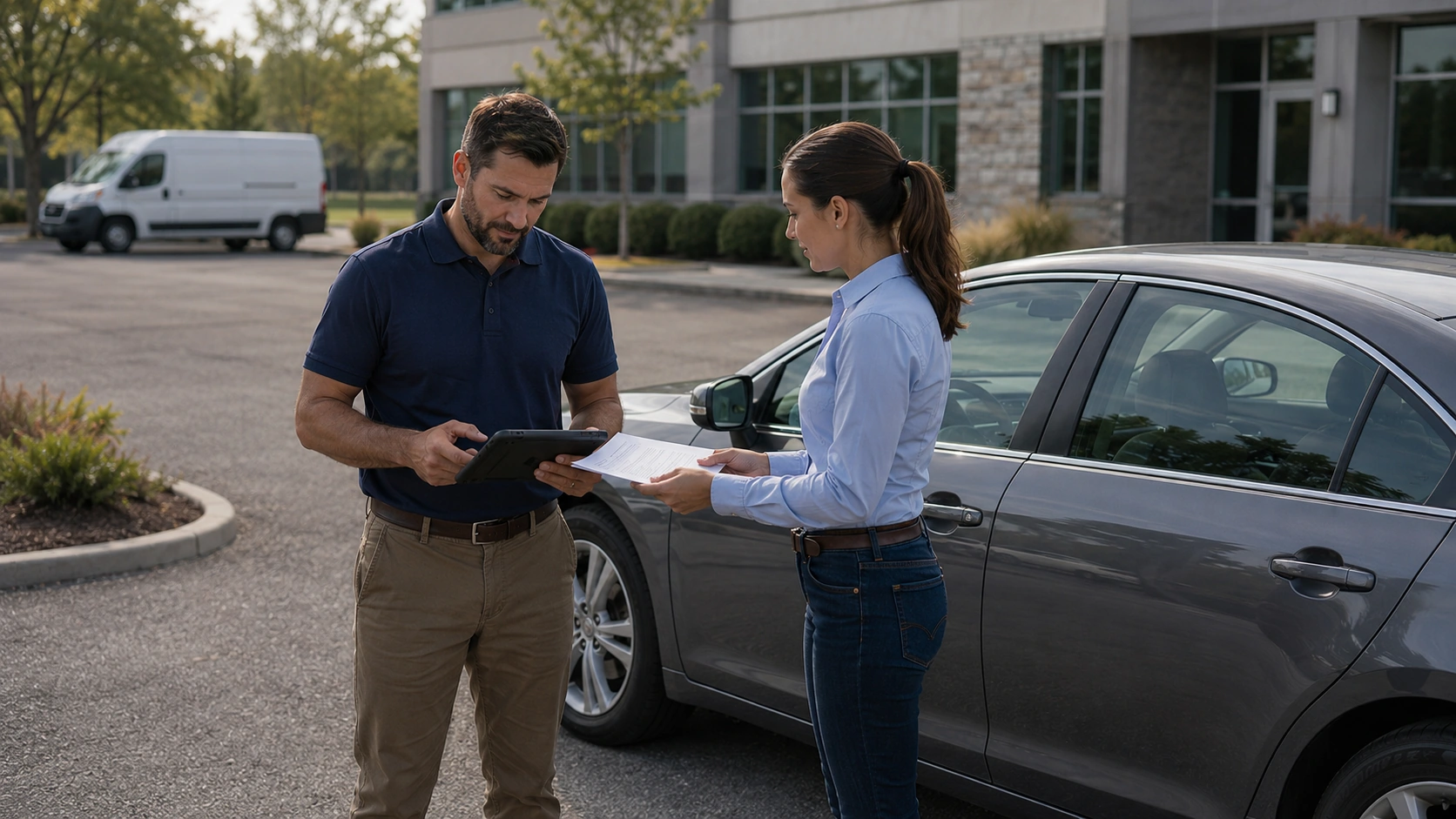
An employee owned car can create fleet exposure when an employee uses it for client visits, deliveries, inspections, or travel between work locations.
Nearly one in five grey fleet vehicles reportedly lacks adequate business use insurance. Industry reporting citing NHTSA data also states that approximately 70 percent of vehicle accidents occur outside standard business hours. This makes it important to document authorized drivers, business use, insurance evidence, and vehicle condition.
Occasional use does not always require the same maintenance control as an owned vehicle. It should still trigger a documented review of frequency, reimbursement, insurance, and risk.
Pool Vehicles and Shared Use Vehicles
Pool vehicles are checked out by different employees instead of being assigned to one driver. They still require the same inspection, maintenance, registration, and repair oversight as assigned vehicles.
Shared use can actually increase the need for clear records because responsibility changes between trips. A reliable fleet user and driver management process connects each trip or checkout period with the correct driver.
Executive and Perk Vehicles
A company vehicle provided as an executive benefit still belongs in the fleet. Its purpose may differ from a service van, but its ownership, insurance, maintenance, and tax responsibilities remain with the organization.
Mixed use is common. An industry personal use survey found that 72 percent of fleets allow personal use of company vehicles, and 52 percent of those fleets charge employees nothing for it. Personal use does not remove the vehicle from fleet tracking.
Rental, Loaner, and Short Term Vehicles
Rentals and loaners can fill gaps during repairs, seasonal demand, or unexpected vehicle loss. They may not require permanent asset records, but they should be tracked while the organization controls them.
Use a simple rule: if the organization is financially or operationally responsible for a vehicle while it is in its possession, record the vehicle, assigned driver, inspection condition, usage period, and return date.
Vehicles Awaiting Disposal or Sale
A vehicle should remain in the fleet system until control and title actually transfer. Marking it retired can stop normal scheduling, but deleting it too early can remove access to service, damage, document, and ownership records.
Keep its complete vehicle service history available through the sale, transfer, auction, or disposal process.
Where Fleet Vehicles End and Equipment Begins
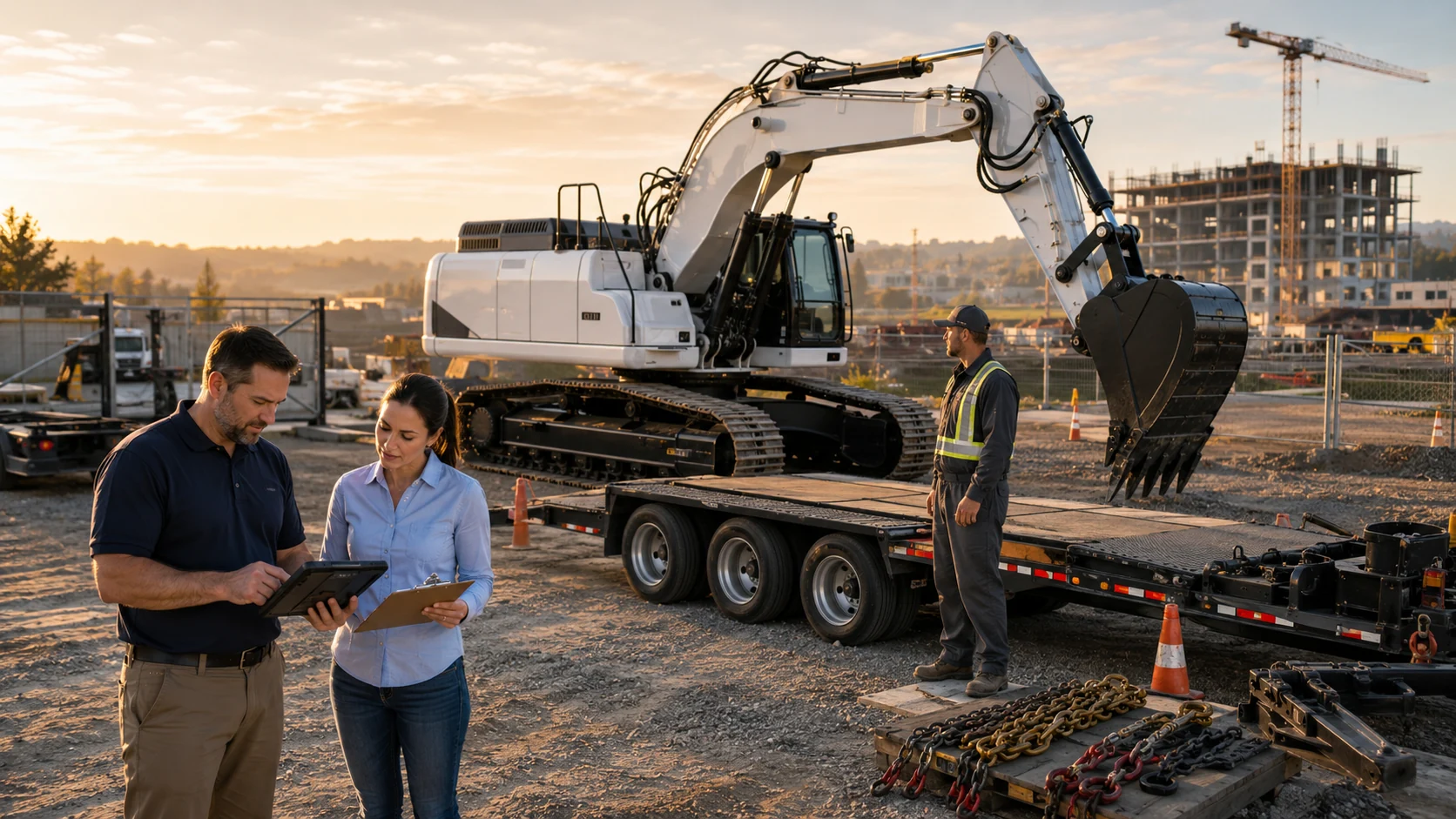
Road vehicles and equipment may both require maintenance, but they use different operating records.
A registered truck normally relies on mileage, license status, vehicle identification details, road inspections, and driver assignments. A skid steer, mower, generator, or compressor may rely on operating hours, job site, operator, and usage based service intervals.
Trailers sit near the boundary. They may not have engines, but they can require registration, inspections, tire service, brake maintenance, and assignment to towing vehicles.
Separate equipment maintenance management tools help teams track nonroad assets according to hours and usage instead of forcing them into a mileage based vehicle process.
When a Vehicle Becomes a Regulated Commercial Motor Vehicle
Fleet membership is an operational classification. Commercial motor vehicle status is a regulatory classification.
Under 49 CFR Section 390.5, the federal definition generally applies to a self propelled or towed vehicle used on a highway in interstate commerce when it meets at least one of these conditions:
| Regulatory test | Federal threshold |
|---|---|
| Vehicle or combination weight | GVWR, GCWR, gross vehicle weight, or gross combination weight of 10,001 pounds or more, whichever is greater |
| Passenger transport for compensation | Designed or used to transport more than 8 passengers, including the driver |
| Passenger transport without compensation | Designed or used to transport more than 15 passengers, including the driver |
| Hazardous materials | Transports a quantity that requires placarding |
Crossing one of these thresholds can change inspection, maintenance, driver qualification, and recordkeeping obligations. It does not decide whether the vehicle belongs in the fleet.
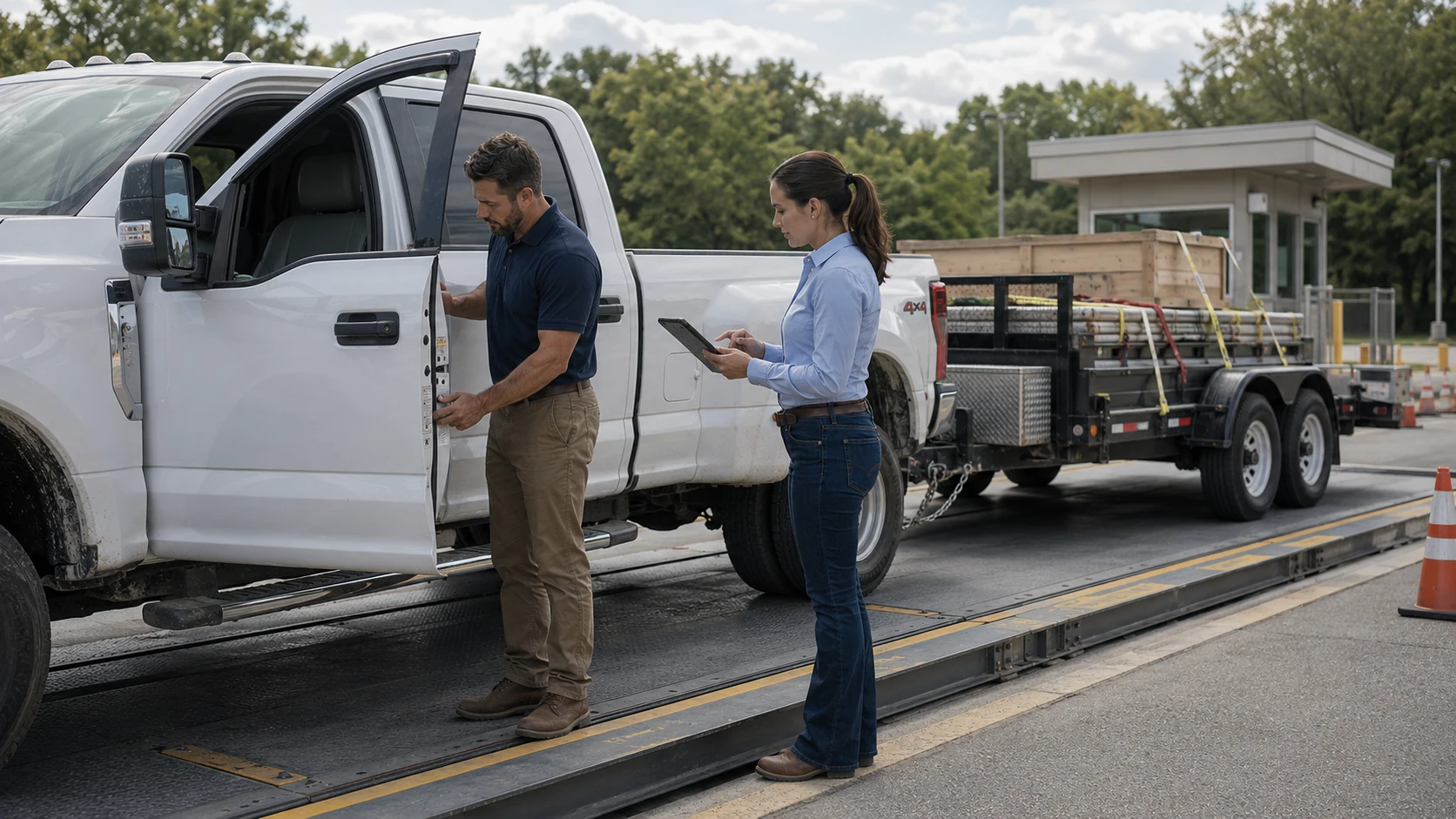
Teams operating regulated vehicles should establish a DOT compliance and vehicle inspection process and confirm applicable federal and state requirements.
A Decision Framework for Classifying Any Vehicle
Run every uncertain vehicle through the same sequence:
- Does the organization own or lease it? If yes, add it to the fleet unless it is inventory that has never entered service.
- Does the organization control when, where, or by whom it is used? If yes, create a tracked record even if another party owns it.
- Does the organization pay operating costs or reimburse business use? If yes, document the vehicle and determine the required level of oversight.
- Is its business use recurring or operationally important? If yes, track its driver, documents, usage, insurance, and maintenance responsibilities.
- Does it create regulatory or insurance exposure? If yes, include it even when usage is infrequent.
- Is it leaving the fleet? Keep it active or retired in the system until possession, responsibility, and title have transferred.
Why Getting Vehicle Classification Right Matters
An incomplete fleet list produces incomplete cost data. Fuel, maintenance, insurance, reimbursement, and downtime can appear disconnected from the vehicles that created them.
That weakens cost per mile calculations and replacement decisions. A fleet vehicle total cost of ownership model becomes more reliable when every vehicle generating business costs is included.
Classification also determines where responsibility sits. Missing grey fleet and temporary vehicles can leave insurance evidence, driver authorization, and incident records outside the normal process.
The same principle applies when deciding what counts as a fleet expense. Accurate vehicle and expense classifications must work together to produce dependable operating costs.
Building a Vehicle Classification Checklist for Your Fleet Program
Use this checklist whenever a vehicle enters, changes roles, or leaves the operation:
- Record ownership, lease, rental, or reimbursement status
- Identify the business purpose and expected usage frequency
- Assign responsible drivers, departments, or locations
- Verify registration, insurance, inspection, and weight details
- Decide whether tracking should use mileage or operating hours
- Record the service start date and expected return or disposal date
- Review federal, state, and local regulatory exposure
- Preserve records until responsibility and title transfer
A consistent checklist prevents informal vehicle additions from becoming long term reporting gaps. Supporting each record with a vehicle document management system also makes insurance, registration, inspection, and transfer information easier to verify.
Frequently Asked Questions
-
Does a personal vehicle used occasionally for work count as a fleet vehicle?
A personal vehicle used occasionally for work may not require full maintenance management, but it should enter a grey fleet review. The employer should document business use, reimbursement, insurance coverage, driver authorization, and potential liability. -
What is the DOT weight threshold for a commercial motor vehicle?
For the federal definition under 49 CFR Section 390.5, the threshold is 10,001 pounds or more based on GVWR, GCWR, actual gross vehicle weight, or actual gross combination weight, whichever is greater. Passenger capacity and placarded hazardous materials can also trigger CMV status. -
Does a rented vehicle count as part of the fleet?
A rented vehicle should be tracked while the organization possesses, operates, and bears responsibility for it. Record the rental period, assigned driver, initial condition, incidents, expenses, and return confirmation. -
Do pool vehicles need the same maintenance tracking as assigned vehicles?
Yes. Pool vehicles still require inspections, preventive maintenance, registration, repair history, and driver accountability. Shared use makes accurate checkout and condition records especially important. -
When should a retired vehicle be removed from the fleet system?
Keep a retired vehicle in the system until possession, responsibility, and title transfer to the buyer, auction company, recycler, or receiving department. Preserve its historical record after removal from active service.