 Miya Bholat
Jan 21, 2026
What Does OTR Mean in Trucking? A Complete Fleet Guide

Key Takeaways: Understanding OTR Trucking Operations
- OTR means Over-the-Road trucking, involving long-haul routes that cross state lines and span thousands of miles.
- OTR differs sharply from local and regional trucking in distance, home time, and pay structure.
- OTR trucks accumulate miles faster, increasing the importance of preventive maintenance and timely service.
- Breakdowns are more costly when they occur remotely, making centralized records and fast decision-making critical.
- Technology enables effective OTR fleet management, especially GPS tracking, ELDs, and digital maintenance tools.
- OTR isn’t right for every fleet, but it can be highly effective for businesses with national freight demands and the infrastructure to support it.
What Does OTR Mean in Trucking?
OTR stands for Over-the-Road in the trucking industry. OTR trucking refers to long-haul operations where drivers transport freight across state lines and often across multiple regions of the country. Unlike local or regional trucking, OTR routes typically span hundreds or thousands of miles and keep drivers on the road for extended periods.
In practical terms, an OTR driver might pick up a load in Texas, deliver it in Pennsylvania, then continue on to the Midwest before heading back toward their home terminal. These routes are not confined to a single metro area or state. Instead, they form the backbone of interstate commerce, moving goods between distribution centers, ports, manufacturers, and retailers nationwide.
The key distinction is distance and duration. Local trucking usually means same-day routes within a city or nearby counties. Regional trucking expands that radius but still aims to get drivers home weekly or more often. OTR trucking removes those geographic limits entirely, prioritizing freight movement over proximity to home base.
How OTR Trucking Works
OTR trucking operates on a national scale, requiring different planning, equipment, and management strategies than shorter-haul models. Fleets must coordinate dispatching, compliance, maintenance, and driver support across wide geographic areas.
Typical Route Distances and Duration
OTR routes commonly range from 500 to 3,000+ miles per trip, depending on freight lanes and customer demand. Many OTR drivers stay on the road for two to three weeks at a time, though some fleets run shorter cycles with scheduled home time every 7–10 days.
Because routes cross multiple states, OTR drivers encounter varying weather conditions, terrain, and traffic environments. A single trip may include mountain passes, desert heat, congested urban corridors, and rural highways. This variability affects fuel usage, tire wear, and maintenance planning.
From an operational standpoint, OTR fleets often prioritize maximizing miles per truck. High utilization spreads fixed costs—equipment, insurance, permits—across more revenue-generating miles, which is one reason many carriers choose OTR models.
Types of Freight Hauled OTR
OTR trucking supports a wide range of freight types. While almost any commodity can move over the road, certain categories dominate long-haul lanes.
Common OTR freight includes:
- Dry van consumer goods like packaged food, retail merchandise, and household items
- Refrigerated freight such as produce, meat, and pharmaceuticals
- Flatbed loads including steel, lumber, and construction materials
- Specialized freight like oversized equipment or hazmat shipments
Each freight type creates different maintenance demands. Refrigerated trailers require additional monitoring, while flatbed operations place heavier stress on brakes and suspension due to variable loads.
Driver Schedules and Lifestyle
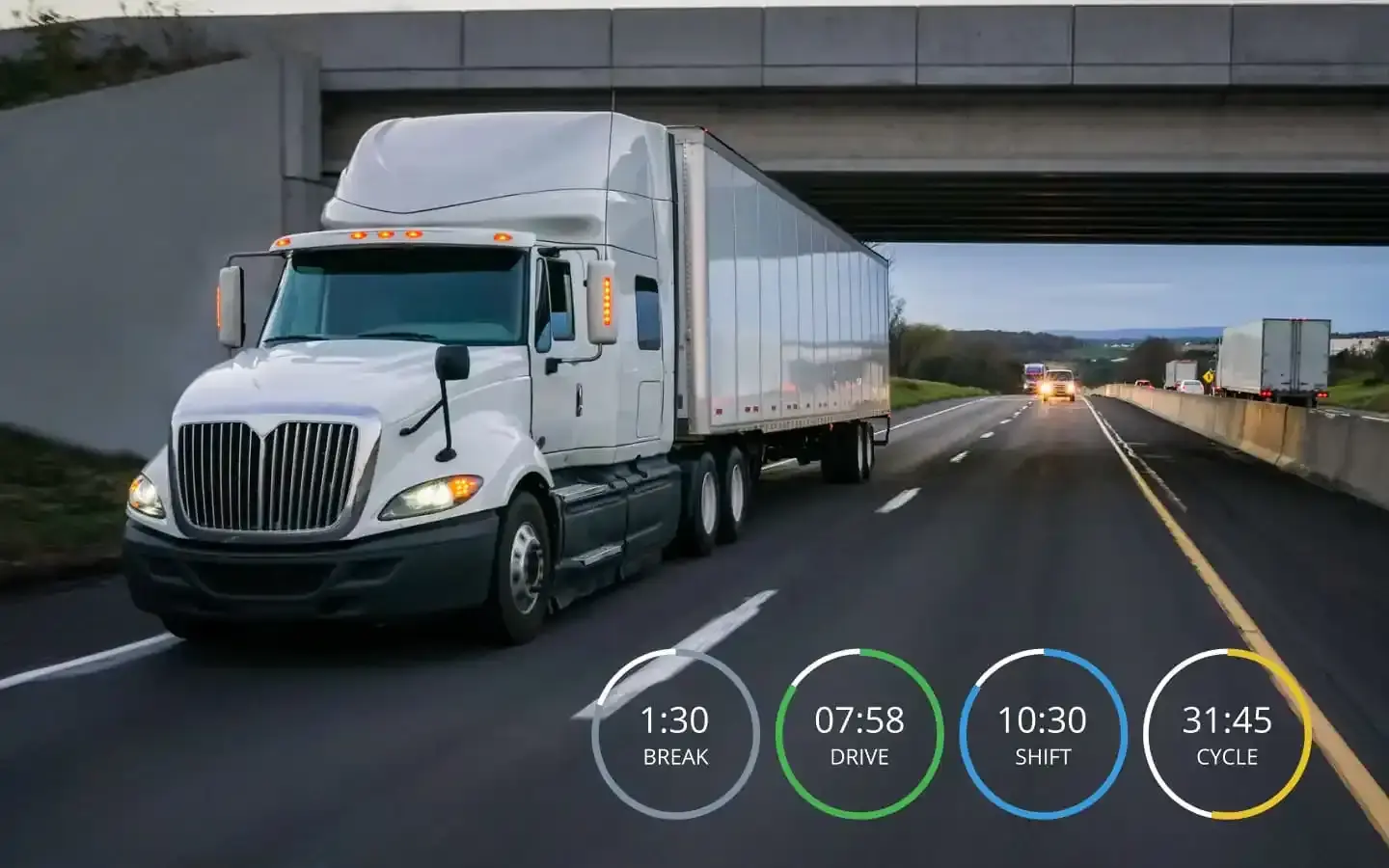
The OTR lifestyle differs dramatically from local driving. Drivers often live out of their trucks, using sleeper cabs equipped with beds, storage, and basic amenities. Federal Hours of Service (HOS) rules limit driving time, but drivers still spend long days behind the wheel.
Most OTR drivers operate under:
- An 11-hour daily driving limit
- A 14-hour on-duty window
- Mandatory rest breaks and weekly reset requirements
While OTR driving can offer higher earning potential, it demands adaptability. Drivers manage irregular schedules, limited home time, and the mental strain of extended isolation. For fleets, retention hinges on balancing miles with predictable rest and maintenance support.
OTR vs. Regional vs. Local Trucking: Key Differences
Understanding how OTR compares to regional and local trucking helps fleet managers choose the right operational model and recruit the right drivers.
Distance and Territory
The most visible difference is geographic scope. Local routes stay close to terminals, regional routes expand across defined areas, and OTR routes have virtually no boundaries.
Here’s how territory typically breaks down:
- Local: 50–150 miles per day, same metro area
- Regional: 300–1,000 miles, multi-state but limited region
- OTR: 1,000+ miles, nationwide coverage
This difference affects everything from dispatch planning to maintenance intervals.
Home Time and Work-Life Balance
Home time is a major driver preference factor. Local drivers usually return home daily, while regional drivers often get home weekly. OTR drivers may be away for weeks, depending on fleet policy.
From a management perspective, longer absences complicate communication, health monitoring, and vehicle inspections. Fleets must rely on digital tools rather than in-person check-ins to maintain oversight.
Pay Structure Differences
Compensation varies by route type and carrier, but OTR drivers often earn more due to higher mileage and per-diem pay structures. Many OTR drivers are paid per mile, with average annual earnings commonly ranging from $65,000 to $90,000, depending on experience and freight type.
Local drivers are more likely to earn hourly wages with overtime, while regional drivers may fall somewhere in between. Higher OTR pay reflects both the workload and lifestyle tradeoffs.
The Unique Maintenance Challenges of OTR Fleets
OTR operations place intense demands on equipment. Trucks run longer hours, accumulate miles faster, and operate far from home terminals, which changes how maintenance must be managed.
Higher Mileage Accumulation
An OTR truck can log 120,000 to 150,000 miles per year, compared to 60,000–80,000 for many local units. This accelerated usage shortens maintenance intervals and increases wear on critical components.
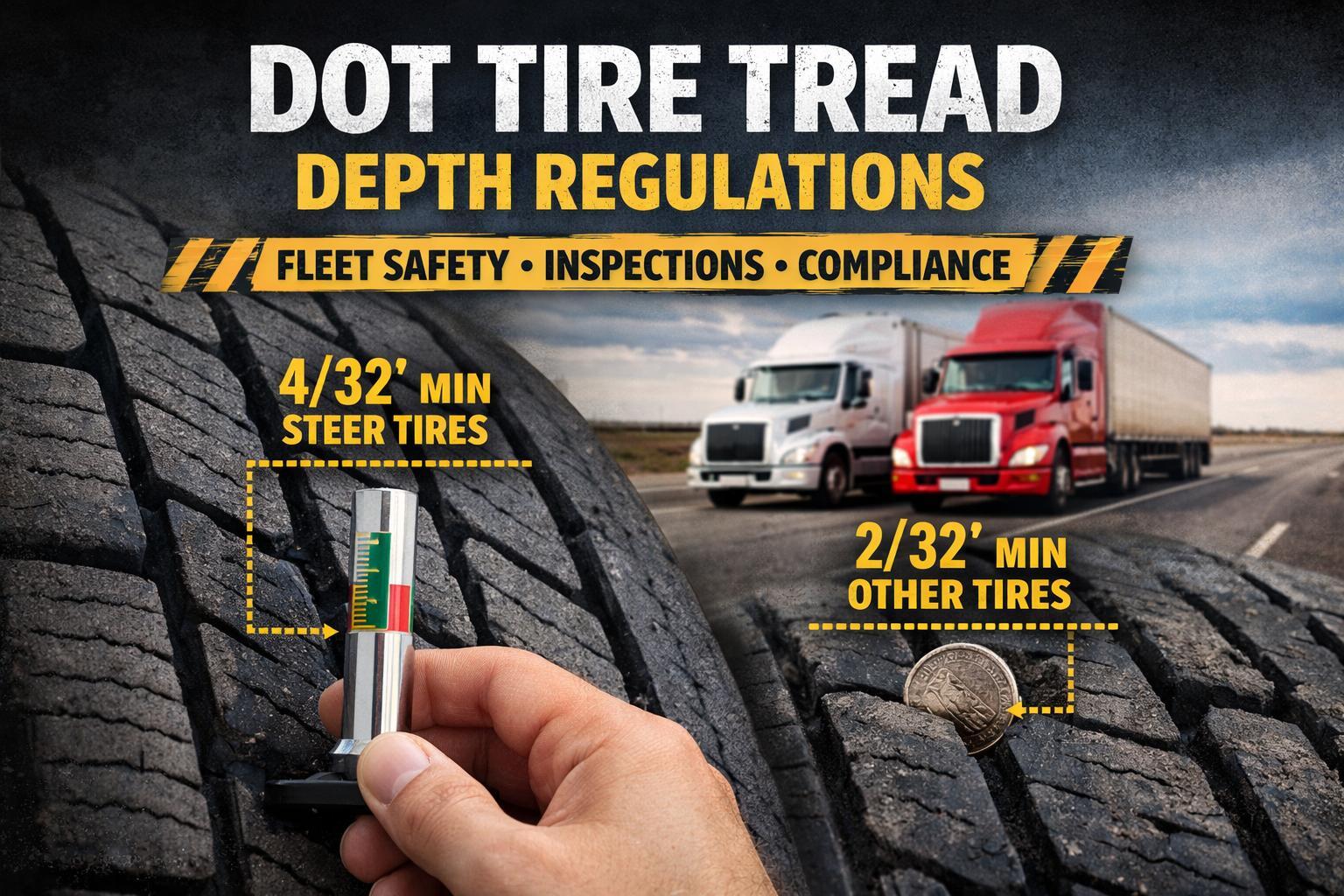
Oil changes, brake inspections, tire replacements, and suspension checks must happen more frequently. Missing a service window on an OTR truck can quickly snowball into downtime or roadside failures.
Many fleets rely on structured maintenance programs, like those outlined in fleet preventive maintenance scheduling, to keep pace with mileage-driven service needs.
Remote Breakdown Risks
Breakdowns are more costly when they happen hundreds of miles from home. Towing, emergency repairs, and lost revenue quickly add up, especially if parts are unavailable or repairs require extended shop time.
Remote breakdowns also disrupt delivery schedules and driver hours, sometimes triggering compliance issues. Fleets that lack centralized maintenance records may struggle to authorize repairs quickly, delaying resolution.
Preventive Maintenance Scheduling Complexity
Scheduling preventive maintenance is harder when trucks rarely return to the terminal. Fleets must coordinate service stops along routes, often relying on third-party shops with varying service standards.
Without a centralized system, tracking what was serviced, when, and where becomes fragmented. This is where digital maintenance tracking tools play a critical role in maintaining consistency across locations.
Technology and Tools for Managing OTR Fleet Operations
Modern OTR fleets fleets rely on technology to maintain visibility and control despite distance and time constraints.
GPS Tracking and Route Monitoring
GPS tracking allows dispatchers to monitor truck locations, optimize routes, and respond quickly to delays or emergencies. For maintenance teams, location data helps identify nearby service providers when issues arise.
Route monitoring also supports proactive planning by identifying patterns in idle time, harsh driving, and fuel usage that contribute to maintenance costs.
Digital Maintenance Management
Digital maintenance platforms centralize service records, inspections, and repair histories in one system accessible from anywhere. This is especially valuable for OTR fleets managing vehicles across multiple states.
With tools like AUTOsist, fleet managers can:
- Track maintenance by mileage or engine hours
- Log repairs performed at remote shops
- Monitor upcoming service needs in real time
- Maintain consistent records regardless of location
This approach aligns well with strategies discussed in how to track fleet maintenance, especially for high-mileage operations.
ELD Compliance and Hours of Service
Electronic Logging Devices are mandatory for most OTR operations. ELDs automatically record driving time, ensuring compliance with federal HOS rules.
Beyond compliance, ELD data helps fleets identify operational inefficiencies. Excessive idle time or repeated violations may signal training gaps or scheduling issues that also impact maintenance and safety.
Is OTR Trucking Right for Your Fleet?
OTR operations can be profitable, but they aren’t the right fit for every business. Evaluating operational readiness is essential before expanding into long-haul routes.
When OTR Makes Business Sense
OTR trucking works best for fleets serving national customers or operating in long-haul freight lanes. Businesses with consistent coast-to-coast demand can justify the investment in equipment and driver support.
OTR may make sense if your fleet:
- Serves distribution centers or ports across regions
- Has stable, high-volume freight contracts
- Can support extended driver absences
- Operates newer, reliable equipment
Operational Requirements to Consider
OTR fleets face higher upfront costs and operational complexity. Recruiting and retaining drivers is more challenging, and maintenance systems must function without physical proximity to vehicles.
Key considerations include:
- Capital investment in sleeper-equipped tractors
- Nationwide repair network access
- Strong compliance and recordkeeping processes
- Scalable maintenance tracking systems like fleet maintenance software