 Miya Bholat
Jun 15, 2026
Why Fleet Priorities Get Lost in Busy Weeks?
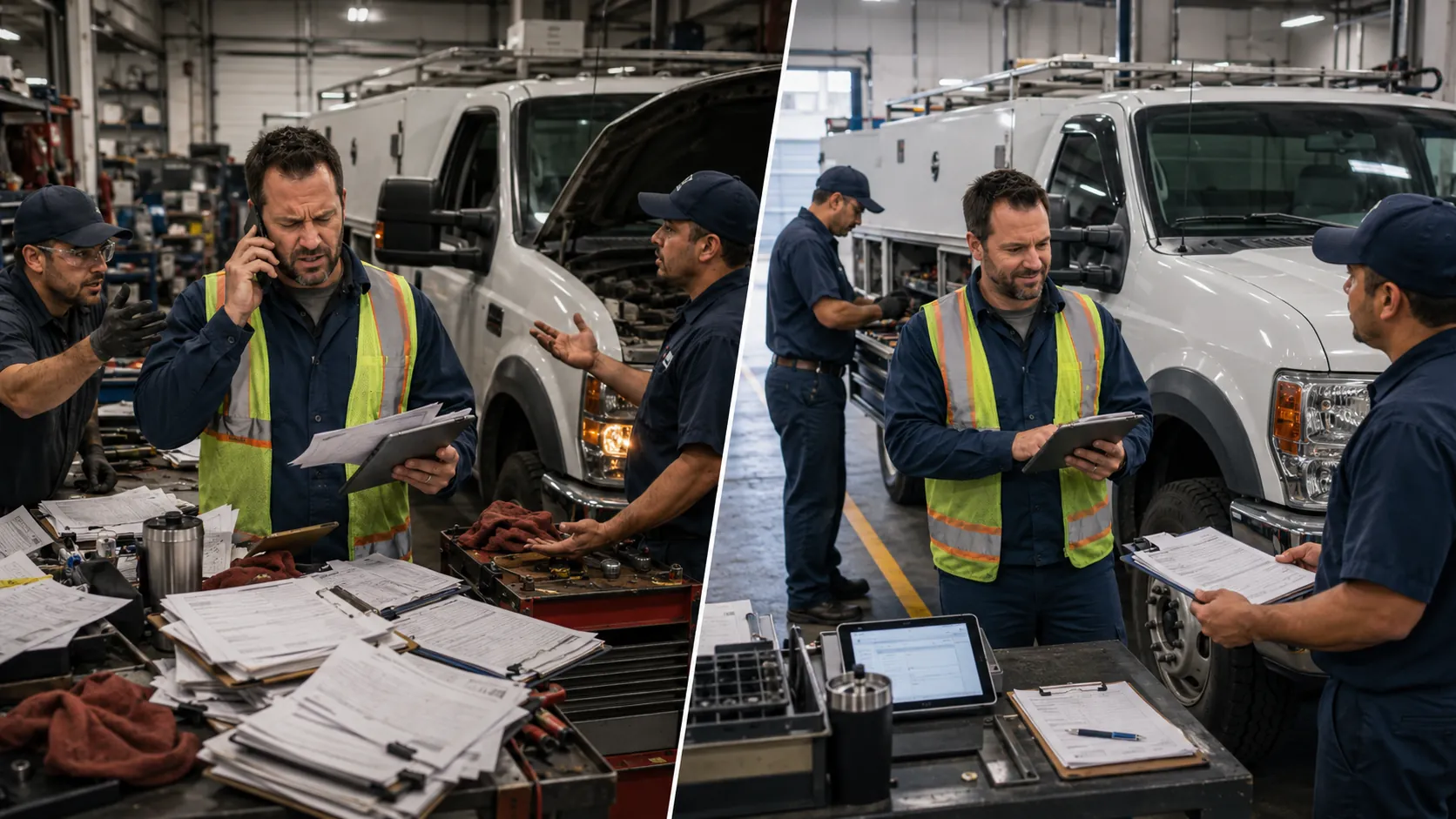
It is a hectic Monday. Dispatch keeps calling, a driver has reported a breakdown, and three vehicles are overdue for service, yet none of those issues made it onto a shared task list. Fleet priorities get lost during busy weeks because urgent events change the plan faster than people can update disconnected notes, messages, and spreadsheets. A centralized fleet management software system keeps each priority visible, assigned, and documented even when the day changes by the hour.
The problem stays hidden during quiet weeks because managers have time to check calendars and chase updates. High volume weeks remove that extra time, turning small communication gaps into overdue maintenance, incomplete inspections, and unclear vehicle status.
Key Takeaways
- Busy weeks expose weak systems. Heavy workloads reveal workflows that depend on memory and manual follow up.
- Urgent work pushes important work aside. Breakdowns receive attention while preventive service and inspections quietly pass their due dates.
- Verbal assignments offer little protection. Spoken instructions, texts, and sticky notes lack a reliable owner, status, and completion record.
- Centralized visibility prevents silent delays. A shared dashboard shows what is overdue, active, blocked, and coming next.
- Software protects priorities without removing flexibility. Teams can handle emergencies while preserving work that still needs attention.
The Real Reason Fleet Tasks Fall Through the Cracks
Fleet tasks do not disappear simply because everyone feels busy. They disappear because the workflow cannot absorb change. Reactive work replaces planned work, one person becomes the unofficial source of truth, and nobody updates the original schedule after the emergency ends.
Many common fleet management mistakes follow this pattern. The team solves the breakdown but fails to protect the work it displaced. By Friday, the repair is complete, but the oil change, inspection, vendor follow up, and document renewal are still waiting.
When Urgent Beats Important Every Time
A breakdown demands attention because a vehicle, route, or customer may already be affected. The oil change scheduled for that afternoon feels less urgent, so the team moves it without assigning a new date or owner.
Consider a hypothetical calculation. The planned service costs $40. If repeated delays contribute to a roadside failure, the fleet might pay $350 for towing, $400 for four technician hours, and $550 for replacement transportation or lost use. That creates $1,300 in disruption before counting driver time or customer impact.
A structured fleet preventive maintenance schedule does not stop emergencies, but it keeps displaced service from disappearing afterward.
The Hidden Cost of Verbal Task Management
Fleet teams often assign work through yard conversations, texts, or notes near the keys. These methods take seconds, but they create no dependable record of who accepted the task, when it is due, or whether anyone completed it.
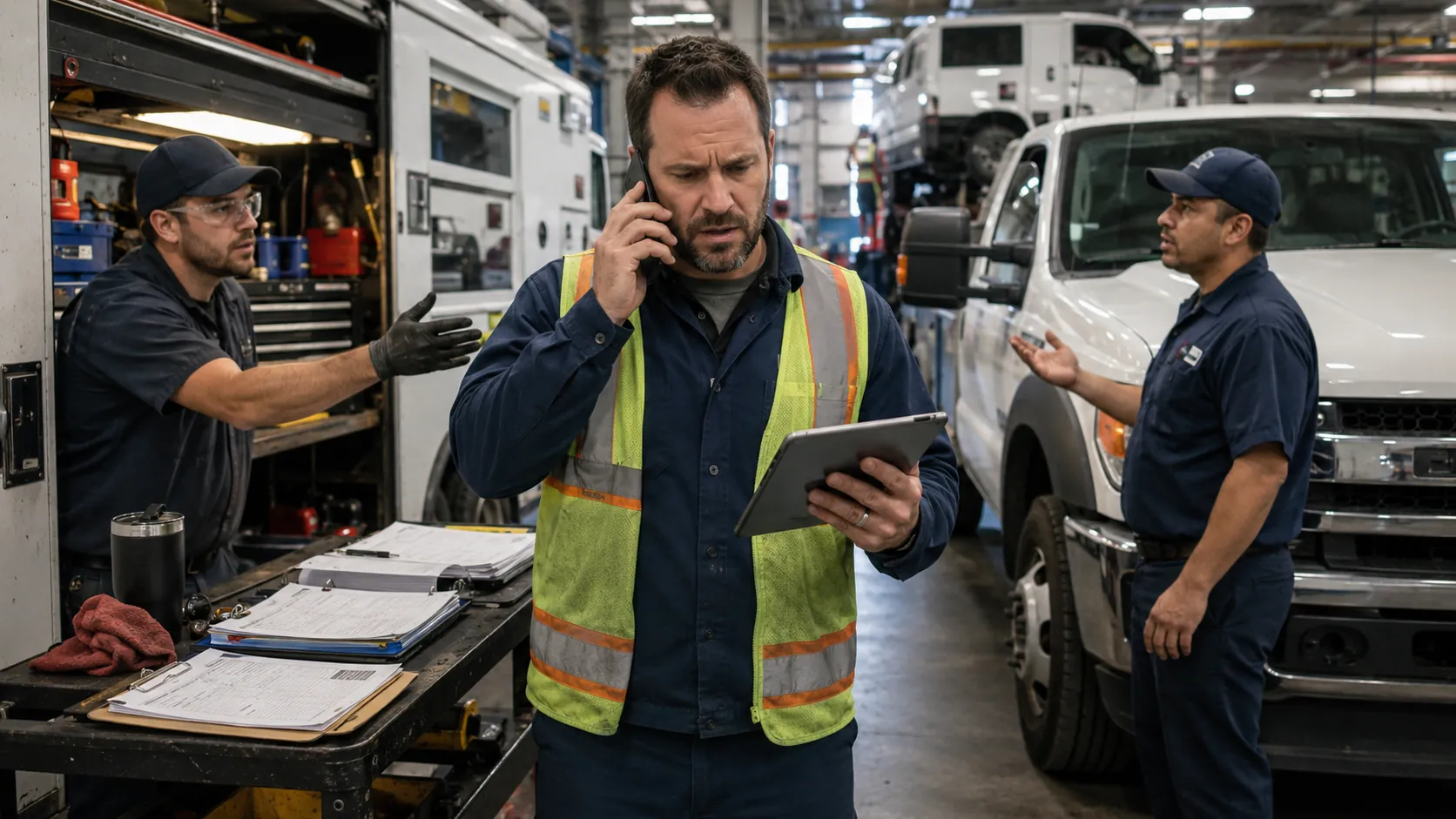
Workplace communication research consistently finds that a significant share of spoken instructions can be forgotten, misunderstood, or left unverified when teams do not record and reinforce them. Fleet work increases the risk because employees move between vehicles, locations, shifts, and urgent requests.
By afternoon, the manager assumes the mechanic handled the task, the mechanic thinks dispatch reassigned the vehicle, and the next shift does not know the task existed.
How Busy Weeks Expose Gaps in Your Fleet Workflow
A demanding week acts as a stress test. Any process that relies on one person remembering everything will weaken when that person must manage drivers, compliance dates, fuel concerns, inspections, vendors, and breakdowns at once.
This pressure is especially visible in service fleet operations, where one unavailable vehicle can disrupt several appointments. Every schedule change creates another task that someone must record, assign, and review.
How Busy Weeks Affect Fleet Priorities
| Pressure during the week | What usually goes wrong | Priority placed at risk | Immediate control |
|---|---|---|---|
| An unexpected breakdown | Planned maintenance loses its time slot | Preventive service | Assign a new owner and due date before closing the repair |
| A driver calls out | Vehicles and routes get reassigned quickly | Inspections and service appointments | Check maintenance status before assigning replacement vehicles |
| A vendor delays parts | Related work remains open without a clear next step | Repair completion | Record the delay, expected date, and responsible follow up person |
| Dispatch adds urgent jobs | Available vehicles stay on the road longer | Mileage based maintenance | Review service thresholds before extending vehicle use |
| A shift changes | Spoken instructions do not reach the next team | Open defects and unfinished repairs | Require a written digital handoff |
| A compliance deadline approaches | The reminder stays buried in email | Registrations, inspections, and documents | Use shared alerts with a named owner |
Each situation creates a legitimate operational demand. The priority gets lost when the team changes the plan without recording what moved, who now owns it, and when it must return to the schedule.
Maintenance Schedules That Were Never Centralized
If service intervals live in one spreadsheet, notebook, or manager's head, the team cannot act confidently when that person gets pulled away. The problem grows when mileage sits in one file, invoices in another, and vendor updates in email.
The limits of spreadsheets compared with fleet management software become obvious under pressure. A sheet can store a date, but it cannot reliably confirm that someone saw the change, accepted the task, completed the work, and updated the vehicle record.
Centralized vehicle service history records let the team confirm what happened, what comes next, and whether a recurring problem needs attention.
No Visibility Into What's Actually Overdue
A manager cannot manually audit every vehicle during a busy Friday afternoon. In a fleet of 30 vehicles, even a three minute review per vehicle takes 90 minutes. Checking mileage, inspections, documents, open repairs, and vendor notes can push that closer to two hours.
A live fleet reports dashboard brings overdue and upcoming items into one view. Managers can review exceptions first instead of opening 30 separate records.
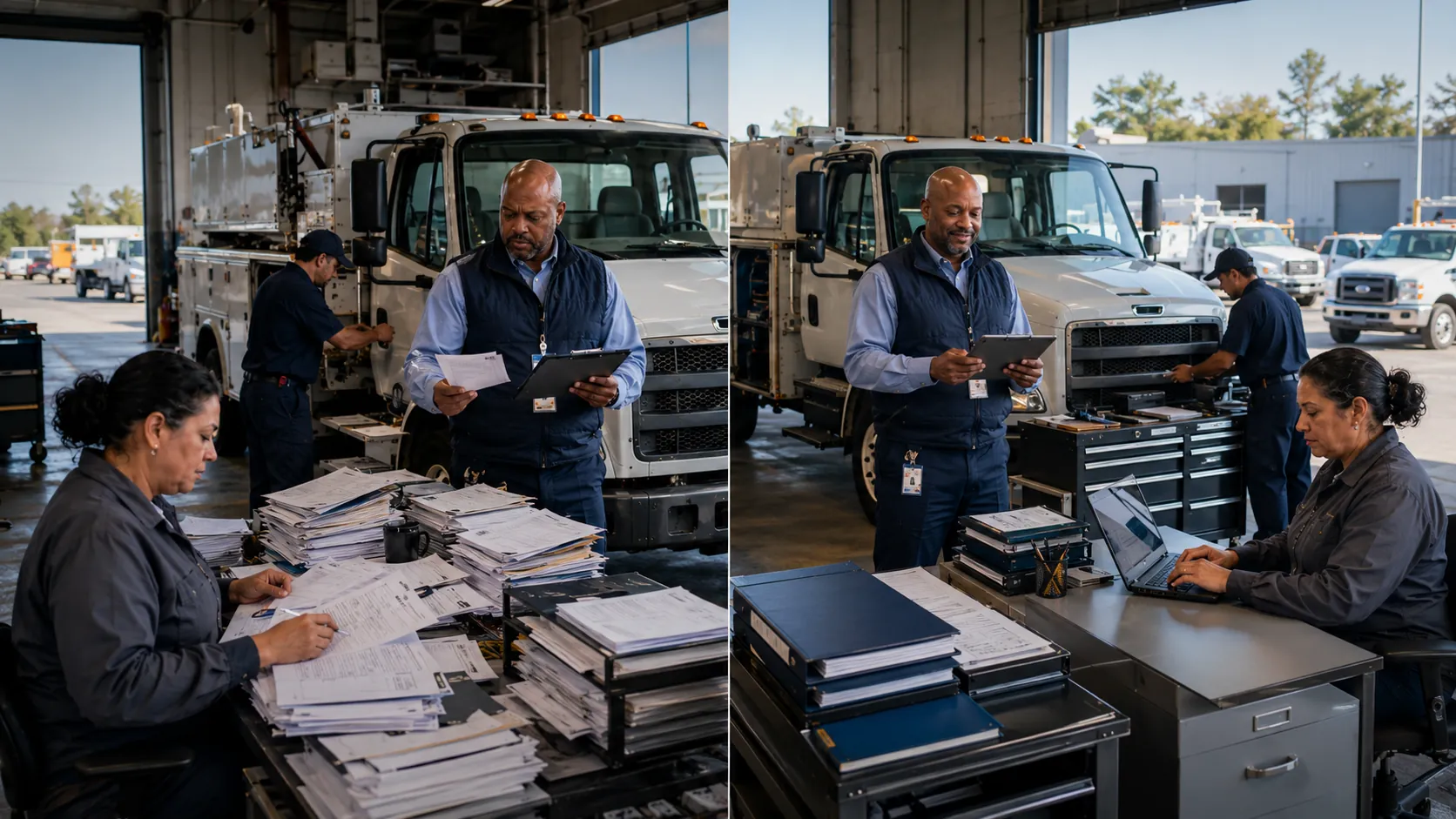
The comparison below shows how the same pressure produces different outcomes:
The Domino Effect of One Missed Fleet Priority
A brake inspection slips past its date because the vehicle stays on a route. The driver later reports poor braking performance, but the message reaches the wrong person. A roadside check identifies the defect and removes the vehicle from service.
Dispatch now has one fewer vehicle. A driver waits for a replacement, a delivery starts late, and the customer receives another delay. One overlooked inspection now affects maintenance, dispatch, labor, service quality, and revenue.
Using a planning range of $450 to $750 in downtime cost per vehicle per day, two days out of service can represent $900 to $1,500 before repairs. A digital vehicle inspection app helps break this chain by moving reported defects into a visible maintenance record.
What Fleet Managers Say Causes the Most Priority Loss
Fleet managers usually point to the same operational problems:
- Last minute driver requests override scheduled maintenance windows.
- No single system shows task status across shifts.
- One dispatcher or manager holds too much information in memory.
- Inspection reminders get buried in email inboxes.
- Vendor delays disrupt related maintenance work.
- Compliance deadlines approach without automated alerts.
These problems share one cause: the fleet has information, but that information does not move through a consistent workflow. The team needs a system that keeps priorities visible while conditions change.
How Fleet Management Software Keeps Priorities Intact Under Pressure
Purpose built software gives every task a visible place, owner, status, and history. It does not make the week less busy. It lets the team change today's plan without erasing tomorrow's obligations.
An integrated fleet management system also reduces the need to rebuild the full story from separate inspections, service files, texts, and spreadsheets.
Automated Alerts That Don't Depend on Anyone's Memory
Automated reminders remove memory from the follow up loop. When a vehicle approaches a mileage threshold, service interval, inspection date, or document deadline, the system flags the requirement and notifies the right person.
The alert stays tied to the vehicle even if dispatch changes the route, the manager leaves early, or the assigned employee moves to another task. The priority may shift, but it does not disappear.
Centralized Task Dashboards Across Your Entire Fleet
A live dashboard gives managers and dispatchers a shared view of overdue, active, blocked, and upcoming work. Nobody needs to search several sheets or ask multiple people for the latest status.

AUTOsist brings maintenance records, reminders, inspections, and fleet status into a centralized environment. During a difficult week, teams can quickly decide which vehicle can stay in service, which repair needs approval, and which planned task needs a new date.
Accountability Trails That Survive Shift Changes
Digital task logs protect context during handoffs. The next employee can see what the previous shift completed, which parts were ordered, why the vehicle remains unavailable, and what should happen next.
A fleet maintenance work order system records assignments, notes, labor, parts, and completion status. Paper notes and spoken updates cannot provide the same continuity when several people touch one vehicle.
A practical priority protection workflow follows five steps:
1. Capture: Record the issue, due task, or request in the shared system.
2. Rank: Classify it by safety, compliance, operational impact, and due date.
3. Assign: Give the task one owner and a realistic completion time.
4. Verify: Require a status update, inspection result, or work record.
5. Review: Recheck displaced priorities before the shift closes.
Practical Steps to Protect Fleet Priorities This Week
Fleet managers can strengthen the process immediately:
- Audit the current task assignment method and confirm everyone can access it.
- Identify the three vehicles most likely to have overdue maintenance.
- Set a recurring Friday review for 15 minutes.
- Assign one person as the weekly priority owner.
- Move one recurring reminder out of email and into a shared system.
- Define what urgent means so every request does not override important work.
These actions are starting points, not a complete operating system. They reduce dependence on memory, make ownership visible, and create a regular moment for recovering work that emergencies displaced.
Weekly Fleet Priority Review Checklist
| Review question | What to check | Action when the answer is unclear |
|---|---|---|
| Which tasks became overdue this week? | Maintenance, inspections, documents, and repairs | Assign a new completion date and owner |
| Which vehicles have the highest operational risk? | Open defects, high mileage, warning signs, and repeat repairs | Review them before the next dispatch cycle |
| Which jobs are waiting on vendors or parts? | Purchase status, delivery date, and repair dependency | Record the next follow up date |
| Did any emergency replace planned work? | Cancelled service appointments and delayed inspections | Return the displaced task to the active schedule |
| Does every open task have one owner? | Names, due dates, and current status | Assign responsibility before the review ends |
| What must happen before Monday dispatch? | Safety issues, vehicle availability, and compliance deadlines | Escalate anything that could stop a vehicle from operating |
A 15 minute review cannot solve every fleet problem, but it can prevent unfinished work from disappearing into the next week. The goal is to leave every open priority with a visible status, one owner, and a defined next action.
Conclusion: Busy Weeks Will Keep Coming. Your Priorities Don't Have To Get Lost.
Fleet operations will always have chaotic stretches. Vehicles fail, drivers call, vendors delay parts, and customer needs change. The teams that stay organized do not necessarily have lighter workloads. They use better systems to preserve visibility and accountability when demand rises.
AUTOsist helps fleet teams keep maintenance, inspections, reminders, and task records connected under pressure. Fleet managers can explore the platform or start a trial when they are ready to replace scattered follow up with a dependable workflow.
Frequently Asked Questions
-
Why does fleet maintenance get skipped when the team is slammed?
Emergency work has an immediate impact, so the team focuses on it first. Maintenance gets skipped when nobody records a new date, owner, or follow up action for the work that emergency displaced. -
How do I know which fleet tasks to prioritize first?
Start with safety and legal compliance, then consider vehicle availability, customer impact, and risk of further damage. Work that could make a vehicle unsafe or noncompliant should rank first. -
What happens if we miss a scheduled vehicle inspection?
The fleet may miss a defect before it becomes a roadside failure, violation, or expensive repair. The consequence depends on the inspection type, but risk rises while the vehicle continues operating unchecked. -
How does fleet software help manage tasks during high demand weeks?
Fleet software keeps due work, defects, assignments, reminders, and status changes in one shared system. Managers can handle emergencies while still seeing work that needs rescheduling or completion. -
What is the best way to keep a fleet maintenance schedule on track?
Centralize the schedule, automate reminders, assign one owner per task, and review overdue work weekly. The process works best when service records and current mileage update the same system.