 Miya Bholat
Jun 12, 2026
How Compliance Changes Drive Government Fleet Costs?
Small compliance changes drive government fleet costs because every new rule affects more than one task. A minor inspection update, emissions requirement, driver certification change, or reporting standard can create extra labor, new documentation, retraining, missed service windows, and unexpected repairs across dozens or hundreds of public vehicles. Government fleet teams can control these costs by connecting compliance work to fleet management software and building clear tracking processes for inspections, renewals, driver records, and maintenance schedules.
For public agencies, the impact is even higher because budgets are fixed, approval cycles are slow, and fleet decisions are visible to taxpayers. A small rule that looks simple on paper can become a budget issue when a city, county, or public works team has to apply it across every vehicle in a government fleet management operation.
Key Takeaways
-
Small rule changes create large cost chains:
A compliance update can trigger inspections, documentation work, training, repairs, and replacement planning. -
Government fleets have less budget flexibility:
Public sector teams often need approvals before moving money between maintenance, staffing, and compliance needs. -
Documentation controls audit risk:
Organized records reduce repeat inspections, missed renewals, and avoidable administrative costs. -
Compliance costs should be calculated before rollout:
Fleet managers should estimate labor, parts, downtime, software, training, and staff time before a rule hits the budget. -
A compliance calendar prevents last minute spending:
Scheduled reminders for inspections, registrations, certifications, and emissions tests help teams avoid rush fees and emergency work. -
Fleet software makes compliance easier to manage:
Centralized records, alerts, inspection forms, and reporting dashboards help teams track requirements before they become expensive surprises.
Why Government Fleets Are Uniquely Vulnerable to Compliance Costs
Government fleets operate under heavier pressure than many commercial fleets because they must balance safety, public accountability, procurement rules, budget limits, and regulatory mandates at the same time. A private company may approve a quick software upgrade or vehicle repair internally, but a public agency may need budget review, vendor approval, department signoff, or board approval before acting.
That slower process makes small compliance changes more expensive. If a state rule changes in March but the agency budget was approved the previous fall, the fleet manager has limited room to absorb the cost. The team still needs to stay compliant, but the money may not be sitting in the right line item.
This is why many agencies now look at modern fleet management software for government fleets as part of their compliance planning. The goal is not just to track vehicles. It is to create a clearer system for showing what changed, what it costs, and what action the agency needs to take.
The Hidden Cost Multiplier in Public Sector Fleet Management
Compliance costs rarely arrive as one clean bill. They usually compound through several small operational changes. A state emissions update might only require one new inspection step, but that step can affect scheduling, technician time, vendor appointments, paperwork, and repair decisions.
For example, imagine a state updates emissions rules for diesel service vehicles. The rule may require annual testing for a vehicle class that was previously tested every two years. A city with 90 affected vehicles now has to schedule extra inspections, pull vehicles from service, document results, repair failed vehicles, and report completion. Even if each inspection only costs $95, the total cost becomes much larger when staff time and downtime are included.
Government fleets feel this multiplier because every vehicle often supports a public service. If sanitation trucks, public works vehicles, police units, or maintenance vans are unavailable, the cost is not just mechanical. It can affect service delivery, overtime, and public response time.
The Most Common Small Compliance Changes That Quietly Inflate Fleet Budgets
Most compliance changes do not look alarming when they first appear. They may come as a memo, a state notice, a procurement update, a reporting requirement, or a revised inspection standard. The problem starts when the fleet team has to turn that policy language into daily work.

Common changes that can affect government fleet costs include:
- New emissions or idle time limits
- Updated driver qualification rules
- More frequent inspections
- New digital reporting formats
- Additional document retention requirements
- Revised vehicle accessibility or safety standards
Each item may look manageable alone, but fleets rarely deal with only one change at a time. When several small updates overlap, the budget impact can show up as higher labor hours, more vendor invoices, extra administrative work, and delayed maintenance.
Emissions and Environmental Regulation Updates
Environmental rules can create some of the most expensive compliance changes because they often affect equipment, maintenance planning, and replacement cycles. Updated idle time limits may require driver retraining and monitoring. New clean air rules may require retrofits, additional inspections, or earlier replacement of older vehicles.
Even a one page regulation update can create real cost pressure. If a county fleet must add DEF related checks to inspection routines, the added time per vehicle may seem small. But across 150 vehicles, that extra time can become hundreds of labor hours per year.
These changes also create planning issues. If older vehicles no longer meet state requirements, the agency may need to accelerate replacement before the capital budget is ready. That can force tradeoffs between compliance, service needs, and long term fleet planning.
Driver Qualification and Licensing Requirement Shifts
Driver rules can also increase costs quickly. Changes to CDL requirements, medical certification standards, hours of service rules, or department level driver policies can create training needs and staffing gaps. A driver who is temporarily out of compliance may not be able to operate certain vehicles until records are updated.
The direct cost might include training fees, medical exams, or license renewals. The hidden cost comes from scheduling disruption. If five drivers need updated certification during a busy season, the agency may pay overtime, shift routes, or delay work.
Using a central system for fleet user and driver management helps fleet managers track driver records, roles, and renewal dates in one place. That reduces the chance of discovering expired qualifications only after a vehicle assignment has already been made.
Inspection Frequency and Reporting Standard Changes
Inspection changes often look small because they affect process more than parts. A new inspection interval, digital submission rule, or documentation requirement may only add a few minutes per vehicle. But once applied across the fleet, it can consume technician time, supervisor review time, and administrative processing time.
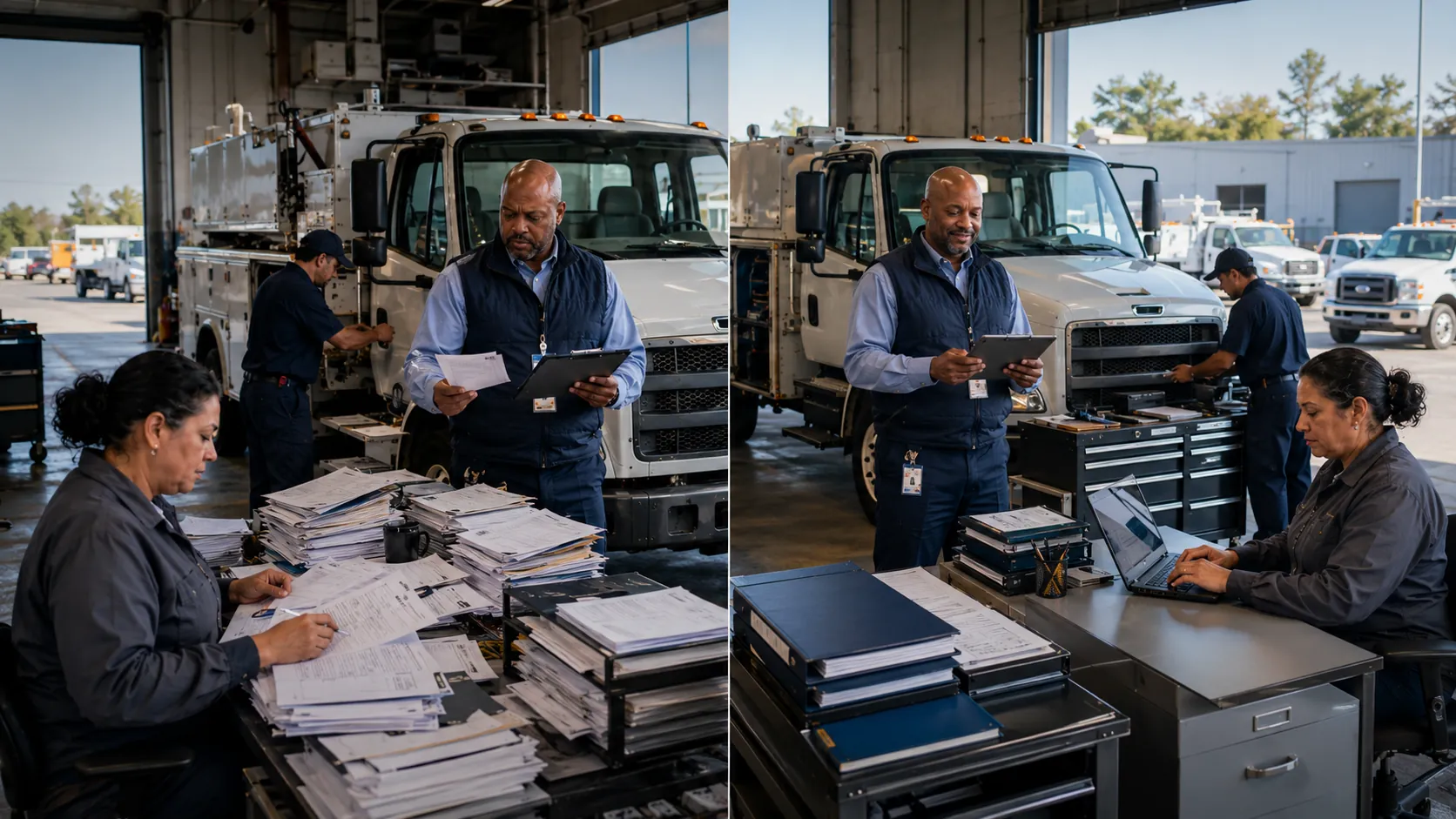
A digital reporting requirement can also expose weak record keeping. If inspection forms live in binders, spreadsheets, email threads, and department folders, the team may spend more time finding proof than completing the inspection itself.
A digital vehicle inspection app can help standardize inspection records and make it easier to show what was checked, when it was checked, who completed it, and what follow up work was required.
How to Calculate the Real Cost of a Compliance Change on Your Fleet
Fleet managers should estimate the full cost of a compliance change before the rule becomes a budget problem. The real cost includes more than parts or vendor fees. It should include labor, downtime, staff administration, training, reporting, and any software or process updates needed to stay compliant.
Here is a simple example. A new state rule requires annual brake inspections on all vehicles over 10,000 pounds. The fleet has 120 vehicles. Each inspection costs $85 in labor and $40 in average parts. That equals $125 per vehicle, or $15,000 per year. If administrative processing takes 1.5 hours per vehicle, the team also adds 180 staff hours.
| Cost Area | What Usually Changes | Example Government Fleet Impact |
|---|---|---|
| Vehicle inspections | New inspection steps, shorter intervals, or added documentation | 120 vehicles needing annual brake inspections can add about $15,000 in direct inspection costs |
| Administrative labor | More forms, approvals, filing, and compliance review time | 1.5 hours per vehicle across 120 vehicles creates 180 extra staff hours |
| Driver compliance | Updated license, medical certification, or training requirements | Drivers may need retraining or temporary reassignment until records are current |
| Vehicle downtime | Vehicles are pulled from service for inspections, repairs, or testing | Public works or service vehicles may need backup units or overtime coverage |
| Repair follow up | Failed inspections trigger corrective maintenance or vendor repairs | Minor findings can become unexpected mid year repair expenses |
| Reporting and audits | More proof is required for inspections, repairs, and certifications | Disorganized records can create repeat inspections, staff delays, or audit problems |
A practical compliance cost estimate should include:
- Number of affected vehicles
- Labor cost per vehicle
- Parts or vendor cost per vehicle
- Staff processing hours
- Downtime or replacement vehicle needs
- Training or software updates
This calculation gives fleet managers stronger support when requesting budget adjustments. It also helps explain why a small rule change may need funding before it creates missed deadlines or service interruptions.
Proactive vs. Reactive: How Government Fleet Managers Can Get Ahead of Compliance Costs
Reactive compliance is expensive because the work happens under pressure. Vehicles get pulled from service at the wrong time, records are missing, staff rush to complete forms, and departments pay more for urgent repairs or vendor support.
Proactive compliance costs less because the work becomes part of the normal maintenance rhythm. Fleet managers can plan around known deadlines, build reserve funds, and use reporting data to justify spending before the issue becomes urgent.
Building a Compliance Calendar Into Your Fleet Maintenance Schedule
A compliance calendar connects recurring regulatory tasks to the maintenance schedule. Instead of tracking inspections, registrations, emissions tests, certifications, and permits separately, the fleet team can map them into one planning view.
This works best when compliance tasks are attached to vehicles, drivers, and deadlines. For example, emissions tests can be scheduled before registration renewal. Brake inspections can be grouped with preventive maintenance. Driver certifications can be reviewed before seasonal staffing changes.
A strong calendar should track:
- Vehicle registrations and renewals
- Emissions and safety inspections
- Driver licenses and medical certifications
- Required maintenance intervals
- Permit and insurance documentation
- Audit preparation deadlines
Tools for fleet preventive maintenance schedules make this easier because compliance work can be scheduled alongside service tasks instead of handled as a separate manual process.
Creating a Compliance Change Budget Reserve
Government fleet managers should consider a small budget reserve for regulatory changes. This does not need to be a large fund. Even 2 to 4 percent of the annual maintenance budget can help absorb inspection updates, document changes, driver retraining, or unexpected compliance repairs.
The key is to justify the reserve with data. Fleet managers can show past examples of compliance costs, such as added inspection fees, emergency repairs, overtime, or audit preparation hours. A reserve becomes easier to approve when budget committees see that it protects service continuity.
A reserve also prevents small compliance changes from stealing money from preventive maintenance. Without a dedicated reserve, agencies may delay planned service to cover new requirements. That can create larger repair costs later.
Using Fleet Management Software to Track Regulatory Deadlines
Fleet management software helps government teams reduce compliance risk by centralizing reminders, records, inspections, and reports. Instead of relying on spreadsheets, paper files, and memory, teams can track expiration dates, inspection status, service history, and document requirements in one place.
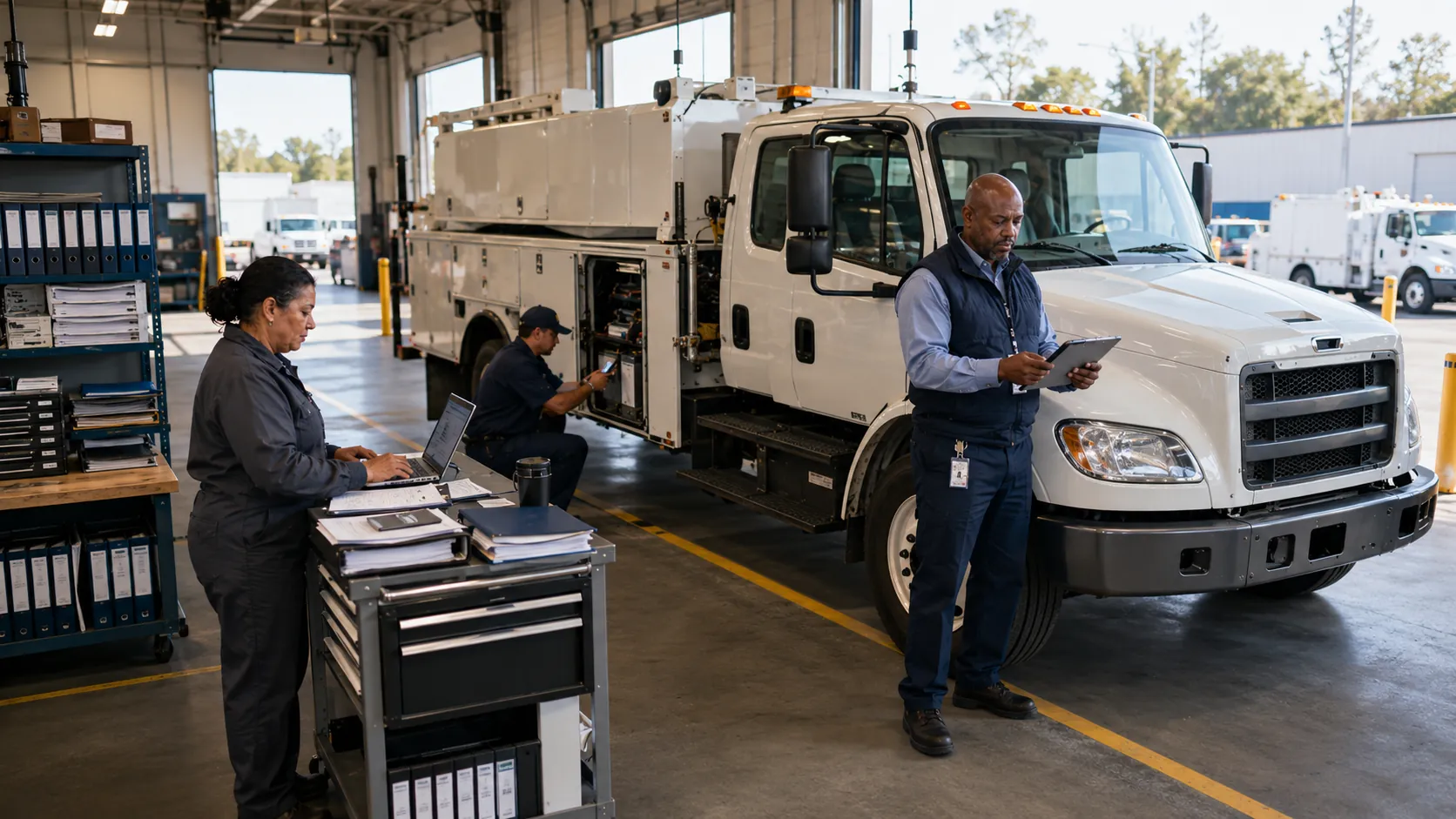
AUTOsist can support this process through inspection tracking, maintenance reminders, service records, document storage, and reporting dashboards. A fleet manager can see which vehicles are due for inspections, which documents are missing, and which compliance tasks are overdue before they turn into fines or service issues.
This also reduces administrative work. When records are organized, staff spend less time searching through old files and more time acting on the next required task. For agencies trying to reduce manual workload, the process connects naturally with ways to reduce fleet manager administrative workload.
Real World Examples of Small Compliance Changes That Became Big Budget Problems
A county fleet underestimated the rollout effort for electronic logging requirements. The technology cost was manageable at first, but the county did not budget enough for driver training, policy updates, supervisor review time, and support calls. Within six months, the fleet had spent more on training and overtime than on the original devices.
A city public works department faced a mid year emissions reclassification for several diesel vehicles. The rule affected only part of the fleet, but the city had to inspect vehicles, repair failed units, and adjust replacement planning. Because the budget did not include the change, the department delayed other maintenance work to stay compliant.
A small transit authority underestimated updated ADA accessibility compliance. A few vehicle modifications seemed simple at first, but vendor scheduling, parts availability, inspection documentation, and route coverage made the total cost far higher than expected. The agency also needed better repair history to show what had been completed on each vehicle.
These scenarios show a common pattern. The rule itself may be small, but the operational response is not. Government fleets that connect compliance changes to planning, documentation, and reporting can reduce the surprise factor.
The Role of Documentation and Record Keeping in Controlling Compliance Costs
Documentation is one of the easiest ways to control compliance costs, but it is often treated as an afterthought. Poor records turn small issues into bigger problems because the agency cannot prove what was done, when it was done, or who completed the work.
When inspection reports, repair histories, registration documents, and driver records are scattered, audits take longer. Missing records can lead to repeat inspections, failed audits, fines, or extra staff hours. Even when the fleet completed the work correctly, weak documentation can make the agency look unprepared.
A centralized vehicle document management system helps teams keep compliance records connected to the right vehicle or driver. When paired with vehicle service history, it becomes easier to show the full maintenance and compliance trail during an audit.
What Auditors Actually Look For in Government Fleet Records
Auditors usually want proof that the agency has a repeatable process, not just a pile of documents. They look for complete records, consistent dates, clear responsibility, and follow up actions when a problem was found.
Government fleet teams should be ready to provide:
- Maintenance logs by vehicle
- Inspection reports and failed item follow up
- Driver licenses and certifications
- Vehicle registration and insurance records
- Repair histories and work orders
- Emissions or safety compliance documents
A fleet reports dashboard can make this easier by turning records into usable summaries. Instead of manually building reports before every review, fleet managers can pull status updates, overdue items, and maintenance trends from one system.
Pointers for Fleet Managers Navigating Compliance on a Fixed Budget
Fleet managers do not need to wait for a compliance issue to become expensive before acting. The best approach is to treat every new rule as an operational change with a measurable cost. That means asking which vehicles are affected, which staff members need training, what documents need updating, and how the change fits into the current budget.
A simple workflow can help agencies respond faster:
Fleet managers can use these Monday morning actions to control compliance costs:
- Review upcoming regulatory deadlines for the next 90 days.
- List every vehicle and driver affected by current compliance rules.
- Estimate the full cost of each new requirement before budget review.
- Move recurring compliance tasks into the maintenance calendar.
- Store inspection reports, service records, and driver documents in one place.
- Build a small compliance reserve into the next annual budget request.
The agencies that manage compliance well are not always the ones with the biggest budgets. They are the ones that see small changes early, connect them to real costs, and keep records clean enough to prove the work was done.
Frequently Asked Questions
-
How do small compliance changes increase government fleet costs?
Small compliance changes increase costs by adding new inspection steps, documentation work, driver training, repair requirements, or reporting tasks. The cost becomes larger when the same change applies across dozens or hundreds of vehicles. -
How do I know when a compliance regulation affects my fleet?
A regulation affects your fleet when it changes how vehicles are inspected, maintained, documented, operated, or replaced. Government fleet managers should review each update against vehicle class, driver role, department use, and reporting requirements. -
What records should a government fleet keep to avoid audit problems?
Government fleets should keep maintenance logs, inspection reports, repair histories, driver certifications, vehicle registrations, emissions records, insurance documents, and proof of corrective action. These records should be easy to search by vehicle, driver, date, and compliance requirement. -
How can fleet management software reduce compliance related costs?
Fleet management software reduces compliance costs by tracking inspection due dates, certification expirations, maintenance records, and vehicle documents in one place. This helps teams avoid missed deadlines, rushed repairs, repeat inspections, and last minute administrative work. -
How should a government fleet budget for new compliance requirements?
Fleet managers should estimate the number of affected vehicles, labor hours, parts, vendor fees, downtime, training, and administrative time. A small compliance reserve can help absorb new requirements without delaying preventive maintenance or other planned fleet work.