 Miya Bholat
Jun 24, 2026
Why Identical Fleet Vehicles Use Different Fuel?

Identical fleet vehicles use different amounts of fuel because vehicle specification is only one part of fuel economy. Driver inputs, idle time, speed, tire condition, maintenance timing, payload, terrain, and route design can create a large gap between units with the same make, model, year, and mileage. A disciplined fleet fuel management process makes that gap visible by comparing each vehicle on equal terms and directing the right response.
Key Takeaways
- Driver behavior creates fast fuel variance. Harsh acceleration, unnecessary braking, speeding, idling, and poor gear use can push one vehicle below an identical unit.
- Maintenance losses often remain hidden. Low tire pressure, alignment problems, overdue oil, restricted airflow, and unresolved engine issues can increase fuel use without causing an immediate breakdown.
- The mission matters as much as the machine. Payload, terrain, congestion, road surface, and stop density must be considered before judging a vehicle or driver.
- Total fuel spend is not enough. MPG, cost per mile, idle percentage, route type, and driver assignment reveal the cause of the gap.
- A 10 percent MPG gap deserves investigation. Compare similar vehicles, correct the likely cause, and confirm the result during a second measurement period.
Two Identical Trucks, Two Very Different Fuel Bills
Picture two drivers using the same year and model truck on similar routes. By month end, one truck consistently returns stronger MPG while the other requires several extra fuel stops.
NACFE reported that fleets in its Fleet Fuel Study averaged 7.8 MPG while the national average was 6.9 MPG. At 100,000 miles, that gap equals about 1,672 gallons per truck. At $4 per gallon, it represents roughly $6,689 per vehicle and more than $334,000 across 50 trucks. That is why controlling fleet fuel costs starts with vehicle level variance rather than one fleet average.
Driver Behavior Is the Biggest Variable You Can Control
Geotab estimates that speeding, idling, and harsh braking can affect fuel consumption by up to 30 percent. The best response is specific coaching based on observed events, which becomes easier when driver activity and assignments are connected to each asset.
Aggressive Acceleration and Hard Braking
U.S. Department of Energy guidance says aggressive driving can lower fuel economy by 15 to 30 percent at highway speeds and 10 to 40 percent in stop and go traffic. Hard braking wastes momentum, while rapid acceleration begins the same costly cycle again.
Excessive Idling
A long haul truck can idle about 1,800 hours per year and consume roughly 1,500 gallons of diesel, according to federal idle reduction research. At $4 per gallon, that is about $6,000 before additional engine wear. GPS tracking and telematics data can show which vehicles idle, where it happens, and whether the cause is driver habit, traffic, customer delay, or job requirements.
Speeding
Fuel economy usually falls quickly above 50 MPH because aerodynamic resistance increases. DOE guidance estimates a 7 to 14 percent fuel economy benefit from observing suitable speed limits, depending on the vehicle and conditions.
Inconsistent Speed and Gear Usage
Frequent throttle changes move the engine repeatedly between efficient and inefficient operating ranges. Cruise control can maintain steady speed on suitable roads. Drivers of manual vehicles can also use progressive shifting and select the highest suitable gear without causing the engine to labor.
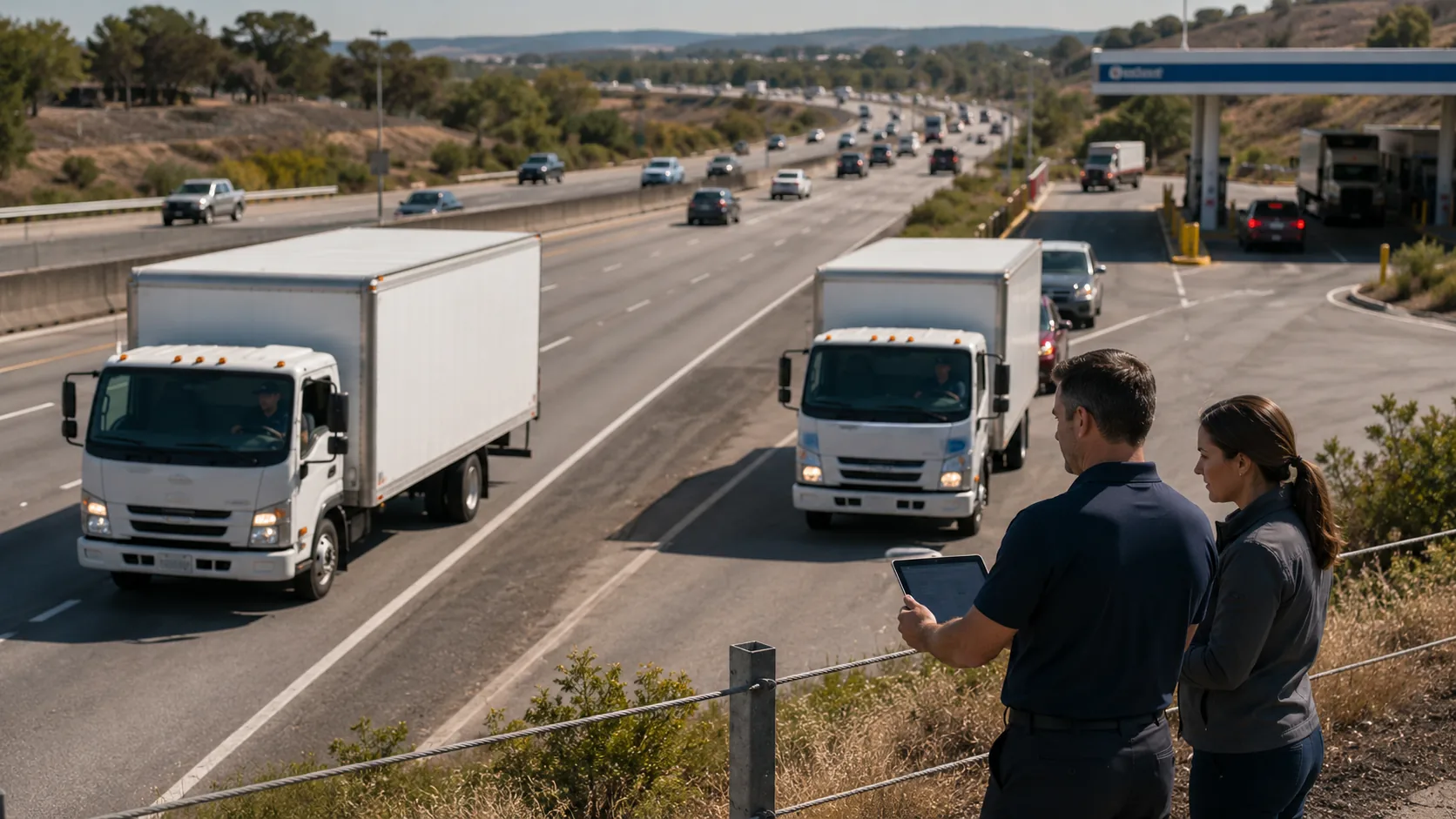
Maintenance Gaps Create Silent Fuel Drains
Maintenance related fuel loss often appears as a slow MPG decline that gets blamed on the driver, route, or weather. Linking results to preventive maintenance schedules helps test mechanical causes before the loss compounds.
Tire Pressure
DOE states that fuel economy can fall about 0.2 percent for every 1 PSI drop across all four tires, while correct inflation can improve mileage by as much as 3 percent in some cases. Commercial vehicles create more opportunities for pressure differences and rolling resistance.
Air Filters, Oil, and Engine Health
Wrong oil viscosity, overdue oil, restricted airflow, faulty sensors, and poor engine tuning can increase the work required to produce the same output. Reviewing vehicle service history beside a falling MPG trend can reveal whether the decline began after a missed service, recurring fault, or component change.
Wheel Alignment
Misalignment forces tires to scrub rather than roll cleanly, increasing resistance and tire wear. Uneven wear, steering pull, recent suspension work, and repeated operation on rough roads should trigger an alignment check.
Common Fuel Variance Signals and Their Likely Causes
| Fuel variance signal | Likely cause | First action |
|---|---|---|
| Sudden drop in MPG | Fuel leak, sensor fault, route change, or new driver | Compare fuel transactions, fault records, route history, and driver assignment |
| Gradual decline in MPG | Tire pressure, alignment, oil, filters, or engine condition | Inspect tires and review overdue maintenance |
| High fuel use with high idle hours | Waiting time, traffic, climate control, or unnecessary engine operation | Review idle locations, duration, and operating purpose |
| One driver performs poorly across several vehicles | Speeding, harsh braking, rapid acceleration, or poor gear use | Review driver event data and provide targeted coaching |
| One vehicle performs poorly with several drivers | Mechanical condition, excess weight, alignment, or recurring route difficulty | Inspect the vehicle and compare its routes and payload |
| MPG improves after maintenance | Tire, alignment, oil, filter, or engine issue was contributing to fuel loss | Document the result and apply the same check across similar vehicles |
Route and Load Factors That Vary Vehicle to Vehicle
Two identical vehicles are not comparable unless their work is comparable. A trucking and logistics fleet may assign the same tractor to different trailers, road classes, and delivery windows.
Payload and Cargo Weight
DOE estimates that an extra 100 pounds can reduce fuel economy by around 1 percent in a typical light vehicle, with the effect depending on added weight relative to vehicle size. A service van carrying tools, parts, racks, and unused materials will use more fuel than an empty unit.
Terrain and Road Conditions
Hills multiply the effect of weight. Urban traffic adds braking, acceleration, and idle time, while rough surfaces increase rolling resistance. Compare vehicles within similar route groups rather than ranking a downtown unit against one operating mainly on open highway.
Route Inefficiency
Extra miles, backtracking, congestion, and poorly sequenced stops increase fuel use even when the driver handles the vehicle well.
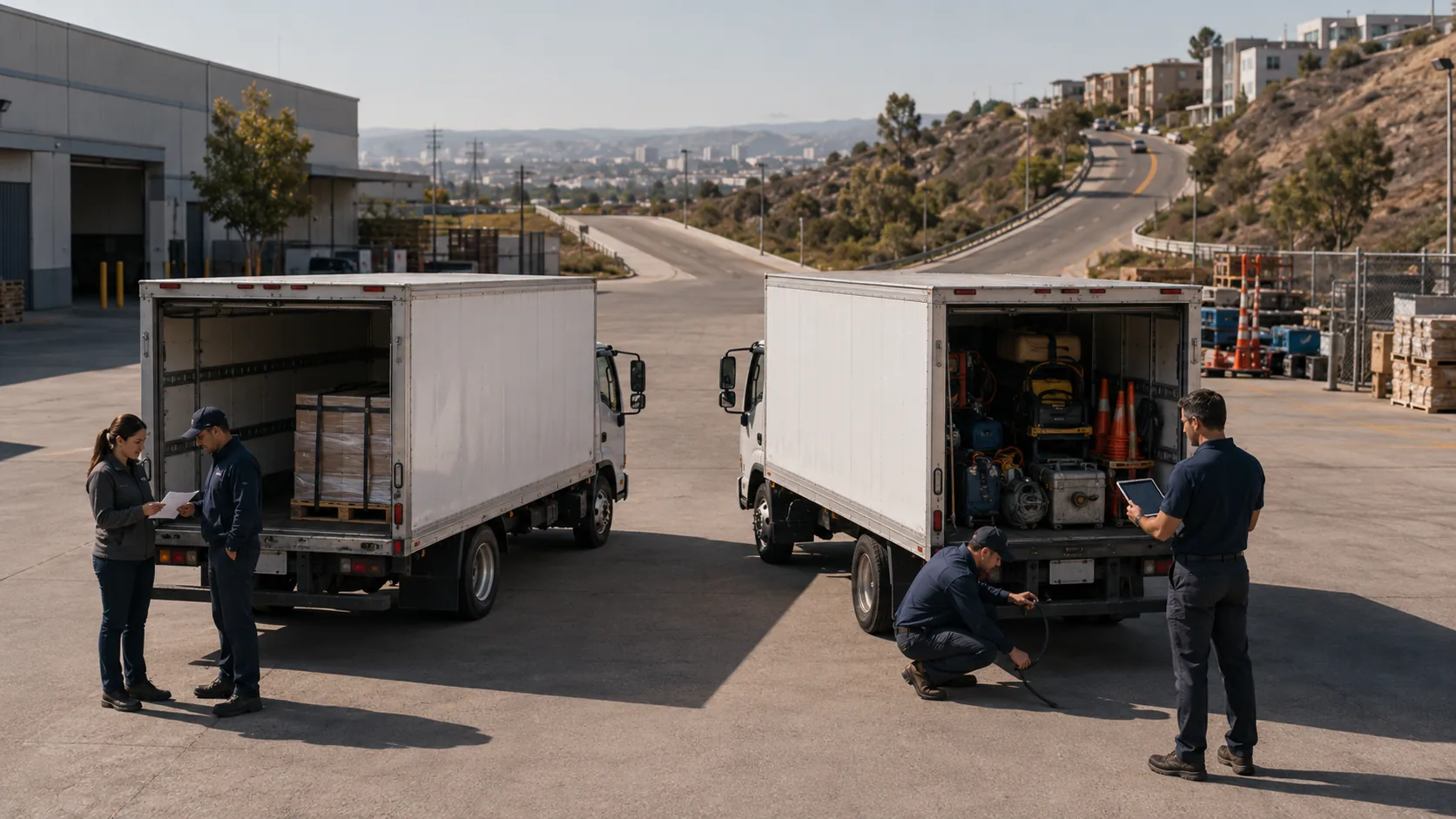
Trip and mileage tracking helps separate route length from vehicle efficiency. Fuel aware planning should consider traffic, stop order, vehicle suitability, and expected idle time.
How to Spot the Gap in Your Own Fleet
Group comparable vehicles by class, engine, duty cycle, route type, and payload range. Then calculate performance over enough time to reduce the effect of one unusual trip. A fleet reports dashboard makes this review repeatable.
Fleet Fuel Metrics and Recommended Action Points
| Metric | What it reveals | Recommended action point |
|---|---|---|
| MPG by vehicle | Fuel efficiency for each asset | Investigate vehicles performing 10 percent or more below comparable peers |
| Fuel cost per mile | The actual financial impact of fuel use | Review when cost rises without a matching increase in fuel prices |
| Idle percentage | How much engine time is spent without productive movement | Investigate recurring idle locations or durations above fleet policy |
| Harsh driving event rate | Behavioral patterns that increase fuel consumption | Coach drivers with repeated speeding, braking, or acceleration events |
| Fuel use by route | Whether terrain, traffic, or stop density is affecting performance | Compare similar routes before assigning responsibility to the driver |
| MPG before and after service | Whether maintenance corrected the efficiency problem | Confirm improvement within the next 30 days |
| Fuel transactions per vehicle | Unusual purchases, frequency, volume, or location | Review transactions that do not match vehicle capacity or operating activity |
Use these measures together:
- MPG equals miles traveled divided by gallons used.
- Cost per mile equals fuel cost divided by miles traveled.
- Idle percentage equals idle engine hours divided by total engine hours.
- Variance equals vehicle MPG compared with its peer group average.
- A result 10 percent or more below comparable peers should trigger investigation.
A practical investigation workflow looks like this:
What Closing the Gap Actually Looks Like in Practice
Closing the gap means moving poor performers toward a credible peer benchmark. Using the NACFE comparison, improving from 6.9 MPG to 7.8 MPG at 100,000 annual miles saves about 1,672 gallons. At $4 per gallon, a 50 vehicle fleet would retain roughly $334,000 per year.
The gain normally comes from several actions, such as reducing idle time, correcting tire pressure, aligning vehicles, removing unnecessary weight, and coaching repeated harsh events. Strong fuel management best practices measure results after each action so managers know what produced a return.
Using Fleet Software to Make Fuel Variance Visible
Most fleets struggle because fuel transactions, mileage, maintenance records, routes, and driver assignments live in different places. That separation makes it hard to tell whether low MPG needs coaching, service, route review, or a payload check.
A connected fleet fuel management system places fuel use beside maintenance timing and vehicle history. Managers can identify outliers, assign an action, and confirm whether MPG improves. Software does not create savings by itself. It creates the visibility and accountability needed to repeat effective actions.
Why Fuel Bills Diverge and How to Respond
Identical fleet vehicles use different amounts of fuel because people, maintenance, routes, loads, and operating conditions are never completely identical. Respond with a vehicle level process:
- Track MPG and fuel cost per mile for every vehicle.
- Compare vehicles with similar duty cycles, payloads, and routes.
- Coach drivers with specific event data.
- Treat tires, alignment, oil, filters, and engine condition as fuel controls.
- Review route efficiency and recurring idle locations quarterly.
- Connect fuel, maintenance, mileage, and driver records.
Frequently Asked Questions
-
Why would two trucks with the same mileage have different fuel costs?
Lifetime mileage does not show how efficiently each truck completed recent work. Speed, idling, payload, terrain, maintenance, fuel price, and route type can all change current cost. -
How much can driver behavior affect fuel consumption?
DOE research shows aggressive driving can reduce fuel economy by 15 to 30 percent on highways and 10 to 40 percent in stop and go traffic. The exact result depends on the vehicle and duty cycle. -
What maintenance tasks have the biggest impact on fuel economy?
Start with tire pressure, alignment, correct oil, scheduled filters, engine fault codes, and unresolved performance issues. These affect rolling resistance, friction, airflow, and combustion. -
How do I calculate fuel efficiency per vehicle?
Divide miles traveled during the period by gallons purchased during the same period. Use accurate odometer readings, remove invalid transactions, and compare similar vehicles. -
When should a fuel inefficient vehicle be replaced instead of repaired?
Consider replacement when verified fuel loss combines with high repair cost, recurring downtime, poor reliability, and an unfavorable total cost per mile. Test route, driver, load, tire, and maintenance causes first.