 Miya Bholat
Nov 09, 2026
Fleet Driver Coaching: What to Do After a Safety Alert
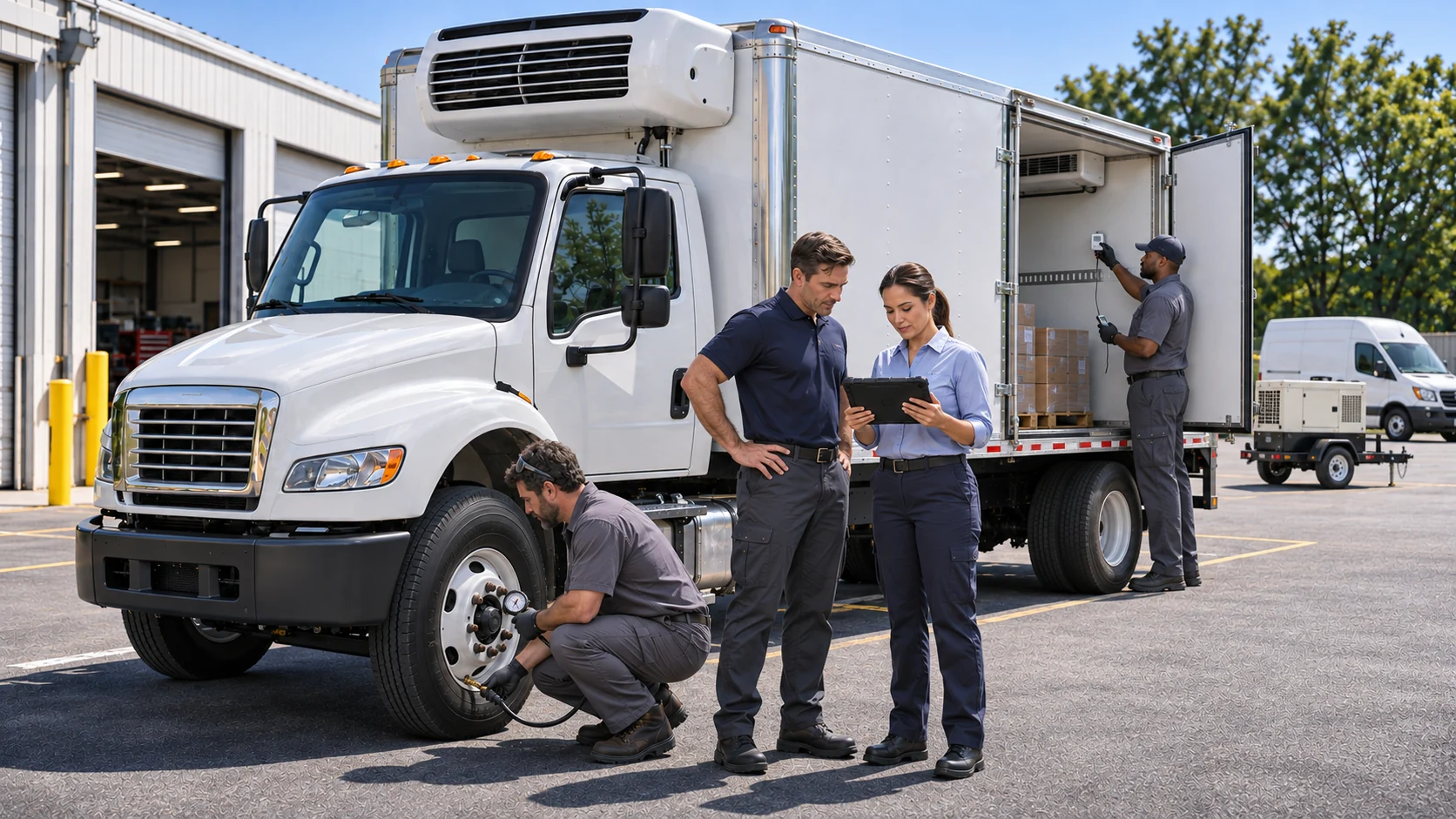
After a fleet safety alert, verify what happened, identify the root cause, choose the appropriate response, coach the driver within seven days when needed, document the conversation, and check whether the behavior improves. This process connects individual alerts to a consistent fleet safety and compliance program without treating every warning as driver misconduct.
The stakes extend beyond one driver or vehicle. According to the Bureau of Labor Statistics, transportation incidents accounted for 38.2% of occupational fatalities in 2024, the largest share of any fatal work event category. Technology can identify potential risks, but what managers do after an alert determines whether it becomes a useful intervention.
Key Takeaways
- Coach within seven days. Address verified unsafe behavior while the event is fresh, and escalate urgent risks immediately.
- Verify before approaching the driver. Review video, telematics data, and driving conditions to avoid coaching justified actions or false alerts.
- Find the root cause first. Driver habits, skill gaps, dispatch pressure, and vehicle defects require different responses.
- Document every coaching session. Record the evidence, discussion, agreed change, and follow up date.
- Measure actual improvement. Compare repeat events, severity, and event rates per 1,000 miles before and after coaching.
Why the Week After a Safety Alert Matters Most
The longer an alert sits unresolved, the harder it becomes to reconstruct the event and make the feedback relevant. Research presented by the Virginia Tech Transportation Institute (VTTI) at the 2022 Fleet Safety Conference found that coaching within one week was more effective than sporadic coaching.
The study examined seven fleets, 354 drivers, and approximately 3.8 million miles. One participating fleet reduced high severity event rates by 64% during its monitoring and coaching period. That result illustrates the potential benefit of consistent intervention, although outcomes vary by fleet.
The Network of Employers for Traffic Safety estimated in 2026 that motor vehicle crashes cost U.S. employers approximately $62 billion annually.
A 2025 UC San Diego research report also described how drivers can become less responsive to repeated cabin alerts. Human feedback helps turn an automated warning into a specific action rather than another notification the driver eventually ignores.
Step 1: Verify the Alert Before You Talk to the Driver
Coaching someone for an inaccurate alert damages trust. Review the evidence before deciding whether the event deserves intervention.
Check the Clip, the Data, and the Conditions
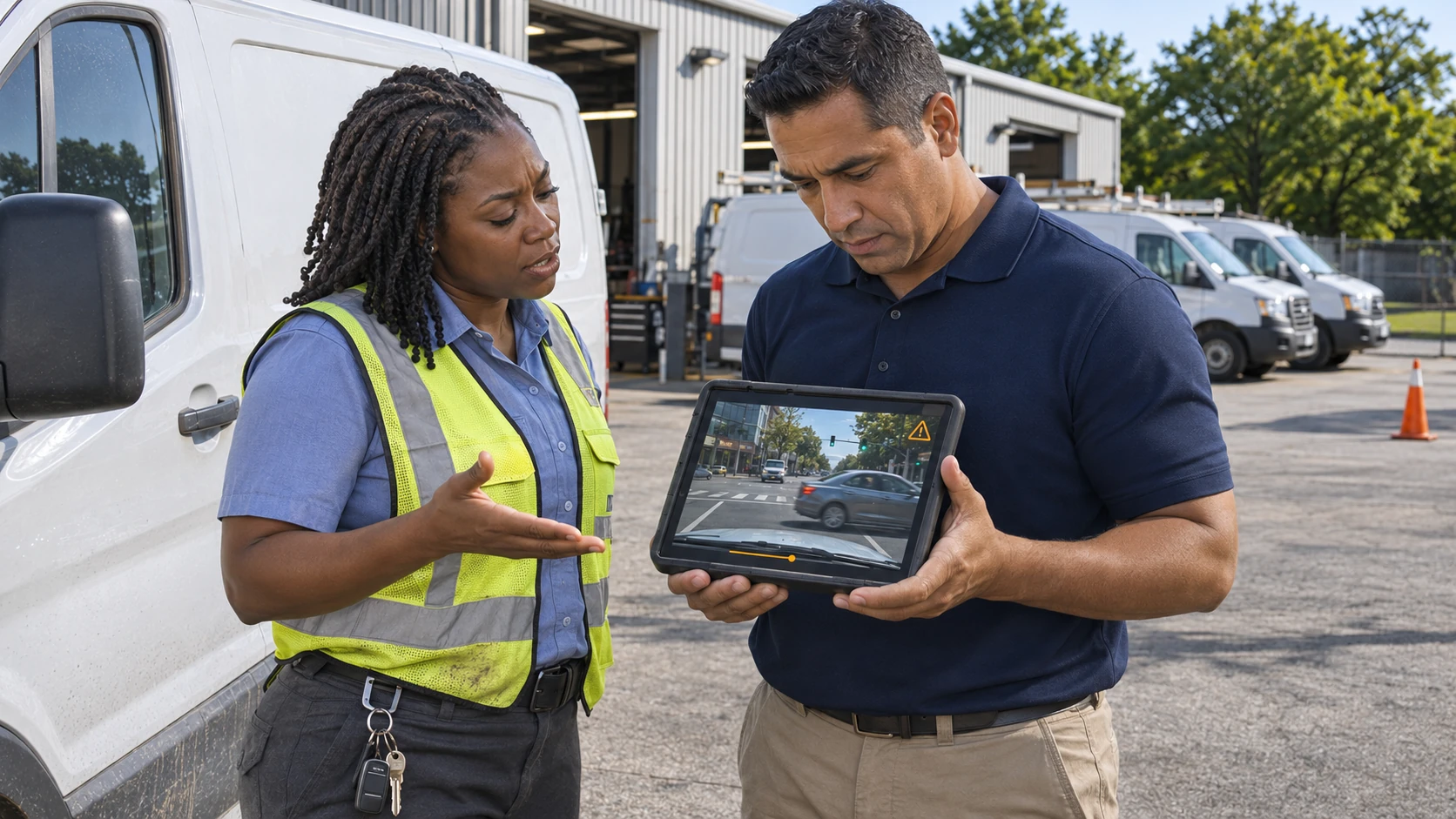
Start with the footage immediately before and after the event. Compare it with supporting information to understand what triggered the alert.
Your initial review should establish:
- What happened before, during, and after the event.
- Whether speed, location, and sensor data agree with the footage.
- How weather, traffic, road conditions, or route design affected the situation.
- Whether the driver has previous verified incidents involving the same behavior.
For a speeding alert involving an HVAC service van, check whether the recorded speed matches the posted limit and whether the vehicle was approaching a changing speed zone. Managers who need clearer review criteria can follow a structured process for reviewing fleet camera footage.
Separate False Positives and Defensive Driving From Real Risk
A harsh braking alert does not automatically mean the driver made a mistake. A delivery driver may brake suddenly because another vehicle enters their lane without warning.
If footage confirms appropriate defensive driving, clear the event and explain the decision to the driver. Record the review outcome and recognize the safe response. If the sensor repeatedly misclassifies similar situations, investigate its configuration before taking further action.
Step 2: Diagnose Why It Happened Before You Decide What to Do
The most useful question after confirming an event is: Why did this happen?
Coaching can correct a skill gap or unsafe habit. It cannot repair faulty brakes or make an unrealistic delivery schedule safe. Use the evidence and the driver's explanation to identify the likely cause before assigning responsibility.
| Root Cause | What the Data Usually Shows | Example | Right Response |
|---|---|---|---|
| Skill gap | Events cluster around unfamiliar routes, vehicles, or conditions | New box truck driver brakes excessively on downhill grades | Targeted coaching and a practical skills refresher |
| Unsafe habit | Similar behavior repeats across routes and shifts | Driver consistently follows vehicles too closely | Individual coaching with one measurable change |
| Schedule pressure | Events increase during tight delivery windows or late shifts | Speeding rises after dispatch adds urgent stops | Adjust the schedule, then address driver decisions |
| Vehicle condition | Similar events occur in one vehicle, alongside reported defects | Driver reports brakes grabbing during stops | Inspect the vehicle and correct the defect |
| False positive or justified action | Video contradicts the alert or shows defensive driving | Driver brakes hard to avoid a vehicle cutting across lanes | Clear the event and recognize the appropriate response |
The vehicle condition category deserves particular attention because a driver alert may reveal a maintenance problem. AUTOsist supports digital vehicle inspections, allowing teams to document defects and identify items requiring maintenance.
Schedule pressure requires similar attention outside the coaching conversation. UC San Diego's 2025 research highlighted how productivity expectations and tight schedules can undermine safe driving. A manager should investigate whether dispatch expectations are encouraging drivers to rush.
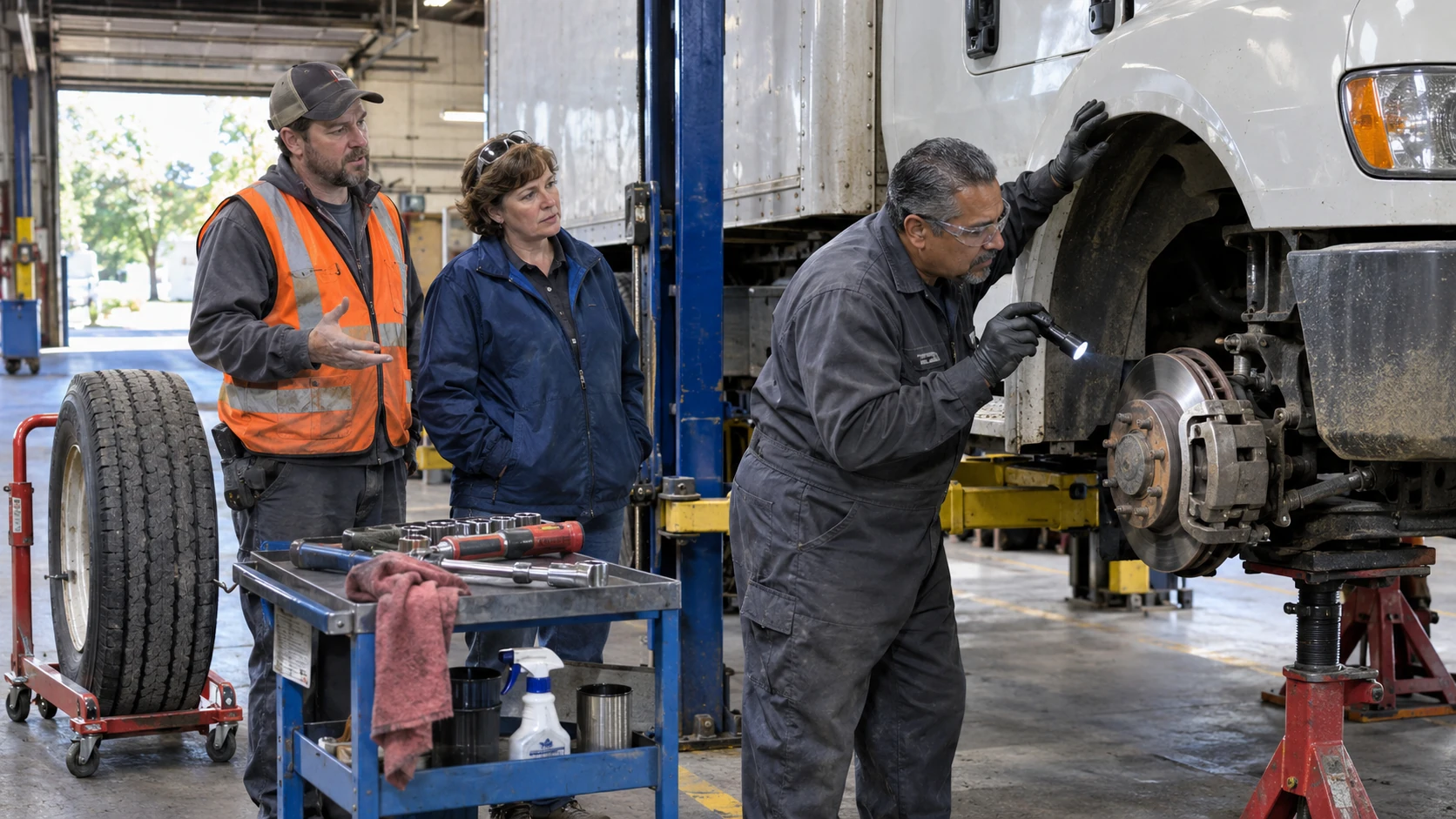
For mechanical issues, remove an unsafe vehicle from service until it is assessed and cleared. Use fleet maintenance work orders to assign repairs, track completion, and maintain accountability. Keep completed repair information in the vehicle's service history.
Step 3: Match the Response to the Risk
Not every verified event requires a formal meeting. Choose a response based on severity, repetition, and immediate safety risk.
- Self review: For isolated, low severity events, ask the driver to review the clip and acknowledge the expected behavior.
- Quick check in: For moderate events or a short repeat pattern, schedule a focused five minute conversation during the same week.
- Formal coaching: For serious distraction, phone use, severe speeding, or repeated unsafe behavior, arrange a documented session within seven days.
The VTTI study presented in 2022 found that approximately 95% of recorded events were low severity. That reinforces why managers should prioritize meaningful risk rather than automatically schedule meetings for every notification.
An immediate danger, such as repeated phone use or severe reckless driving, requires prompt management action. For consistent prioritization, establish which driver safety signals require management attention and route serious incidents directly to the responsible supervisor.
Step 4: Run the Coaching Conversation
A safety alert identifies a possible problem, but the conversation helps the driver understand the cause and commit to a practical change.
A 15-Minute Coaching Session Structure
Use this seven step workflow for a focused conversation that gives the driver an opportunity to explain what happened.
Give every session a named owner. Where multiple supervisors share responsibility, clear fleet user and driver management permissions help teams control access to relevant fleet information. The coaching decision and follow up assignment should remain clearly documented.
Words That Work and Words That Backfire
Specific questions make the discussion more productive. Try these phrases:
- "Walk me through what you saw before you braked."
- "What made that situation difficult?"
- "Was anything about the route or vehicle affecting your decision?"
- "What would you do differently next time?"
Avoid language that assumes guilt or creates confusion:
- "You're always driving dangerously."
- "The camera says you're wrong."
- "Just be more careful."
UC San Diego's 2025 review highlighted evidence of improvement in seven of twelve directly observed driving behaviors following manager led coaching. It also cautioned that excessive positive reinforcement can be counterproductive for some higher risk drivers.
Recognize good decisions, but keep expectations specific and measurable.
Handling Pushback and Disputed Footage
When a driver disagrees with an alert, review the evidence together. Ask what the footage may be missing, including surrounding traffic, road conditions, or a vehicle issue.
If the driver provides credible context, investigate it. Correct the record when the alert is inaccurate and document why. A fair review process makes drivers more willing to participate in future coaching.
Step 5: Document Every Coaching Session
A coaching conversation without a record is difficult to verify later. If an incident leads to an insurance claim, internal investigation, or audit, managers need evidence of what they reviewed and what action followed.
Every coaching record should contain:
- Event date, coaching date, driver, and vehicle.
- Alert type, severity, and supporting evidence.
- Confirmed or suspected root cause.
- Driver explanation and manager observations.
- One agreed behavior change or corrective action.
- Follow up date, assigned owner, and eventual outcome.
Keep the original event and subsequent decisions connected. A useful record distinguishes between an alert that was cleared, one that resulted in coaching, and one that exposed a mechanical problem.
These details also support the broader set of fleet safety records needed before an insurance claim. Restrict access to sensitive footage and coaching information according to your organization's policies.
Step 6: Follow Up, Measure, and Escalate
The Follow Up Check
Review the driver's performance two to four weeks after coaching. Compare similar driving situations and exposure, rather than judging improvement from one isolated event.
For example, a driver who previously followed too closely on highway routes should show fewer verified following distance events during comparable highway driving.
If the behavior improves, acknowledge the specific change. If it continues, revisit the root cause before automatically repeating the same training.
Metrics That Show Coaching Is Working
Measure both whether managers complete coaching and whether drivers improve afterward.
Track these five indicators:
- Events per 1,000 miles: Compare verified unsafe event rates while accounting for driving exposure.
- Repeat event rate: Measure how often the same behavior returns after coaching.
- Time to coaching: Track the interval between a verified alert and the completed session.
- Coaching completion rate: Divide coached events by all events requiring coaching.
- Severity trend: Check whether serious incidents are declining, not just total notifications.
Consider a service fleet driver who recorded six verified events per 1,000 miles before coaching and 2.5 afterward.
Reduction = (6 minus 2.5) ÷ 6 × 100 = 58.3%.
That indicates a 58.3% reduction in event rate, provided the comparison uses similar routes, driving conditions, and event definitions.
The U.S. Department of Transportation ITS Joint Program Office summarized research in which camera monitoring combined with coaching reduced harsh braking by approximately 17% and speeding events by 34%. Coaching also produced significantly better results than monitoring alone for certain driving behaviors.
Use fleet reports and dashboards to organize relevant operational data, then calculate coaching specific measures from your reviewed safety event records.
When Coaching Turns Into Corrective Action
If the same unsafe behavior continues after two documented coaching cycles, move to a structured improvement plan. Specify the required behavior, provide practical retraining or a supervised ride along, and establish a review date.
If serious problems continue, apply formal corrective action according to company policy. Use consistent standards across drivers while considering verified circumstances and the seriousness of each event.
For larger fleets, a documented driver behavior monitoring process helps managers evaluate comparable events and avoid inconsistent decisions.
Make Post-Alert Coaching a Weekly Habit
Reserve a fixed time every week to review verified alerts, schedule conversations, and close outstanding follow ups. Assign clear responsibility so events do not disappear between fleet, safety, and operations teams.

Recognize drivers who respond well to difficult situations or demonstrate sustained improvement. Review overall coaching metrics monthly to identify recurring problems that need changes beyond individual coaching.
For growing service, government, or delivery fleets, these practices should become part of a consistent fleet safety program rather than depend on one supervisor's memory.
Start with this week's alerts: verify each event, identify its cause, assign the right response, and schedule the follow up.
Frequently Asked Questions
-
How soon should you coach a driver after a safety alert?
Aim to coach the driver within seven days of a verified event. Address serious safety risks immediately rather than waiting for a scheduled session. -
Does every dash cam or telematics alert require coaching?
No. Minor, isolated events may only need a quick review, while repeated or high risk behavior requires direct coaching. -
What should a driver coaching record include?
Record the event date, evidence, root cause, driver explanation, agreed action, and follow up date. Update the record after checking whether the behavior improved. -
What if a driver disputes a harsh braking or speeding alert?
Review the footage, vehicle data, and surrounding conditions with the driver. If the alert was inaccurate or the action was justified, clear the event and document the reason. -
How can fleet managers tell whether driver coaching is working?
Compare verified safety events per 1,000 miles before and after coaching. Check repeat incidents and severity trends over the following two to four weeks.