 Miya Bholat
Jun 08, 2026
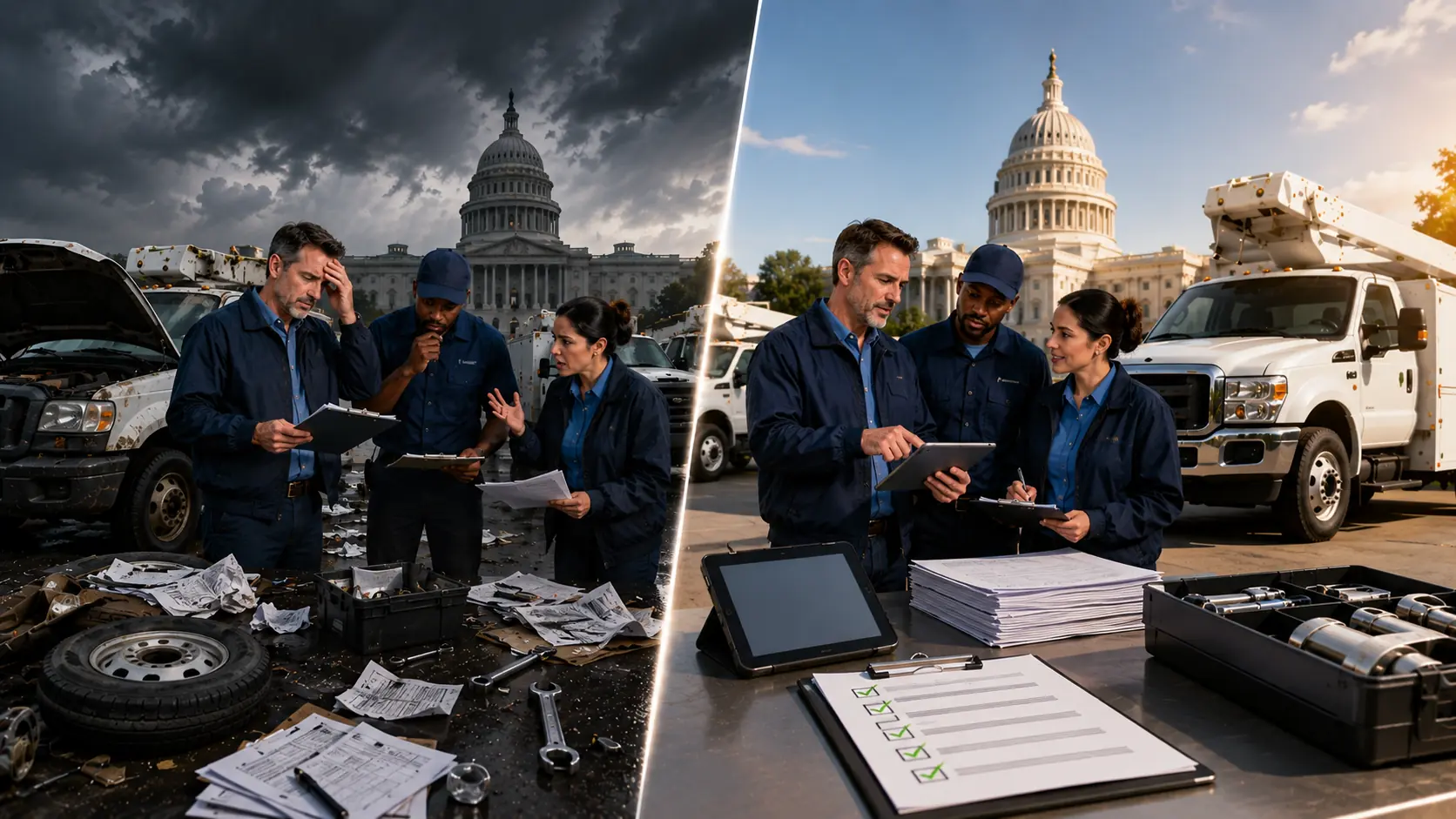
Why Fleet Maintenance Needs More Than One Owner?

Managing fleet maintenance should never depend on a single employee. The most reliable fleets build shared accountability where drivers, supervisors, mechanics, and managers each own specific responsibilities while working from the same system. A strong fleet maintenance software process reduces bottlenecks, protects institutional knowledge, and keeps maintenance moving even when key personnel are unavailable.
A fleet manager arrives at work and spends the morning scheduling service appointments, reviewing inspection reports, answering mechanic questions, calling vendors, checking compliance records, and updating maintenance logs. By lunchtime, new repair requests have arrived and several vehicles need immediate attention. If that manager calls in sick tomorrow, much of the maintenance operation slows down or stops completely. Many fleets operate this way without realizing the risk they have created.
Key Takeaways
-
One person creates a single point of failure.
When maintenance knowledge, schedules, and records live with one employee, illness, turnover, or vacation can disrupt the entire operation. -
Bottlenecks increase maintenance costs.
Delayed approvals, missed inspections, and postponed repairs often lead to higher repair expenses and more vehicle downtime. -
Fleet maintenance works best with role based ownership.
Drivers, mechanics, supervisors, and managers each play a different role in keeping vehicles safe and operational. -
Documentation matters as much as execution.
Processes that exist only in someone's memory cannot scale or survive staff changes. -
Software enables accountability.
Task assignments, reminders, work orders, and maintenance records help teams collaborate without relying on one person's memory.
The Hidden Risk of One Person Fleet Maintenance Ownership
When one person owns every maintenance responsibility, the fleet becomes dependent on that individual rather than the process itself. The issue is not whether that employee is skilled or hardworking. The problem is that critical knowledge, decisions, and workflows become concentrated in one place.
Over time, maintenance schedules, vendor relationships, service history details, and compliance requirements become difficult for others to access. Even fleets using spreadsheets often experience this challenge, which is one reason many organizations move beyond manual tracking after reading about how to track fleet maintenance.
What Happens When That Person Is Unavailable
Imagine a fleet coordinator who manages maintenance for 50 vehicles. They know which vendors provide the fastest service, which vehicles have recurring issues, and which inspections are due next week.
If that person takes an unexpected leave:
- Maintenance schedules may not get updated
- Open repairs may not receive follow up
- Vendor communication may stop
- Compliance deadlines may be missed
- Vehicle status information becomes harder to find
The real challenge is that institutional knowledge exists only in one person's head. Teams often discover these blind spots only after that person becomes unavailable.
The Compounding Cost of Bottlenecks
Small maintenance delays often create larger problems later.
Consider a vehicle that misses a routine oil service. A delayed oil change costing $150 might contribute to engine damage requiring thousands of dollars in repairs and several days of downtime.
| Maintenance Event | Immediate Cost | Potential Cost if Delayed |
|---|---|---|
| Oil Service | $150 | $5,000+ engine repair |
| Brake Inspection | $100 | Major brake system repair |
| Tire Rotation | $80 | Premature tire replacement |
| Compliance Inspection | Minimal | Fines and out of service risk |
This pattern appears frequently in fleets that rely on reactive maintenance instead of structured processes. Organizations looking to reduce these risks often implement fleet scheduled maintenance best practices.
Why Fleet Maintenance Naturally Becomes One Person's Problem
Most fleets do not intentionally create this situation.
In small and midsize operations, someone simply steps up and takes ownership. As the fleet grows, maintenance responsibilities expand, but the underlying process never changes.
Common factors that contribute to centralized ownership include:
- Informal maintenance processes
- Limited documentation
- Spreadsheet based tracking
- Verbal communication instead of workflows
- Lack of assigned responsibilities
This problem is especially common in service fleets, construction fleets, and delivery operations where maintenance responsibilities evolve faster than administrative processes.
The "Default Responsible Person" Trap
Over time, one employee becomes the default answer for every maintenance question.
Need a repair update? Ask Sarah.
Need service records? Ask Sarah.
Need vendor contact information? Ask Sarah.
Need inspection history? Ask Sarah.
The more frequently this happens, the harder it becomes to distribute responsibility. Eventually, the fleet develops an unhealthy dependence on one person rather than a repeatable process.
The Real Cost of Centralized Fleet Task Ownership
The consequences extend beyond inconvenience.
Vehicle downtime, compliance exposure, missed preventive maintenance, and employee burnout all become more likely when a single individual manages every maintenance task.
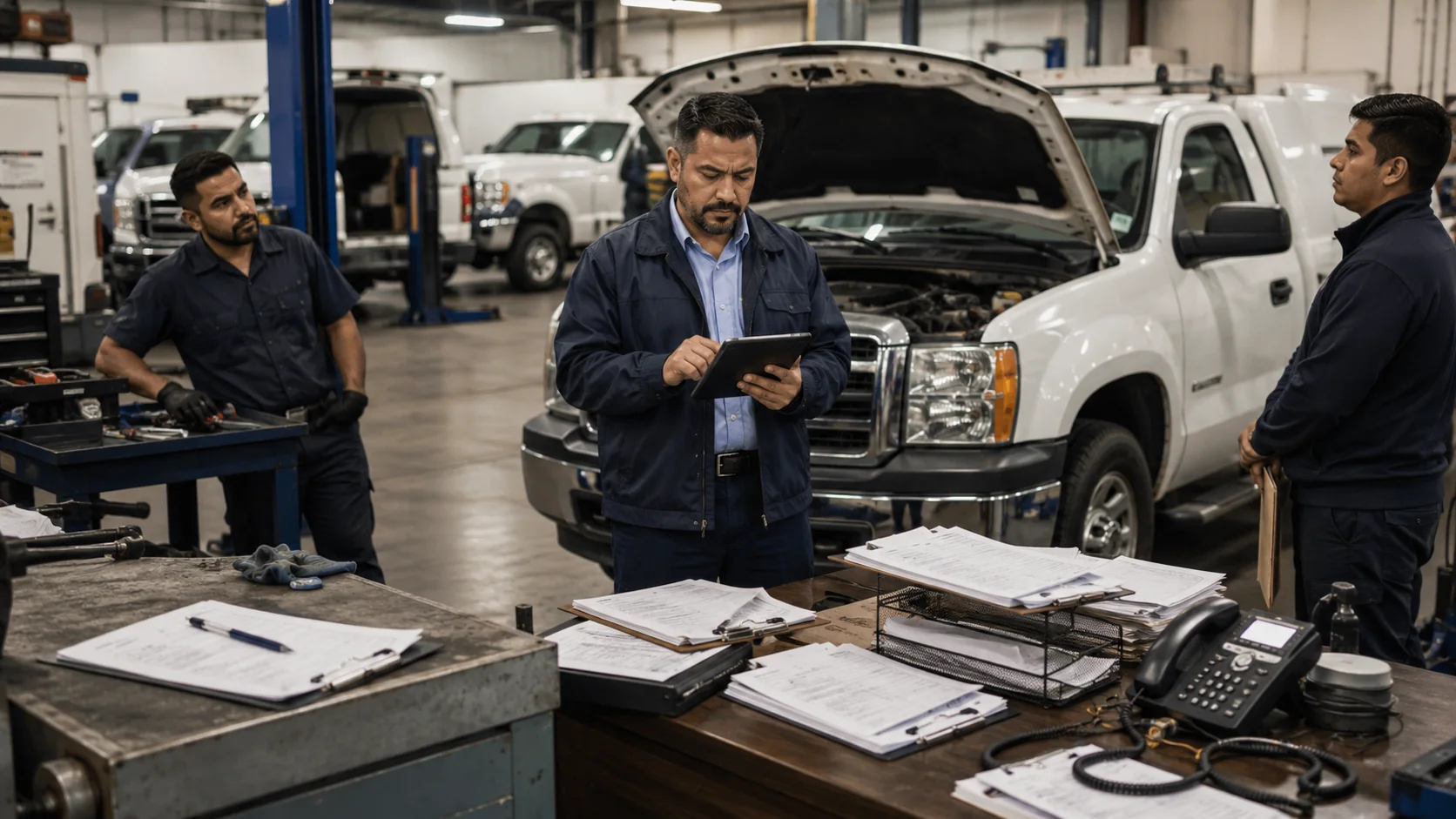
Industry studies regularly estimate that unplanned downtime can cost hundreds of dollars per vehicle per day depending on fleet type, labor costs, and operational impact.
The most common business impacts include:
- Increased vehicle downtime
- More reactive repairs
- Missed preventive maintenance intervals
- Compliance documentation gaps
- Reduced operational visibility
- Employee burnout and turnover risk
Organizations often discover these challenges while evaluating why fleet maintenance software matters for growing fleets.
How to Distribute Fleet Maintenance Responsibilities Across Your Team
The solution is not hiring more people. The solution is assigning responsibilities more effectively.
A fleet with three employees can distribute maintenance tasks just as effectively as a fleet with thirty employees.
Assigning Driver Level Responsibilities
Drivers are often the first people to notice vehicle issues.
They can contribute significantly by owning:
- Pre trip inspections
- Post trip inspections
- Defect reporting
- Fuel logging
- Mileage updates
Using a digital vehicle inspection app helps drivers report issues immediately while creating documentation for the maintenance team.
What Supervisors and Fleet Managers Should Own
Managers should focus on oversight rather than executing every task personally.
Typical responsibilities include:
- Maintenance scheduling
- Vendor management
- Compliance oversight
- Budget approvals
- Escalation management
This allows managers to coordinate activities rather than becoming the bottleneck.
Building a Maintenance Accountability Structure
Even small fleets benefit from documenting who owns each responsibility.
Example Maintenance Workflow
| Task | Driver | Mechanic | Supervisor | Fleet Manager |
|---|---|---|---|---|
| Vehicle Inspection | ||||
| Defect Verification | ||||
| Repair Completion | ||||
| Schedule Approval | ||||
| Compliance Review |
A simple accountability structure often delivers more value than adding another layer of management.
Why Software Is the Missing Layer in Fleet Task Distribution
Role assignment alone is not enough.
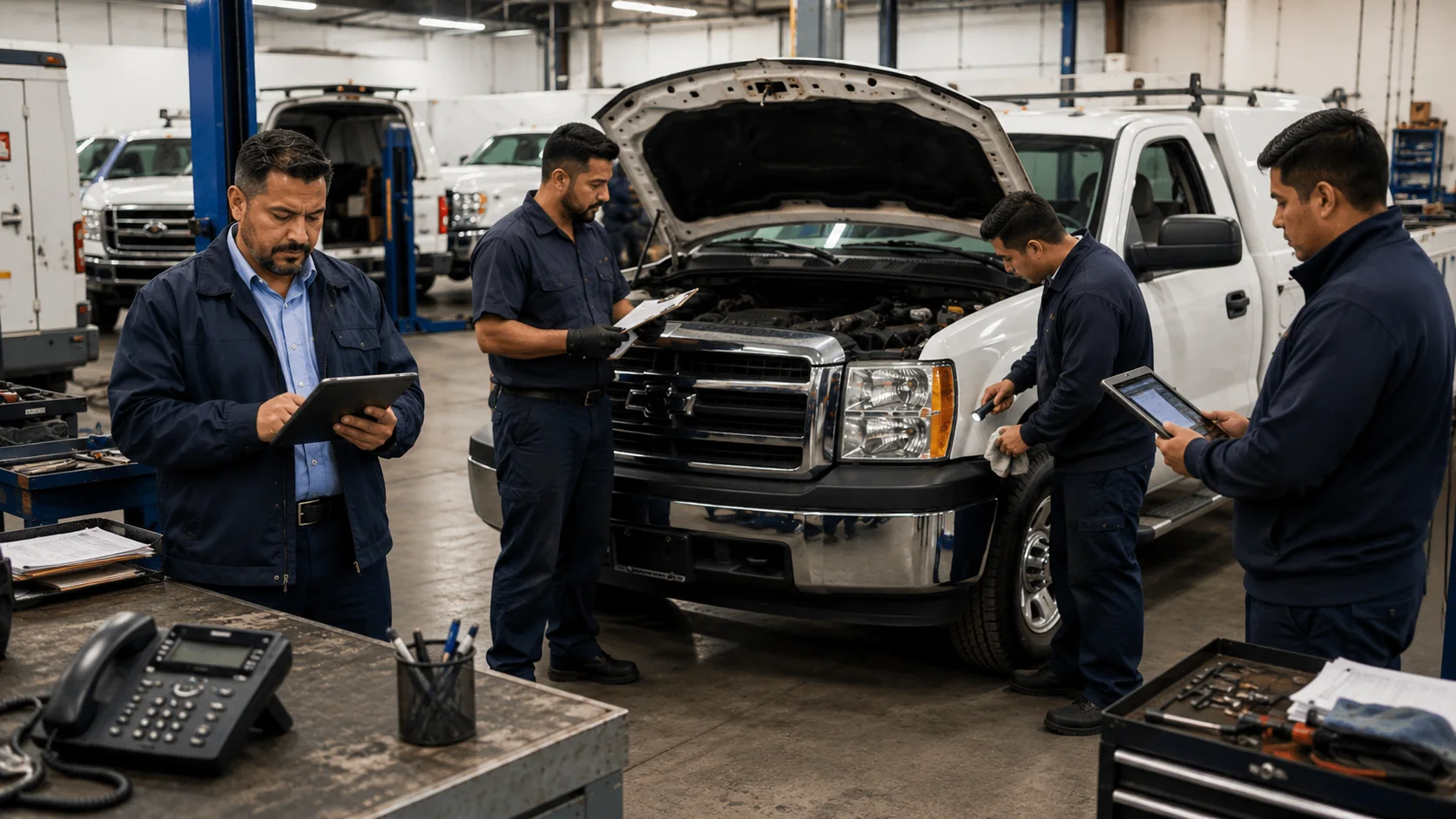
Without a system that tracks ownership, deadlines, and maintenance history, responsibilities eventually become unclear again.
Modern fleets use software to create visibility while maintaining accountability. Solutions that combine fleet preventive maintenance schedules with fleet maintenance work order software help teams understand who owns each task and when it needs completion.
Centralizing Information Without Centralizing the Workload
Many managers mistakenly believe centralization means doing everything themselves.
The real goal is shared visibility.
When maintenance records, inspection results, and service history are stored in a single system, everyone can access the information they need without depending on one individual.
Platforms that maintain a complete vehicle service history help teams make decisions using accurate information rather than memory.
Automated Alerts and Reminders Reduce Reliance on One Person's Memory
Human memory should not be the maintenance system.
Automated reminders help ensure:
- Preventive maintenance occurs on schedule
- Inspections are completed
- Work orders are tracked
- Service intervals are monitored
- Compliance requirements remain visible
Organizations transitioning away from spreadsheets often encounter the same challenges discussed in whether Excel is good enough for fleet maintenance.
Signs Your Fleet Is Too Dependent on One Person
Use the checklist below to evaluate your current process.
- Only one person knows vendor contacts
- Maintenance records live in one employee's inbox
- Service schedules are managed manually
- Vehicle status reports cannot be generated by multiple people
- Repair approvals depend on one employee
- Compliance documentation is difficult to locate
- Team members frequently ask the same person for updates
If several of these statements apply to your operation, your maintenance process may be more fragile than it appears.
Building a More Resilient Fleet Maintenance Operation
Creating a resilient maintenance program starts with documenting responsibilities, sharing visibility, and reducing dependency on individual memory.
Start by identifying tasks currently owned by one person. Then determine which responsibilities can move to drivers, mechanics, supervisors, or administrators. Formalize ownership, document processes, and ensure maintenance information remains accessible across the organization.
A practical transition often follows this workflow:
Fleets that follow this approach create stronger maintenance operations, improve uptime, and reduce operational risk. Tools like AUTOsist support this transition by providing shared visibility, maintenance tracking, work order management, and preventive maintenance scheduling without requiring one person to carry the entire workload.
Frequently Asked Questions
-
What happens if the only person managing fleet maintenance leaves?
When maintenance knowledge exists with one employee, scheduling, repair tracking, vendor management, and compliance activities can be disrupted. Documented processes and shared systems reduce this risk. -
How do I split fleet maintenance tasks across my team?
Start by assigning inspections and defect reporting to drivers, repairs to mechanics, scheduling to supervisors, and compliance oversight to fleet managers. Document responsibilities so everyone understands their role. -
Can fleet management software replace a dedicated fleet manager?
No. Software improves visibility, automation, and accountability, but people still make decisions, manage vendors, and oversee operations. The goal is support, not replacement. -
What are the risks of one person handling all fleet maintenance?
Common risks include missed maintenance, increased downtime, compliance violations, delayed repairs, and employee burnout. The fleet becomes vulnerable whenever that person is unavailable. -
How do I make sure fleet maintenance keeps running if someone is out?
Document responsibilities, centralize maintenance records, automate reminders, and ensure multiple team members can access maintenance information. Shared visibility creates operational continuity.