 Miya Bholat
Sep 04, 2026
Post Call Readiness Checks for Fire Department Fleet Managers
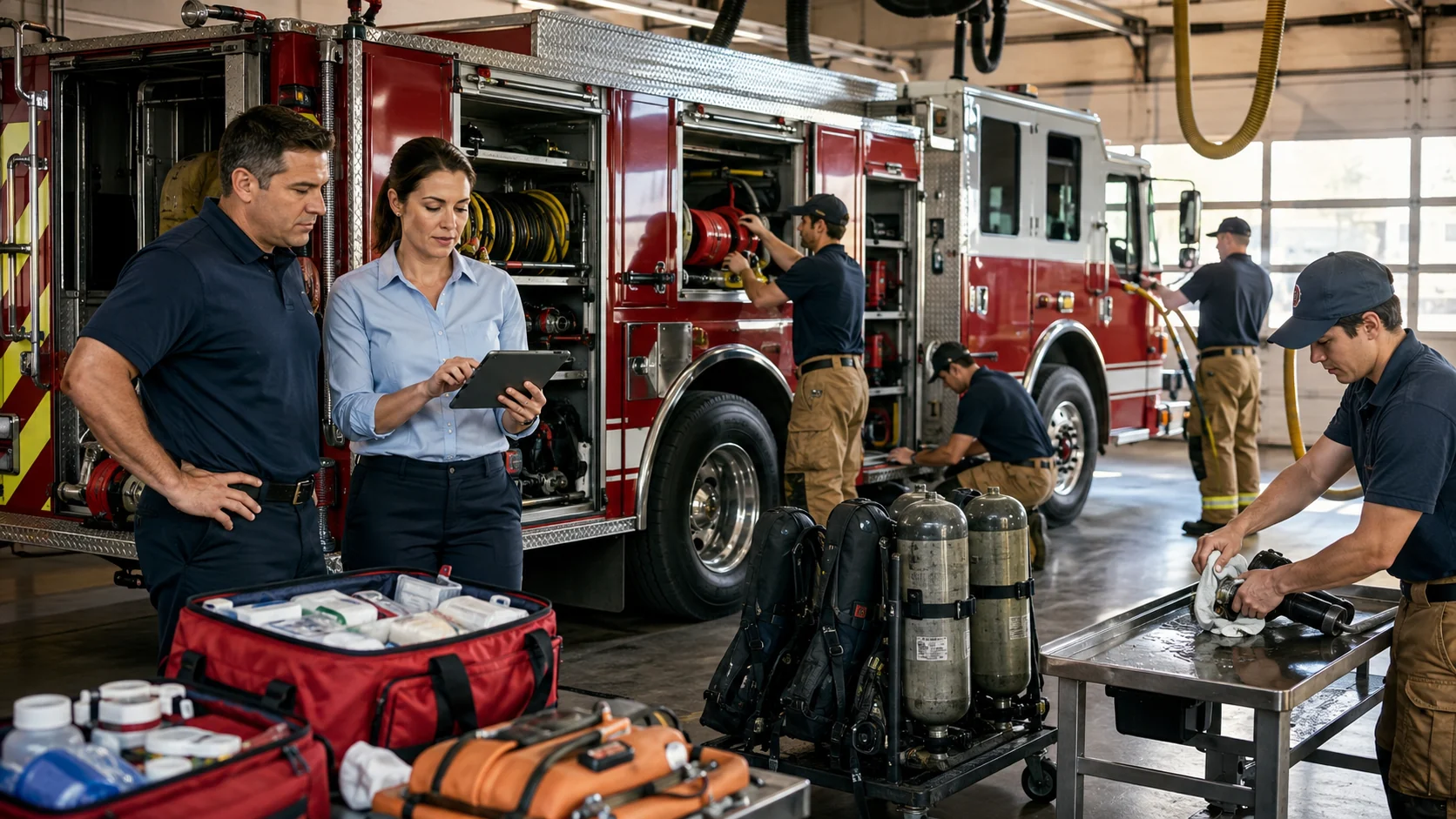
A post call readiness check is the documented process of restoring and examining a fire apparatus after it returns from an emergency call. The crew confirms that fuel, water, foam, breathing air, medical supplies, tools, and safety systems are ready before the unit is marked available. A consistent process supports safer operations and strengthens Fire Department Fleet Management Software for departments managing apparatus, inspections, repairs, and readiness records.
Key Takeaways
- Readiness must be rebuilt after every call. Returning to the station does not automatically mean the apparatus is ready for dispatch.
- Consumables need direct verification. Fuel, water, foam, medical supplies, and SCBA cylinders must be refilled or replaced and then confirmed.
- Small defects still matter. A minor leak, damaged tool, warning light, or missing item can become a serious response problem if nobody records it.
- A readiness status creates accountability. Ready, Restricted, and Out of Service should each have clear criteria and required actions.
- Documentation keeps every shift aligned. The next crew and the fleet manager should be able to see what was checked, what was restored, and what still needs attention.
What Counts as a Post Call Readiness Check
A post call readiness check begins when an apparatus returns to quarters after an incident. It covers the actions needed to restore the unit to its approved operating condition before the next dispatch.
It is different from a daily shift check, a scheduled weekly inspection, or an annual inspection. Those inspections serve broader maintenance and compliance purposes. A post call check focuses on what changed during the specific call.
Under NFPA 1500, Section 6.5.6, equipment must be inspected within 24 hours after use or at least weekly. For emergency apparatus, waiting until the end of a shift creates unnecessary risk because the unit may receive another dispatch within minutes.
The post call review should answer four practical questions:
- What equipment did the crew use?
- What supplies or fluids did the call consume?
- Did the apparatus develop any defect?
- Can the unit safely respond to its next assignment?
A post call inspection should complement, not replace, the department's broader pre trip and post trip inspection process.
Why Post Call Checks Matter More for Fire Apparatus Than Routine Fleets
A fire apparatus can look clean, parked, and available while still lacking the resources needed for the next emergency. A tank may be below its required water level. Foam may need replenishment. SCBA cylinders may be empty or awaiting replacement. Medical supplies may be missing, and a tool may have been damaged during use.
Fire departments also operate in a high frequency environment. U.S. Fire Administration statistics show the scale of demand placed on fire departments across the country. NFPA research reports that a US fire department responded to a fire somewhere in the country about every 23 seconds in 2024.
That pace explains why small gaps compound quickly. If one apparatus returns without a complete check, the next crew may inherit the problem. If several units return from consecutive calls, the department can lose track of which apparatus has complete supplies, which one needs repair, and which one should not respond.
The highest risk usually comes from overlooked details such as:
- Partially refilled water or foam tanks
- Missing medical supplies or hand tools
- Uncharged SCBA cylinders
- Damaged hoses, couplings, lights, or warning systems
- Unreported leaks, alarms, or drivability concerns
The Post Call Readiness Workflow
The following eight step sequence gives crews and fleet managers a common process from return to quarters through final availability.
- Park and begin decontamination procedures where applicable. Position the apparatus safely, secure it, and begin the department's approved decontamination process. Clean equipment and compartments where exposure, smoke, bodily fluids, hazardous materials, or other contamination may have occurred.
- Refill fuel, water, and foam or suppression agent. Restore each consumable to the department's required operating level. Do not rely on visual estimates. Record or confirm the actual refill when the process requires a measured value.
- Replace or refill SCBA and breathing air cylinders. Remove used cylinders from service for refill or replacement. Confirm that replacement cylinders are full, correctly secured, and available for the assigned crew.
- Restock consumed medical supplies, tools, and equipment. Replace items used, damaged, discarded, or transferred during the call. Check compartments against the apparatus inventory so missing equipment does not remain hidden.
- Complete a mechanical and safety system walk around. Examine tires, lights, brakes, steering, doors, compartments, ladders, hoses, pumps, communications equipment, and other systems that affect safe response.
- Log any defects found, no matter how minor. Record the defect while the crew still remembers when and how it appeared. Include photographs or supporting notes when useful.
- Assign a readiness status to the unit. Decide whether the apparatus is Ready, Restricted, or Out of Service based on documented criteria and current equipment condition.
- Document the check and route any repair needs. Complete the record, identify the responsible person, and send repair needs into the department's maintenance process. A documented fleet maintenance work order process helps prevent a defect from ending with a verbal handoff.
Fuel, Water, Foam, and SCBA Air Turnaround
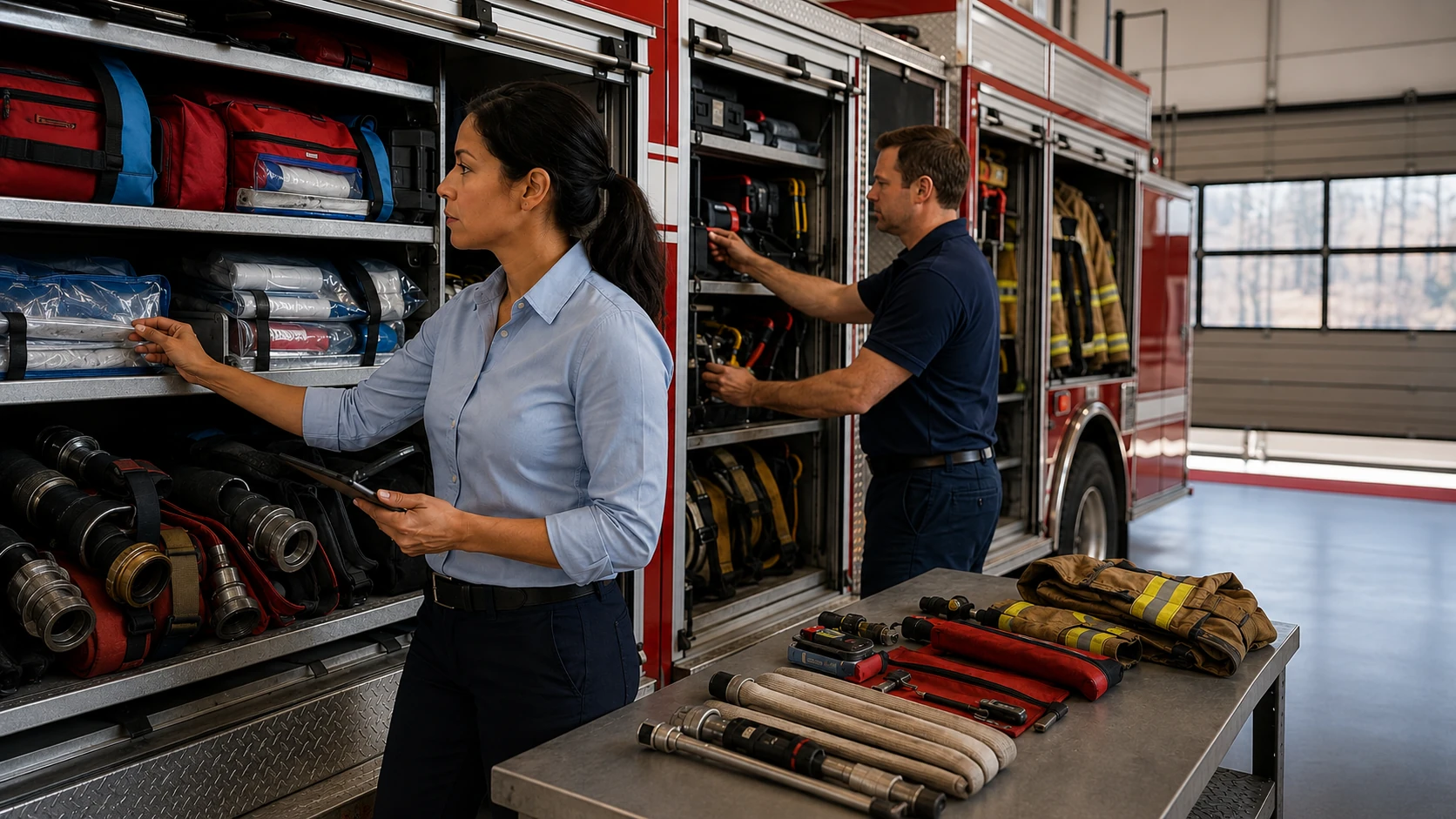
Consumable restoration should receive direct attention because these items can determine whether an apparatus can perform its next assignment. Fuel supports mobility. Water and foam support suppression. Medical supplies support patient care. Breathing air supports firefighter safety.
SCBA cylinder turnaround deserves a separate verification step because it involves more than general restocking. A cylinder can be physically present but still empty, improperly secured, damaged, overdue for required examination, or assigned to the wrong location. The crew should confirm the cylinder status, refill completion, gauge reading, connection condition, and storage position.
A useful consumable review should confirm:
- The correct fuel level
- Required water level
- Foam or suppression agent quantity
- Full and serviceable SCBA cylinders
- Available spare cylinders
- Replaced medical supplies
Mechanical Walk Around and Defect Logging
The walk around should cover the systems that affect movement, braking, visibility, communication, pumping, lighting, and equipment access. It should also include damage caused by the incident, roadway conditions, loading activity, or decontamination.
Defects should enter the record immediately rather than pass verbally between crews. Verbal reports can be forgotten during a busy shift, misunderstood by the next crew, or separated from the apparatus when staffing changes. A digital vehicle inspection app gives the crew a consistent place to record findings and attach evidence.
When a defect affects safe operation, the responsible officer should follow the department's escalation procedure. Guidance on safety defects that require manager sign off can help departments define which findings require review before the unit returns to service.
Assigning a Readiness Status After Every Call
A status should communicate the unit's actual condition to dispatch, station personnel, supervisors, and the fleet manager. Departments can adapt the criteria to their apparatus types and operating policies.
| Status | Criteria | Required Action |
|---|---|---|
| Ready | Required fluids, breathing air, supplies, tools, equipment, and safety systems are restored and serviceable. No unresolved defect affects response capability. | Mark available for dispatch and retain the completed check record. |
| Restricted | The unit can perform only defined assignments because of a limited supply, equipment issue, or non critical defect. | Notify dispatch and the responsible officer, document the limitation, and schedule corrective action. |
| Out of Service | An unsafe condition exists, a required system is unavailable, or the apparatus cannot perform its assigned response safely. | Remove the unit from service until repaired and approved for return. NFPA 1500 Section 6.4.4.1 requires an unsafe vehicle to remain out of service until repaired. |
Clear fleet status codes make these decisions easier to understand across stations and shifts.
Common Gaps That Undermine Post Call Checks
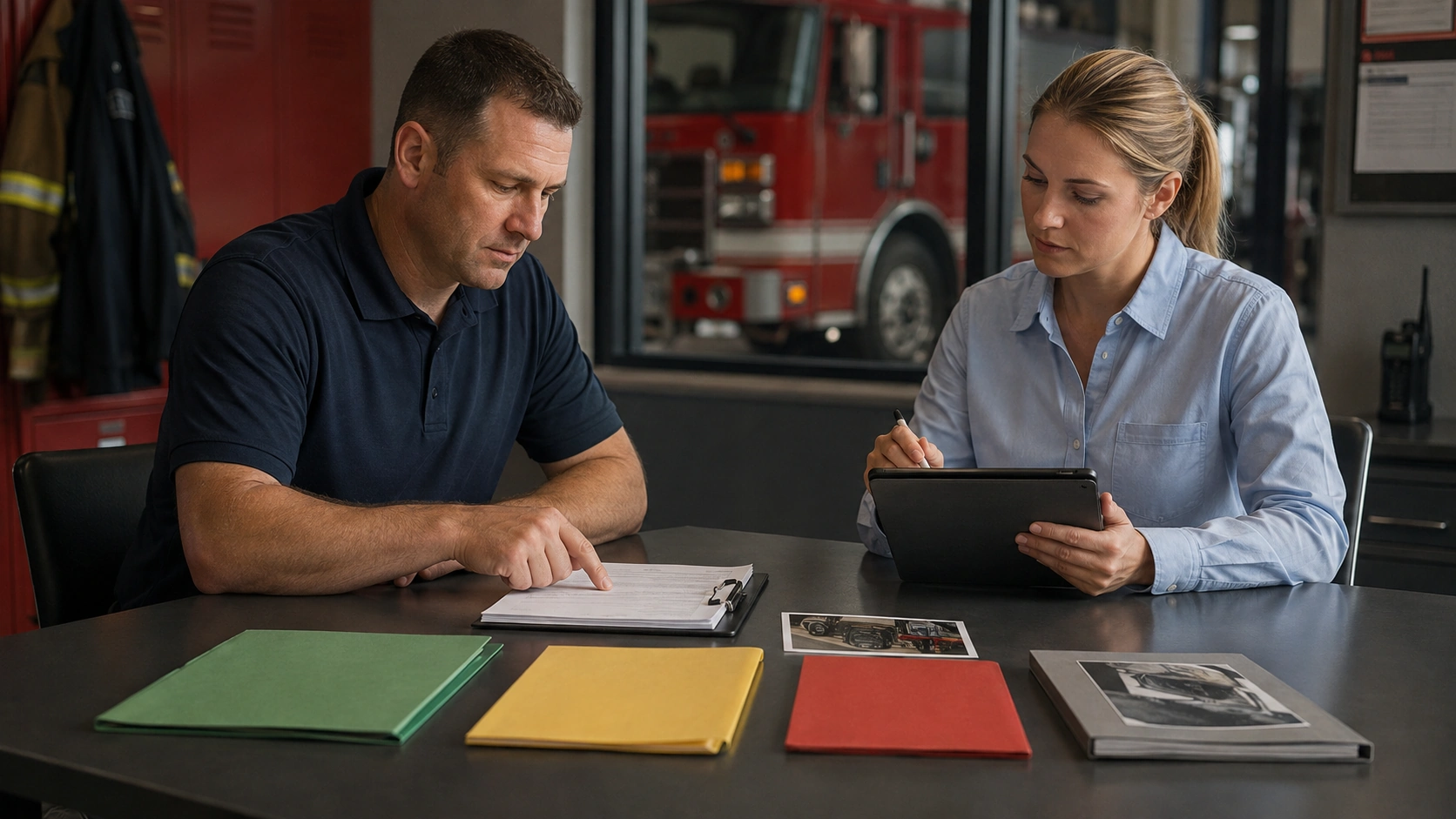
The same failure points appear when departments treat post call restoration as informal cleanup instead of a readiness control. Watch for these recurring gaps:
- Decontamination or restocking gets skipped when another call comes in.
- Reserve apparatus do not follow the same readiness standard as front line units.
- A defect gets mentioned verbally but never reaches the fleet manager.
- Refills are assumed complete without checking levels or cylinder gauges.
- The apparatus is marked available before the documentation is finished.
These gaps often reflect broader coordination problems. Departments reviewing how fleet updates get lost between teams can identify where information stops moving between crews, officers, dispatch, and maintenance staff.
Standardizing the Post Call Process Across Shifts and Stations
A department should use the same checklist, status definitions, and documentation expectations at every station. The apparatus may change, but the decision logic should remain familiar.
Standardization works best when the department defines:
- Which items require restoration after every call
- Which defects require immediate removal from service
- Who can assign or override a readiness status
- What evidence the crew must attach to the record
- Who reviews open repair needs
A shared digital record also helps the next crew understand what happened before it took over the apparatus. The record should show the inspection time, assigned crew, supplies restored, defects found, status selected, and repair action.
Over time, these records become part of the unit's permanent vehicle service history. They can show repeated failures, recurring equipment shortages, delayed repairs, and patterns that deserve management attention.
The same principle appears in other public safety operations. Departments can compare this process with what police fleet managers should review after each shift and what ambulance fleet managers should track daily. Each vehicle type has different requirements, but every operation benefits from a documented post use review.
Fire Fleet Readiness Starts With the Post Call Check
Readiness is rebuilt after every call. It is not verified once a day and assumed to remain true.
The reliable process is simple in principle. Restore what the call consumed, inspect what the call may have affected, record every defect, assign a clear status, and route repair needs to the right person. Departments also need to address the wider structural issues covered in what makes fire department fleet readiness harder, including procurement limits, budgets, and technician shortages.
A consistent post call check gives every crew the same responsibility and gives fleet managers the evidence needed to keep apparatus ready for the next dispatch.
Frequently Asked Questions
-
What is a post call readiness check?
A post call readiness check is the process of restoring supplies, checking equipment and safety systems, recording defects, and assigning a readiness status after an apparatus returns from an emergency call. -
How is a post call check different from a pre trip or post trip inspection?
A post call check focuses on restoring and examining an apparatus after a specific emergency response. A pre trip or post trip inspection usually covers travel related vehicle condition before or after a trip. -
How quickly must fire apparatus equipment be inspected after use?
NFPA 1500 Section 6.5.6 requires equipment inspection within 24 hours after use or at least weekly. Fire departments should complete the check immediately after the call when the apparatus may return to service quickly. -
What happens if a defect is found during a post call check?
The crew should document the defect, notify the responsible officer, assign the appropriate readiness status, and route the repair. If the condition makes the apparatus unsafe, the unit must be placed Out of Service until repaired. -
Who is responsible for marking an apparatus ready after a call?
The department should define this in its operating procedure. Typically, the assigned officer or another authorized person confirms the completed check and marks the apparatus ready after reviewing the findings.