 Miya Bholat
Jul 24, 2026
What Makes Fire Department Fleet Readiness Harder?
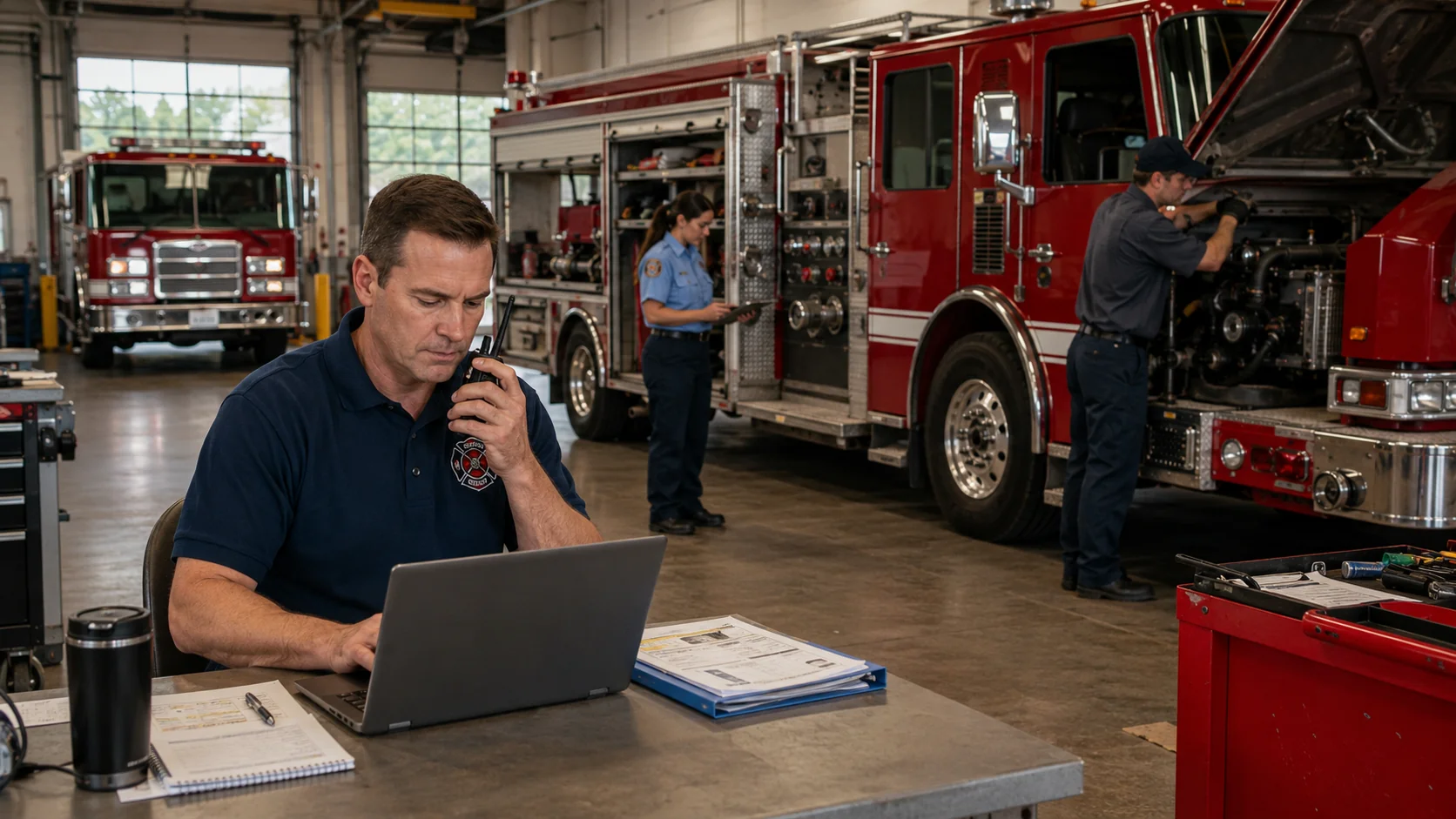
Fire department fleet readiness becomes harder when aging apparatus, long replacement timelines, inspection complexity, limited budgets, technician availability, and shift communication gaps prevent departments from knowing whether every vehicle can respond safely. A centralized fleet management software system helps solve this problem by connecting inspections, service histories, maintenance schedules, repair issues, costs, and readiness status in one accessible record.
For a fire department, readiness means more than having an apparatus parked at the station. The engine, ladder truck, rescue unit, ambulance, or reserve vehicle must be mechanically safe, properly equipped, documented, and available when a call arrives.
Key Takeaways
- Fire apparatus must remain immediately available. A delayed delivery route may create inconvenience, but unavailable emergency apparatus can directly affect response capacity.
- Long replacement timelines keep older apparatus in service. Departments may need to maintain aging vehicles for several years while waiting for replacement units.
- Inspection requirements create significant documentation work. Checks, tests, defects, repairs, and approvals must remain consistent across every station and shift.
- Deferred maintenance can increase both costs and downtime. A predictable service expense may become an emergency repair, towing event, and extended loss of availability.
- Communication gaps can hide unresolved defects. Verbal updates and paper notes often fail when information must move between crews, stations, supervisors, and technicians.
- Readiness improves when departments have one reliable record. Fleet leaders need immediate visibility into what is ready, restricted, overdue, being repaired, or awaiting verification.
Why Fleet Readiness Means Something Different for Fire Departments
A commercial fleet can often move work to another vehicle or delay a noncritical route. Fire departments have much less flexibility. Every unit may be needed without warning, including reserve apparatus that has remained inactive for weeks.
Readiness therefore depends on several conditions being true at the same time:
- The apparatus can start, steer, stop, pump, elevate, and communicate safely.
- Required tools, hoses, medical supplies, and protective equipment are present.
- Known defects have been reported, assigned, and corrected.
- Inspection and maintenance records are complete.
- The unit is available to the appropriate station and response area.
Departments managing these responsibilities across multiple locations can use a dedicated fire department fleet management system to connect apparatus status with inspection, service, and repair information.
Apparatus Procurement Delays and the Aging Fleet Problem
Multi Year Wait Times for New Fire Apparatus
Custom fire apparatus require specialized engineering, production, testing, and equipment integration. When manufacturing capacity, parts availability, or labor supply becomes constrained, departments may wait several years between approving a purchase and placing the vehicle in service.
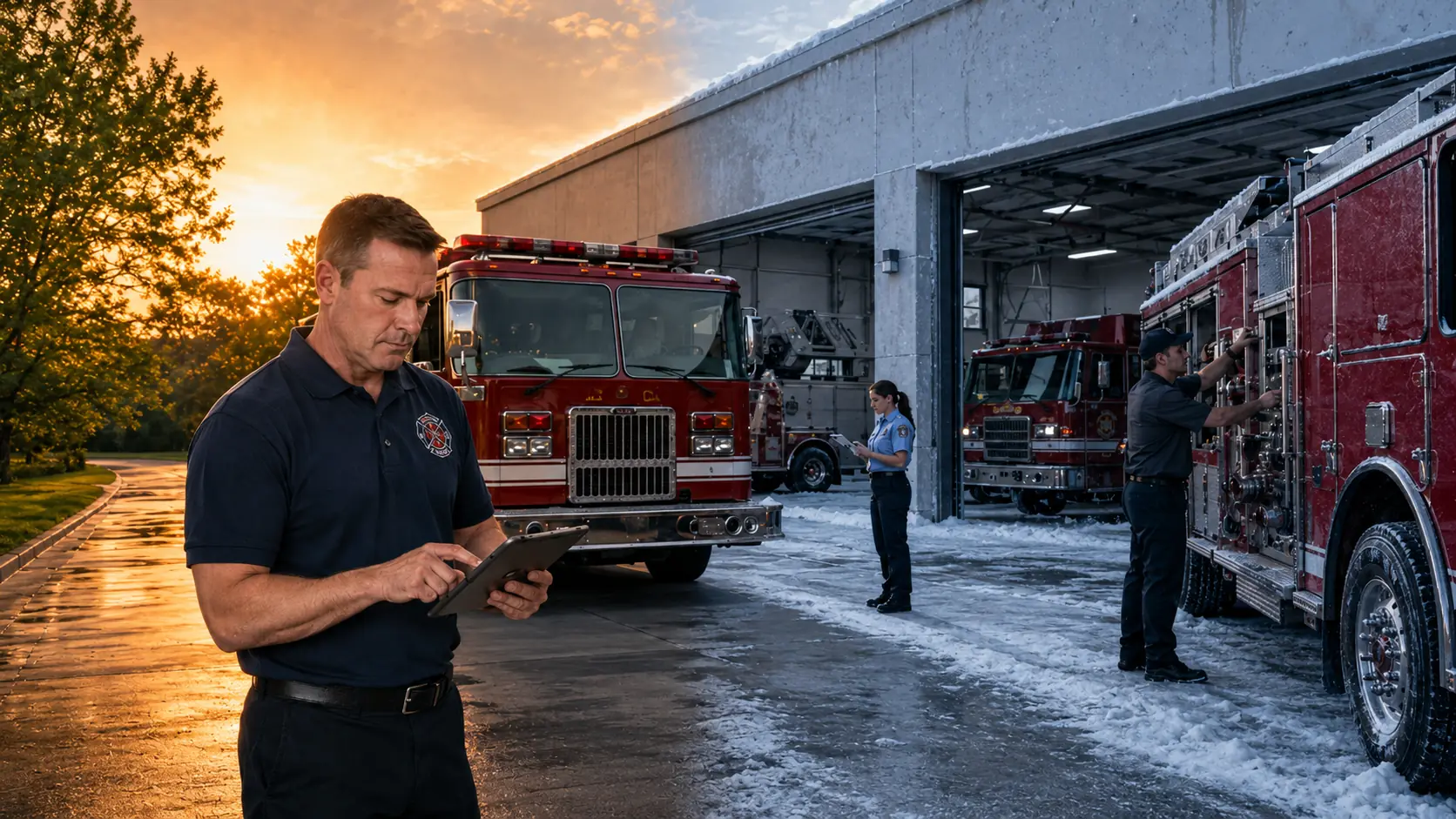
This delay changes replacement planning. A department that begins procurement only after an apparatus becomes unreliable may need to maintain that same unit through several additional budget cycles before the replacement arrives.
The U.S. Fire Administration provides fire service grants and funding resources for departments seeking support for apparatus, equipment, training, staffing, and other public safety needs. Federal funding can help, but application periods, eligibility rules, municipal approvals, and local matching requirements may not align with the exact year a unit needs replacement.
Long procurement periods create several operational consequences:
| Procurement condition | Readiness consequence |
|---|---|
| Replacement takes several years | Existing apparatus remain active longer |
| Prices rise during planning | Approved funding may become insufficient |
| Older units need more repairs | Maintenance spending increases |
| Multiple replacements overlap | Capital planning becomes harder |
| Reserve apparatus see more use | Backup reliability becomes more important |
The result is a widening gap between the year a department identifies a replacement need and the year the new apparatus actually becomes available.
Running Apparatus Past Its Recommended Service Life
Apparatus age matters, but it should not be the only replacement factor. Engine hours, pump hours, call volume, corrosion, accident history, maintenance quality, road conditions, and parts availability all influence whether a unit remains dependable.
Many departments use 15 years of frontline service and approximately 25 total years as planning reference points. These figures should support condition based decisions rather than automatic retirement. A well maintained apparatus may remain suitable for reserve use, while a heavily used vehicle may become expensive and unreliable earlier.
Complete vehicle service history records help fleet leaders compare repair frequency, component failures, maintenance cost, and downtime before deciding whether to retain, refurbish, reassign, or replace a unit.
The aging apparatus risk often follows this workflow:
Without consistent records, departments may continue repairing an apparatus without recognizing how much cost and readiness risk it creates.
NFPA 1911 Compliance and Inspection Complexity
Daily, Weekly, and Annual Inspection Requirements
NFPA 1911 historically covered the inspection, maintenance, testing, and retirement of in service emergency vehicles. That subject matter is now included in NFPA 1910 for in service emergency vehicles, which addresses inspection, maintenance, refurbishment, testing, and retirement requirements.
Inspection frequency depends on the apparatus type, department policy, manufacturer guidance, operating conditions, and applicable standards. A practical inspection structure often includes the following levels:
| Inspection level | Typical focus | Readiness purpose |
|---|---|---|
| Daily or shift check | Fluids, tires, brakes, warning devices, equipment and visible damage | Confirm immediate response capability |
| Weekly operational check | Pumps, generators, aerial systems, batteries and controls | Detect developing problems |
| Periodic maintenance inspection | Chassis, driveline, electrical and safety systems | Prevent unexpected failure |
| Annual performance testing | Pump, aerial and major operating systems | Verify documented performance |
| Repair verification | Previously failed or restricted items | Confirm return to service |
Paper forms may prove that a crew completed a check, but they do not always show whether a failed item reached the fleet manager, became a repair order, and received final verification.
A digital vehicle inspection process creates timestamped records and makes it easier to move failed items into documented follow up.
The U.S. Fire Administration also recommends performing routine preventive maintenance and confirming that critical vehicle systems are operational when preparing emergency apparatus for demanding response conditions.
Qualified Technician Shortages Under NFPA 1071
Fire apparatus maintenance requires expertise beyond ordinary vehicle repair. Technicians may work on pumps, aerial devices, hydraulic systems, high capacity electrical systems, emergency lighting, specialized braking components, and vehicle mounted equipment.
The Emergency Vehicle Technician Certification Commission operates a certification program that recognizes technician education, training, and experience in emergency vehicle service and repair. The organization states that its purpose is to improve repair quality throughout the United States and Canada.
Its fire apparatus certification track covers pumpers, squads, aerial devices, tankers, and wildland apparatus. The program includes multiple certification levels and examinations focused on inspection, maintenance, specialized systems, and repair practices.
The EVTCC F1 examination specifically covers fire apparatus maintenance, inspection, and testing under NFPA 1910.
When qualified technicians are limited, departments may compete for the same regional service providers. Better issue documentation can reduce avoidable delays. Crews should record symptoms, meter readings, fault codes, photos, and operating conditions before creating a fleet maintenance work order.
Budget Constraints and the True Cost of Deferred Maintenance
Municipal budgets must support personnel, stations, communications, protective equipment, training, facilities, and apparatus. Maintenance funding may compete with more visible priorities, even though postponed service can eventually remove a critical unit from operation.
Consider this simplified maintenance scenario:
| Cost stage | Estimated cost |
|---|---|
| Scheduled preventive service | $2,000 |
| Component damage after delay | $8,000 |
| Emergency towing and labor | $3,500 |
| Related parts and testing | $4,000 |
| Total possible repair exposure | $17,500 |
These figures illustrate a possible scenario rather than a universal industry average. Actual costs depend on the apparatus, failed component, labor rates, parts availability, and repair duration.
The cost increase is only part of the damage. The department may also need overtime, mutual aid, reserve activation, rental equipment, or response reassignment while the apparatus remains unavailable.
A structured fleet preventive maintenance schedule can track service by calendar date, mileage, engine hours, pump hours, or manufacturer requirements.
FEMA Assistance to Firefighters Grants can support eligible departments seeking equipment, protective gear, emergency vehicles, training, and other resources. The U.S. Fire Administration reported that fiscal year 2021 awards included funding for emergency vehicles and other critical fire service needs.
Departments still need clear internal evidence to support funding requests. Useful measures include:
- Repair cost by apparatus
- Downtime hours or days
- Repeat component failures
- Preventive maintenance completion
- Reserve apparatus usage
- Estimated replacement timing
Poor information sharing often creates government fleet budget problems because decision makers receive incomplete or inconsistent cost data.
Multi Station Coordination and Shift Based Communication Gaps
When the Left Hand Does Not Know What the Right Hand Fixed
A crew at Station 2 may notice brake vibration on Engine 3 during a night shift. The vehicle still operates, so the crew mentions the problem verbally and leaves a note near the logbook. The incoming crew assumes maintenance already knows, while the fleet manager never receives the report.
This is how a small observation becomes a readiness risk.
A reliable issue workflow should look like this:
Centralized records reduce the risk of fleet updates getting lost between teams and ensure every shift sees the same current information.
Reserve Apparatus Readiness Gaps
Reserve apparatus often receive less attention because they are not assigned to routine calls. Yet a reserve engine or ladder may need to enter service immediately when a frontline unit fails.
Common reserve readiness problems include weak batteries, low fluids, tire damage, expired documents, missing equipment, pump issues, or unresolved inspection failures.
Reserve units should remain part of the same inspection and maintenance program as frontline apparatus. Their condition should appear in fleet reports and readiness dashboards, rather than a separate spreadsheet that crews review only during an emergency.
How Fire Departments Can Improve Fleet Readiness
Build a Digital Maintenance Tracking Foundation
Begin with one complete record for every apparatus. That record should include specifications, assigned station, service history, inspection results, maintenance schedules, open defects, work orders, costs, documents, and current readiness status.
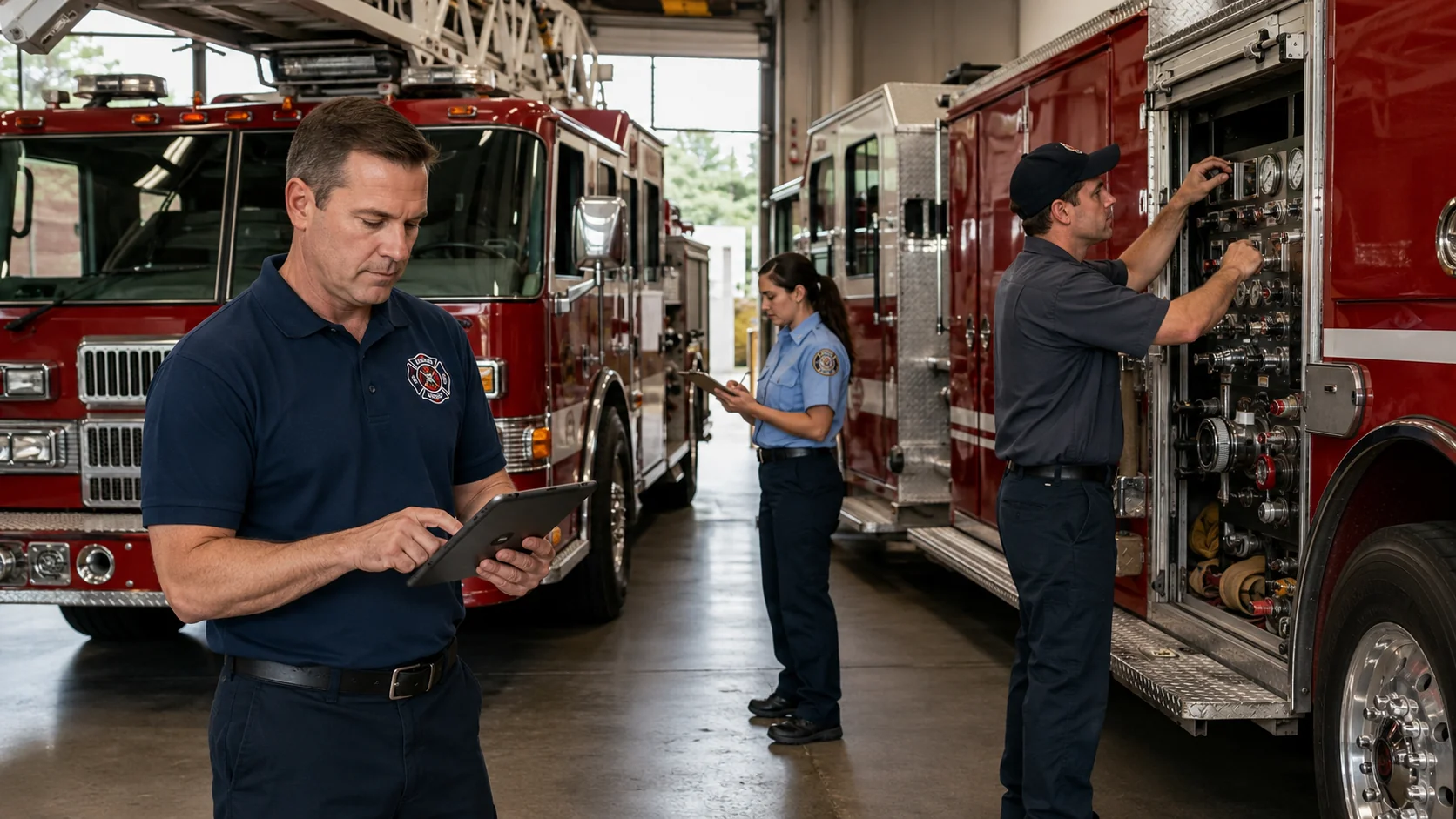
AUTOsist can support this process by connecting mobile inspections, maintenance reminders, repair records, costs, and issue reporting in one system. The goal is not simply to replace paper. The goal is to make every unresolved readiness risk visible.
Use Data to Drive Budget Conversations
Budget requests become stronger when fleet leaders can show evidence rather than general concerns.
Useful budget data includes:
- Annual repair cost by unit
- Downtime by apparatus
- Repeat repair frequency
- Maintenance cost per operating hour
- Reserve usage caused by failures
- Expected replacement date
The U.S. Fire Administration notes that departments use safety and operational data to advocate for apparatus, staffing, equipment, and other resources.
Departments should build these reports before the budget cycle begins, rather than waiting for a critical failure to make replacement urgent.
Standardize Inspections Across Shifts and Stations
Every crew should inspect the same systems using the same questions and failure criteria. A standardized checklist can require photos, comments, meter readings, and signatures while identifying incomplete or failed checks.
Departments should also centralize registrations, warranties, insurance records, testing documents, apparatus specifications, and compliance files in a vehicle document management system.
This makes records easier to retrieve during repairs, audits, claims, grant applications, and replacement planning.
Fire Department Fleet Readiness Starts with Visibility
Procurement delays, aging apparatus, inspection requirements, technician shortages, budget pressure, and shift communication gaps will not disappear through one policy change. Departments need a repeatable process that shows what is ready, what is restricted, what is overdue, and who is responsible for the next action.
The strongest readiness programs connect inspections with repairs, repairs with costs, and costs with replacement planning. When every station works from the same accurate record, departments can address risk sooner and give crews greater confidence that their assigned apparatus will perform when needed.
Frequently Asked Questions
-
How often should fire apparatus be inspected?
Fire apparatus should receive checks according to department policy, manufacturer guidance, operating conditions, and applicable NFPA requirements. Many departments complete operational checks at the beginning of each shift, supported by weekly checks, periodic maintenance, and annual performance testing. -
Why are fire truck deliveries taking so long?
Fire apparatus are custom vehicles that require specialized engineering, parts, production, equipment installation, and testing. Manufacturing backlogs, labor constraints, component availability, and complex specifications can extend delivery timelines. -
What is NFPA 1911?
NFPA 1911 was the standard addressing inspection, maintenance, testing, and retirement of in service emergency vehicles. Those subjects are now covered under NFPA 1910. -
How can fire departments reduce apparatus downtime?
Departments can reduce downtime by completing preventive maintenance on schedule, standardizing inspections, reporting defects immediately, maintaining service histories, assigning repairs through work orders, and verifying repairs before returning units to service. -
What software do fire departments use for fleet management?
Fire departments use fleet maintenance software that tracks apparatus, inspections, preventive maintenance, work orders, service histories, documents, costs, parts, and readiness status across multiple stations and shifts.