 Miya Bholat
Jun 19, 2026
7 Problems Shared Government Fleets Create
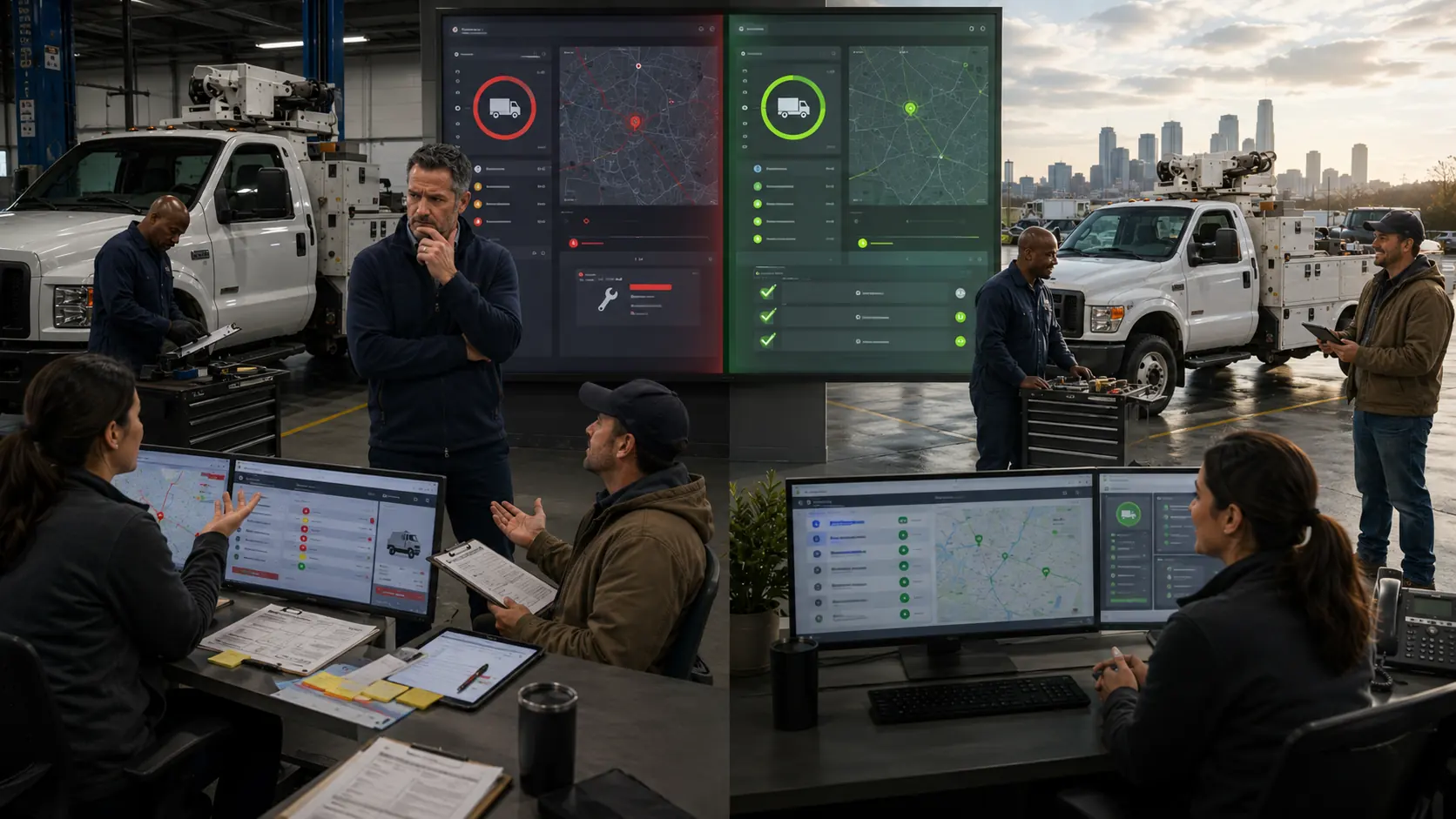
Shared government fleets create seven recurring problems: unclear maintenance ownership, ghost reservations, missed service, poor utilization visibility, weak cost allocation, unmonitored driver behavior, and fragmented compliance records.
A centralized fleet management software system solves these problems by connecting each reservation, driver, inspection, expense, and maintenance action to one vehicle record. For agencies that share vehicles across multiple departments, a structured government fleet management approach preserves the cost savings of a motor pool without sacrificing accountability.
Key Takeaways
- Maintenance responsibility becomes unclear. Shared vehicles often have no single driver or department responsible for reporting problems and completing service.
- Ghost reservations reduce availability. Vehicles appear unavailable even when the department that reserved them never uses them.
- Maintenance schedules become unreliable. Mileage and usage data collected across several departments can cause service intervals to be missed.
- Poor utilization data encourages unnecessary purchases. Agencies may buy additional vehicles while suitable assets sit unused at another location.
- Fuel and operating costs become difficult to assign. Shared cards and pooled expenses prevent managers from identifying the department responsible for each cost.
- Driver behavior and vehicle damage go unreported. Weak check out and inspection processes make it difficult to identify who caused an incident.
- Compliance records become fragmented. Inspection logs, service records, mileage reports, and driver history may be spread across several systems.
Why Shared Government Fleets Become Difficult to Manage
Pooling vehicles sounds efficient on paper. Departments share resources, the agency reduces the number of vehicles it owns, and taxpayer dollars go further. In practice, however, the savings can disappear when departments use different reservation tools, spreadsheets, fuel cards, inspection forms, and maintenance logs.
More than 60 percent of local government fleet managers report using three or more disconnected systems. That fragmentation makes shared fleet problems harder to detect because no single record shows the full history of a vehicle. The consequences affect public service continuity, maintenance budgets, safety, and audit readiness. Agencies exploring modern fleet management software for government fleets should therefore focus on accountability as much as scheduling.
Problem #1: No One Knows Who's Responsible for Maintenance
When a vehicle belongs to one department, responsibility is usually clear. A driver, supervisor, or department coordinator monitors mileage, reports warning lights, reviews inspection results, and confirms that maintenance has been completed.
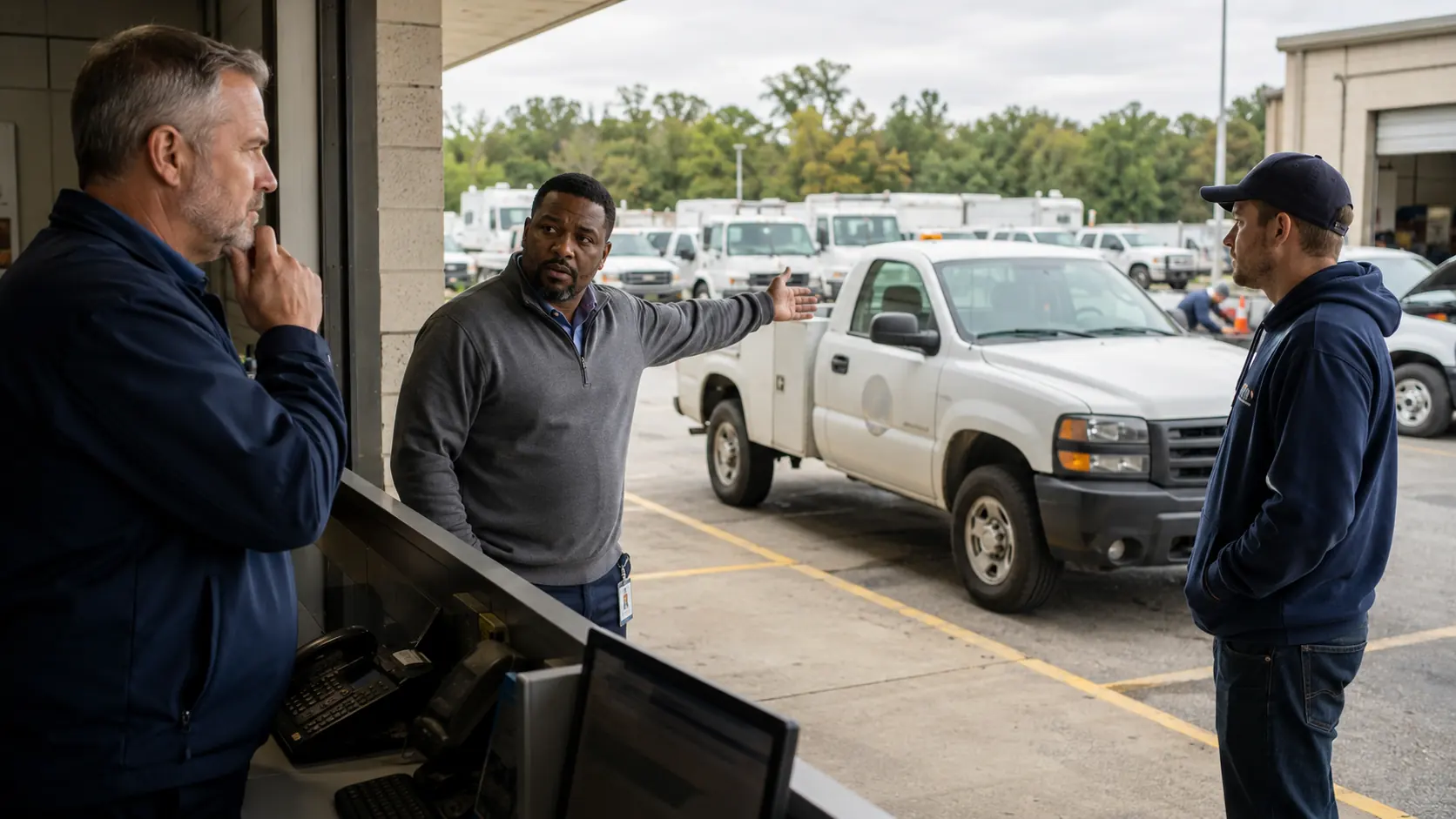
That responsibility becomes blurred when public works, parks, administration, utilities, and code enforcement all use the same vehicle. Each driver may assume someone else reported the tire vibration, brake noise, fluid leak, or dashboard warning. Small problems remain undocumented until they become expensive repairs or roadside failures.
Shared fleets commonly experience:
- Delayed defect reporting
- Missed preventive service
- Incomplete inspection forms
- Unreported warning lights
- Confusion over repair authorization
These gaps are especially common when fleet management becomes too complex to handle manually.
How Diffused Accountability Creates Deferred Repairs
Everyone may use the vehicle, but no one feels responsible for it. A driver notices a problem near the end of a shift and returns the keys without creating a repair request. The next driver assumes the condition has already been reported.
A departmentally assigned vehicle usually has a clear chain of responsibility. A shared vehicle needs that same accountability to be created through driver assignments, inspection records, defect notifications, and repair ownership.
Problem #2: Ghost Reservations Waste Vehicle Availability
A ghost reservation occurs when a department books a vehicle but never checks it out. The vehicle remains blocked in the scheduling system even though it is physically available.
Manual calendars and basic booking tools rarely distinguish between a genuine trip, a canceled request, and a vehicle that was reserved as a precaution. Fleet managers then see low availability and assume the agency lacks enough vehicles.
Ghost reservations can produce several misleading signals:
- High reservation volume
- Low recorded mileage
- Frequent reports of vehicle shortages
- Conflicts between departments
- Requests for additional fleet purchases
The Hidden Cost of "Defensive Booking"
Departments sometimes reserve vehicles before confirming that a trip will happen. They may book several time slots because they fear no vehicle will be available later.
This defensive booking protects one department while preventing another from accessing a vehicle it actually needs. Over time, reservation data overstates demand and may be used to justify buying vehicles that the agency does not truly require.
Managers should compare reservations with actual check out times, mileage, trip duration, and cancellation history before approving fleet expansion.
Problem #3: Maintenance Scheduling Falls Through the Cracks
Shared vehicles may accumulate mileage faster than department supervisors realize. One department may record mileage on paper, another may update a spreadsheet, and another may not report it until the end of the month.
Without a centralized odometer record, a vehicle can travel thousands of miles beyond its required oil change, tire rotation, brake inspection, or safety service. A fleet preventive maintenance schedule can automatically trigger service based on updated mileage, engine hours, or calendar intervals.
A reliable maintenance process should include:
- One current odometer record
- Automatic service reminders
- Assigned repair responsibility
- Open defect tracking
- Completed service documentation
Multi Department Usage Makes Mileage Tracking Unreliable
When four to six departments use the same vehicle, mileage reporting becomes fragmented. A department may record only its own miles without updating the central fleet record.
Maintenance reminders then rely on incomplete information. The system may show that a vehicle has 28,000 miles when its actual mileage is 31,500. The service trigger looks current even though the vehicle is already overdue.
Problem #4: Poor Utilization Visibility Leads to Unnecessary Spending
A shared fleet only saves money when managers can see where vehicles are, who is using them, and how often they move. Without that visibility, one facility may report a shortage while comparable vehicles sit idle at another location.
The problem becomes more difficult for agencies that run fleet operations across multiple locations. Departments often request new vehicles because they cannot see assets controlled by another facility.
A centralized fleet reports dashboard can reveal mileage, trip frequency, reservation activity, downtime, and idle periods.
| Shared fleet signal | What it may indicate | Management response |
|---|---|---|
| High reservations with low mileage | Ghost bookings | Compare reservations with actual trips |
| Repeated shortages at one site | Poor asset distribution | Reassign vehicles between locations |
| Low annual mileage | Underused asset | Review replacement or disposal |
| High downtime | Maintenance process failure | Review open repairs and parts delays |
| Frequent purchase requests | Limited fleet visibility | Verify utilization before acquisition |
Problem #5: Fuel and Cost Accountability Becomes Nearly Impossible
When several departments use the same vehicle, fuel, tolls, parking, repairs, and incidental expenses can become pooled together. Finance teams may know what the vehicle cost, but not which department or driver created the expense.
That makes departmental budgeting less accurate and prevents managers from identifying abnormal fuel purchases, excessive idling, unauthorized transactions, or high operating costs.
A structured fleet fuel management system can connect fuel transactions with the vehicle, driver, department, odometer reading, and purchase location.
Why Shared Fuel Cards Don't Solve the Problem
A shared fuel card records which card completed the purchase. It does not automatically prove which driver used the card, which department should receive the expense, or whether the fuel quantity matched the vehicle.
Proper accountability requires each transaction to include:
- Driver identity
- Vehicle identity
- Department or cost center
- Odometer reading
- Fuel quantity and price
- Purchase date and location
Without these details, pooled fuel spending can hide both waste and misuse.
Problem #6: Driver Behavior Goes Unmonitored and Unreported
In an assigned fleet, speeding events, hard braking, route deviations, damage, and complaints can usually be connected to a specific driver. In a shared fleet, that connection disappears when check out records are incomplete.
A vehicle may return with body damage, a warning light, low fuel, or a dirty interior. By the time the condition is discovered, several employees may have driven it.
Pre and Post Trip Inspections Are Often Skipped
Shared fleets create a baton pass problem. The current driver assumes the previous driver completed the inspection, while the next driver assumes the current driver will report any problem.
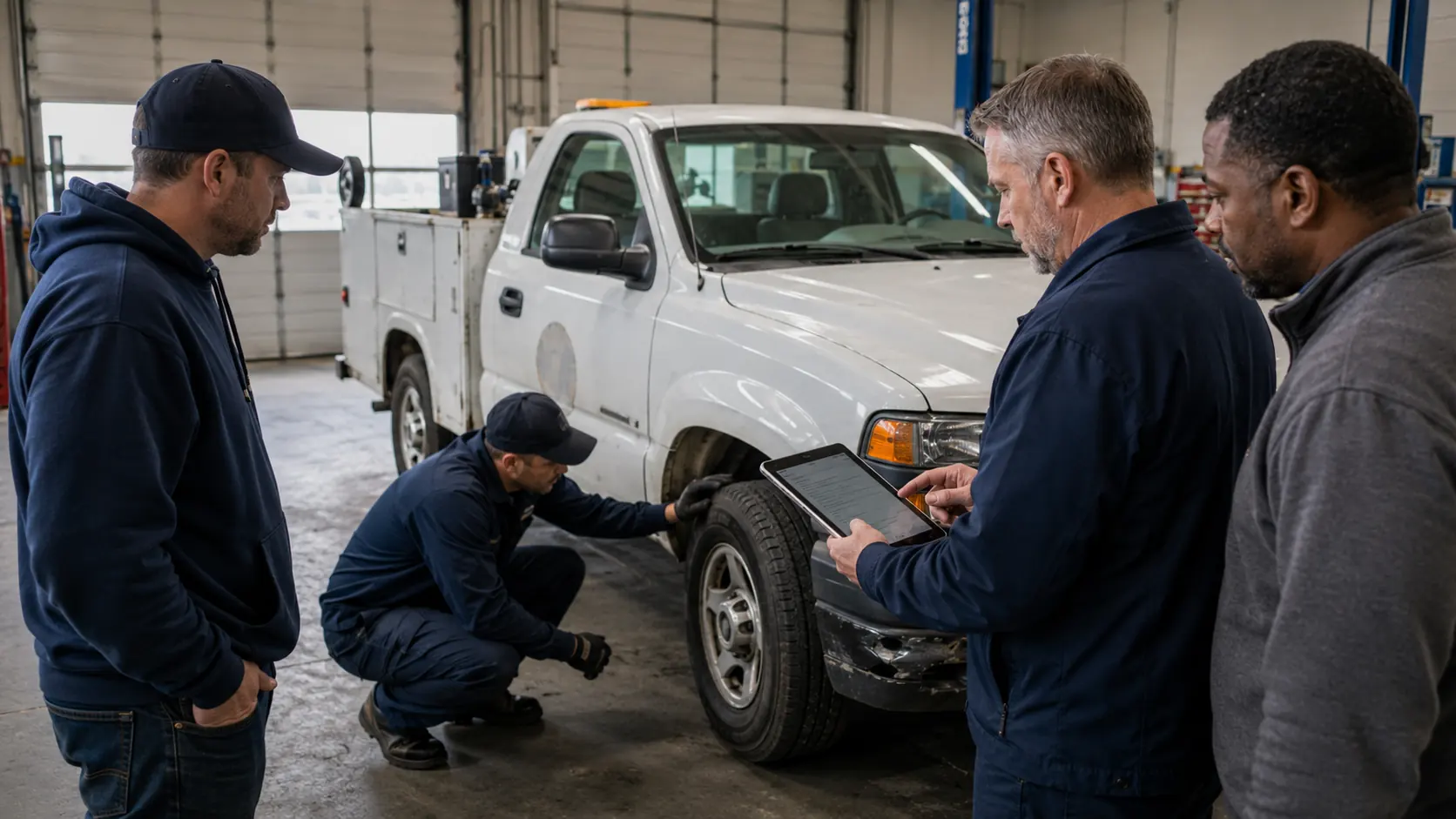
A digital vehicle inspection process closes the gap by recording the driver, date, time, vehicle condition, photographs, and reported defects.
A reliable shared vehicle workflow looks like this:
Problem #7: Compliance Documentation Is Fragmented and Audit Risky
Government fleets must maintain accurate maintenance, safety, inspection, emissions, licensing, and driver records. When departments keep separate spreadsheets, paper forms, and shared folders, records become difficult to verify.
Manual record keeping also increases the chance that documents will be incomplete, outdated, duplicated, or missing. Agencies can reduce this exposure through fleet software for license and inspection tracking.
What an Auditor Looks For and What Shared Fleets Usually Can't Provide
Auditors commonly expect an agency to produce:
- Complete vehicle service records
- Inspection dates and results
- Reported defects and repair actions
- Driver check out history
- Mileage and utilization reports
- Licensing and compliance documents
A shared fleet without centralized software may have each record stored in a different department. Even when the work was completed correctly, the agency can struggle to prove it.
How Fleet Management Software Solves These 7 Problems
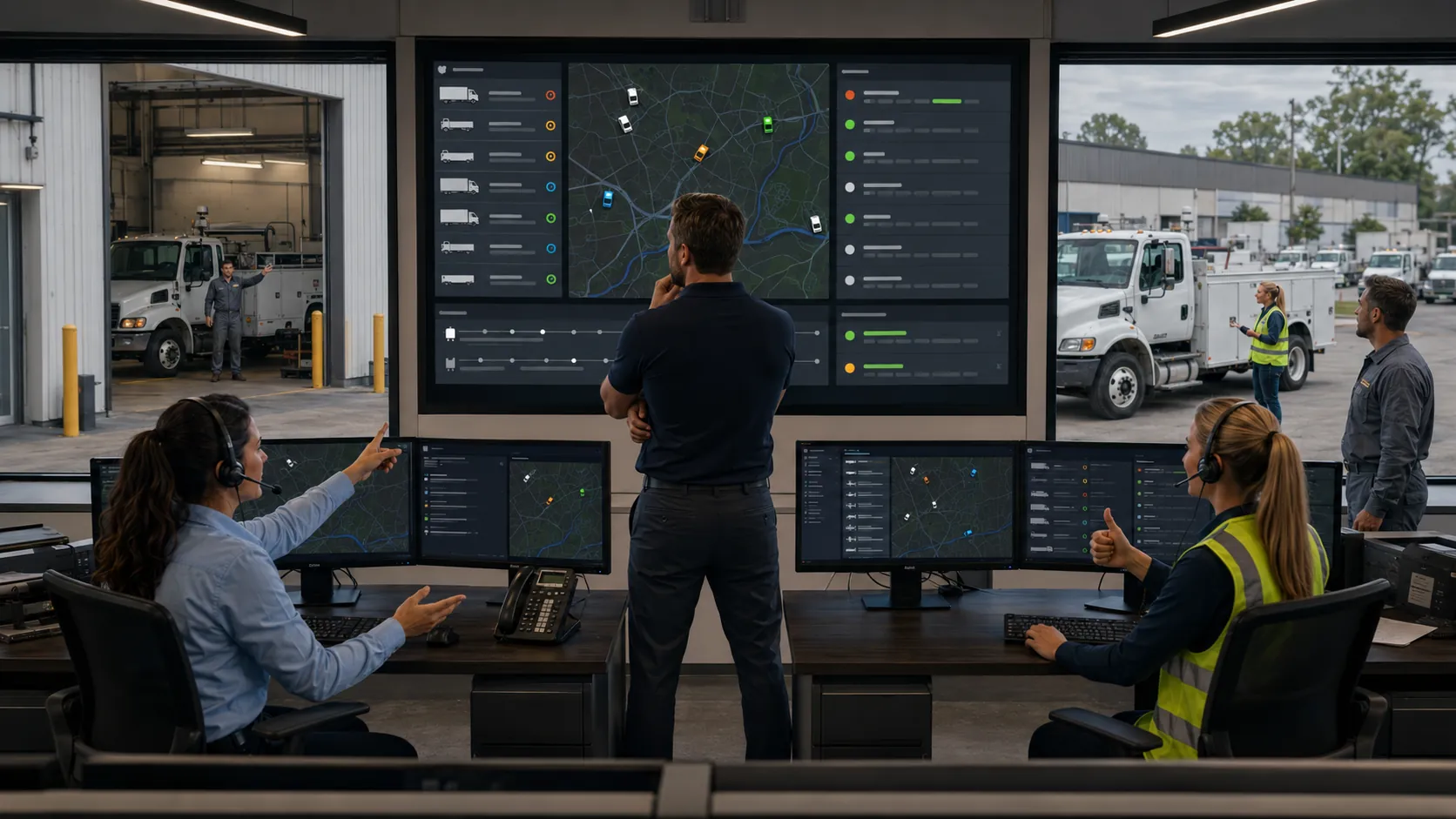
Fleet management software creates one operational record for every shared vehicle. Reservations, mileage, inspections, fuel, maintenance, documents, costs, and driver activity can be viewed without contacting several departments.
The practical controls include:
- Named responsibility for each reservation and trip
- Automatic cancellation or review of unused reservations
- Maintenance reminders based on current mileage
- Utilization reporting across departments and locations
- Department level fuel and cost allocation
- Digital pre trip and post trip inspections
- Centralized compliance and service documentation
AUTOsist supports these controls through maintenance reminders, inspection checklists, driver assignments, service history, fuel tracking, document storage, and fleet reporting. These capabilities address many of the operational gaps covered in problems fleet management software solves.
The goal is not to add another administrative system. It is to replace disconnected processes with one reliable source of fleet information.
Final Thoughts
Shared government fleets are not inherently inefficient. When managed correctly, they can reduce vehicle count, improve access to specialized assets, and lower the total cost of ownership.
The problems begin when vehicles are shared without clear responsibility, reliable usage records, and centralized documentation. Ghost reservations, missed maintenance, weak cost allocation, and incomplete audit records can quietly erase the savings that vehicle sharing was meant to create.
AUTOsist gives government fleet teams a practical way to manage shared vehicles across departments while protecting safety, availability, compliance, and taxpayer resources.
Frequently Asked Questions
-
What is the most common problem with shared government fleet vehicles?
The most common problem is unclear responsibility. When several departments use one vehicle, drivers may assume someone else will report damage, update mileage, or schedule maintenance. -
How do ghost reservations affect a government fleet?
Ghost reservations block vehicles that are not actually being used. They create artificial shortages and can lead managers to believe the agency needs to purchase more vehicles. -
How can fleet managers track maintenance on vehicles used by multiple departments?
Fleet managers should use one centralized vehicle record that collects mileage from every trip and automatically creates maintenance reminders. The system should also assign each defect and repair to a responsible employee. -
What compliance risks do shared government fleets face?
Shared fleets may have inspection logs, service records, driver history, and mileage reports stored in different departments. Missing or inconsistent documentation can increase audit risk and make it difficult to prove compliance. -
Can fleet management software improve shared vehicle accountability?
Yes. Fleet management software connects each reservation, inspection, expense, trip, and maintenance action to a specific vehicle, driver, and department, giving managers a complete accountability trail.