 Miya Bholat
Sep 28, 2026
Assigned vs Pool Vehicles: Which Model Fits Your Fleet?
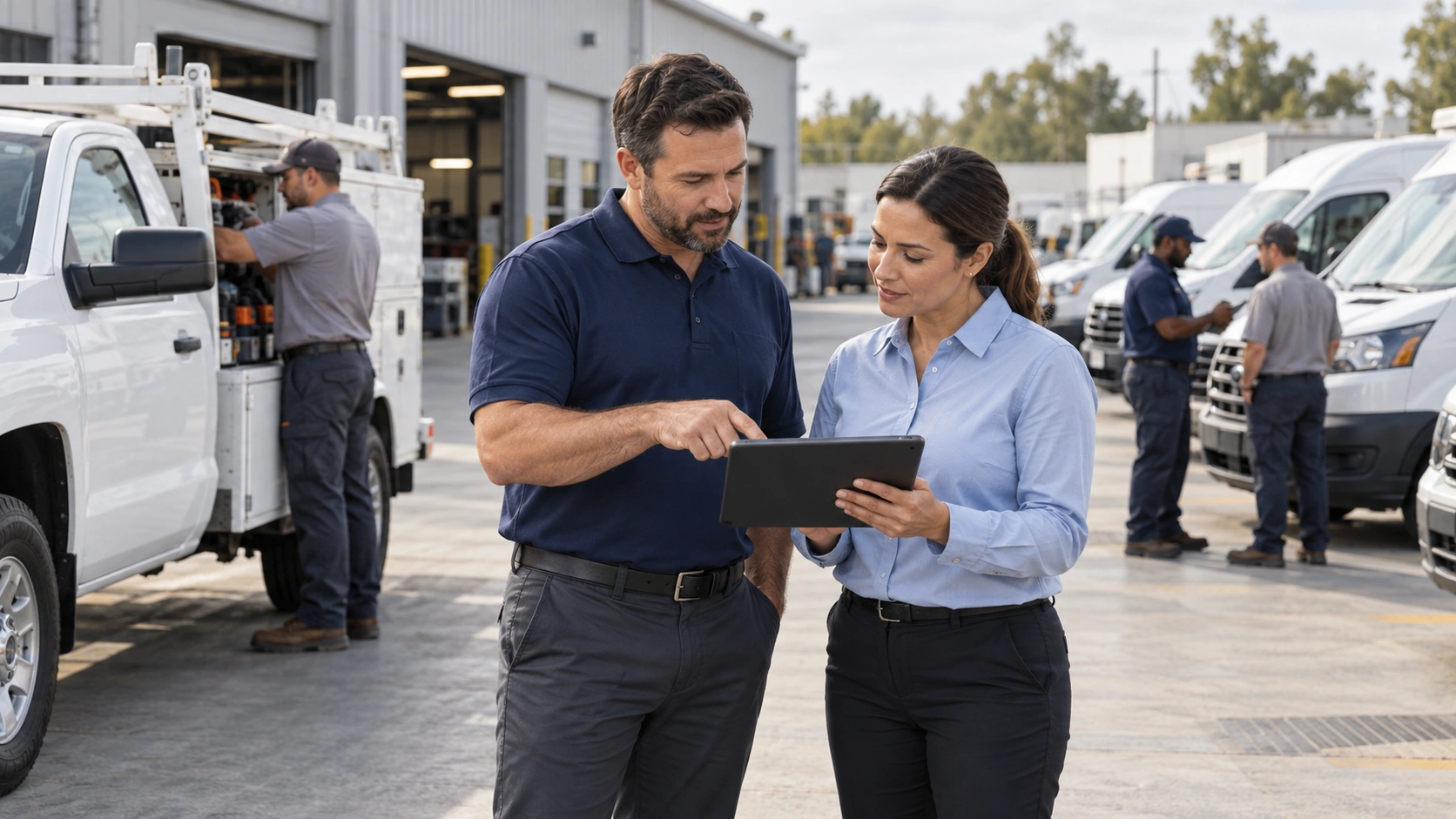
Choosing between assigned and pool vehicles should happen vehicle by vehicle, not across the whole fleet. Assigned vehicles fit roles that need immediate access, specialized equipment, strong driver ownership, or consistent territory coverage, while pool vehicles fit general purpose work that several drivers can share. A fleet management software system helps managers compare actual use, cost, maintenance, and accountability before deciding which model fits each asset.
Key Takeaways
- Choose by operating need. Assign, pool, or remove a vehicle based on how its role actually uses it.
- Pooling can reduce excess capacity. Shared vehicles can serve several drivers when trip timing and vehicle needs overlap.
- Assigned vehicles still have a clear place. Specialized equipment, response work, take home use, and fixed territories can justify dedicated access.
- Pooling needs stronger discipline. Reservations, inspections, mileage, fuel, and damage reporting must stay consistent.
- Utilization alone is not enough. Response time, cargo, downtime, seasonal demand, and mission criticality also matter.
- Hybrid fleets can work well. Assign mission critical vehicles while pooling flexible general purpose units.
Assigned vs Pool Vehicles: The Core Difference (and Why It Matters Now)
An assigned vehicle is tied to a specific driver, crew, branch, route, or cost center. A pool vehicle is shared through a reservation, checkout, and return process. The real question is which model delivers the required service with the least unnecessary capacity and clearest accountability.
| Factor | Assigned vehicles | Pool vehicles |
|---|---|---|
| Utilization | Varies by role | Concentrated across users |
| Total vehicles needed | Often higher | Can be lower |
| Fixed cost exposure | Higher when units sit unused | Spread across more trips |
| Driver accountability | Usually clear | Requires checkout records |
| Maintenance and PM tracking | Easier owner trail | Needs shared mileage discipline |
| Driver experience | Familiar vehicle | Vehicle may change |
| Best fit scenarios | Specialized or response work | Flexible general purpose trips |
What an Assigned Vehicle Model Looks Like
The same driver or team normally uses the same vehicle. That creates familiarity with condition, tools, fuel habits, and recurring issues while making responsibility easier to trace through clear fleet driver accountability.
What a Pool (Motor Pool) Model Looks Like
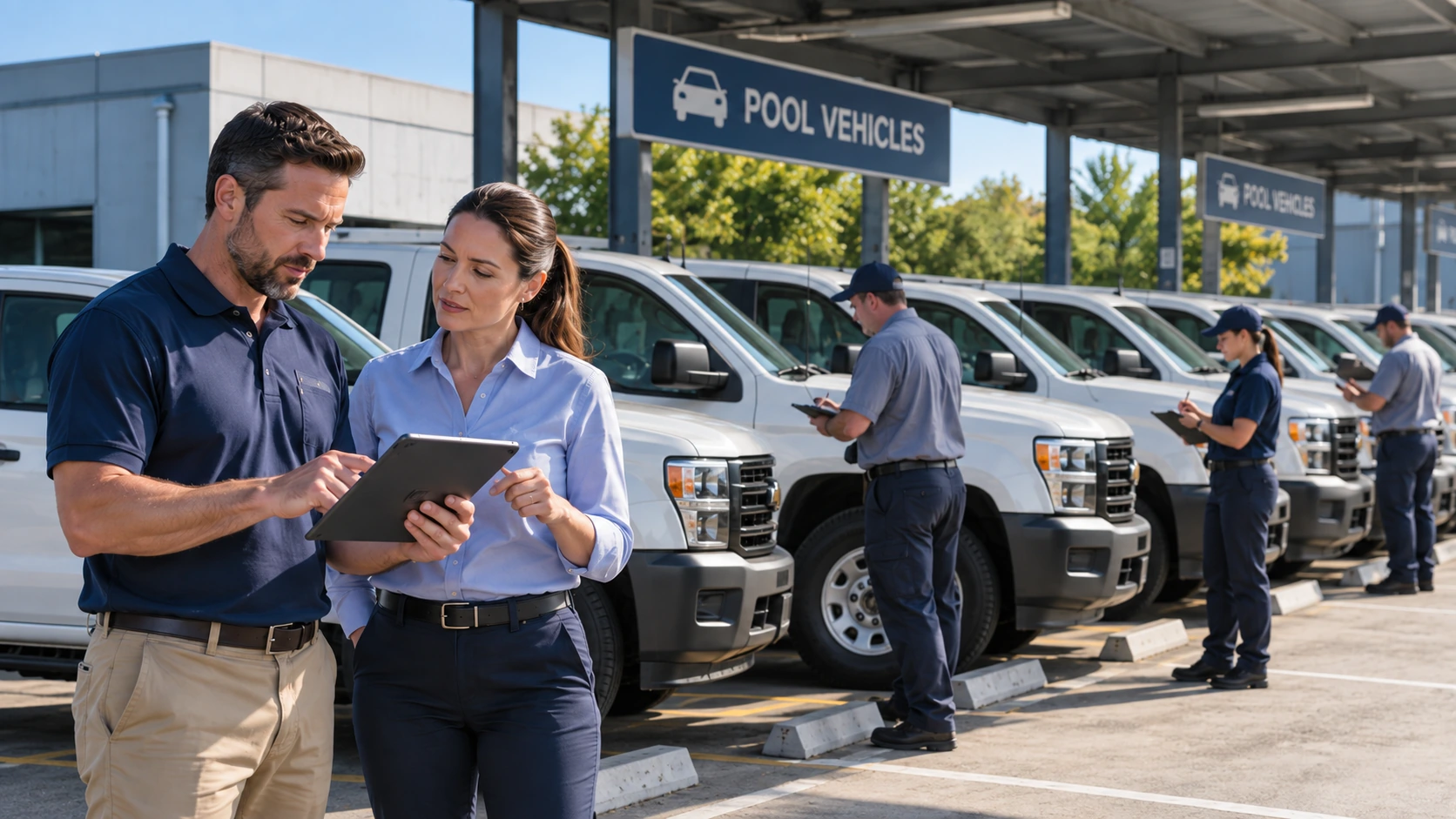
Pool vehicles sit in a shared inventory and are reserved as needed. Drivers check them out, record use, and return them for the next user. Higher utilization is possible, but only when the fleet can reliably control reservations, condition checks, and responsibility.
The Cost and Utilization Case for Pooling Vehicles
Pooling works best when several vehicles perform similar jobs, spend meaningful time parked, and do not need to stay with one person or crew. Department of Energy fleet rightsizing guidance recommends reviewing mileage, duty cycle, downtime, vehicle purpose, and alternatives such as motor pools before deciding how many vehicles are needed.
How Underutilization Hides in an Assigned Fleet
A lightly used vehicle still carries ownership or lease cost, insurance, registration, parking, depreciation, and administration. This is why shared government fleet problems often involve more than simple mileage. Access rules and process quality determine whether sharing actually works.
What Pooling Actually Saves
Consider a branch with 10 assigned general purpose vehicles. If four rarely operate at the same time and two shared units can cover that demand, the branch can reduce its count from 10 to 8. The saving comes from removing two units of fixed cost, not simply from putting more miles on each remaining vehicle.
When Assigned Vehicles Are the Right Call
Low mileage does not automatically mean a vehicle belongs in a pool. A truck may travel few miles but still be essential because it carries fixed tools, inventory, communications gear, or safety equipment. Emergency, police, fire, and public works operations may also need dedicated access because response time matters more than mileage. That is especially important in government fleet management where mission specific vehicles may remain critical even at lower use.
Assigned vehicles also fit territory based field service, branded service units, take home arrangements, or roles where a driver starts from home or a remote site. Pooling these vehicles can add travel, handoff time, and scheduling friction.
The strongest case for assignment is not driver preference. It is an operational requirement that becomes slower, less reliable, or more expensive when shared.
The Hidden Tradeoffs Pool Fleets Have to Manage
Pooling shifts responsibility from one regular driver to a process. Without clear records, damage, low fuel, missed mileage, unused reservations, and delayed maintenance can become difficult to trace.
A clean checkout process should make every trip traceable:
- Reserve the vehicle for a defined time and purpose.
- Assign the driver and department.
- Complete a pre trip inspection.
- Check out the vehicle and capture the odometer.
- Record the trip and mileage.
- Complete a post trip inspection.
- Report fuel use and damage.
- Return the vehicle to available status.
- Assign any maintenance issue before the next reservation.
A digital vehicle inspection process standardizes the condition check each time a shared vehicle changes hands, which matters when no single driver sees the asset every day.
How to Decide: A Vehicle by Vehicle Framework
Evaluate each asset against the same operating questions. GSA vehicle allocation methodology guidance considers miles, hours, trip frequency, passengers or cargo, downtime, response time, seasonal need, and mission criticality. These factors provide a useful structure beyond federal fleets.
Set a Utilization Threshold for Each Role
Do not force one percentage across every vehicle type. Build a baseline from miles, engine hours, trips, and days used, then compare vehicles that perform similar work. A fleet reports dashboard can make those role based comparisons easier to review consistently.
Run a Simple Break Even Check
Compare the annual cost of keeping a vehicle assigned with the realistic cost of serving the same work another way. Include ownership or lease expense, insurance, maintenance, parking, administration, and any operational cost caused by lower availability.
For reimbursement comparisons, use the current IRS standard mileage rate only where relevant. From July 1 through December 31, 2026, the business rate is 76 cents per mile. It is a tax and reimbursement benchmark, not a universal replacement cost for a fleet vehicle.
Score Each Vehicle: Assign, Pool, or Retire
Use three outcomes:
- Assign when specialized equipment, response time, territory, take home use, or responsibility requires dedicated access.
- Pool when several users need similar vehicles at different times without disrupting work.
- Retire or redeploy when demand is low and remaining capacity can absorb the work.
Review borderline assets separately. Better fleet visibility helps distinguish genuinely excess capacity from vehicles that are quiet but operationally essential.
Running a Hybrid Fleet (Assign Some, Pool the Rest)
Many fleets do not need one model. Assign vehicles that are specialized, response critical, territory dependent, or tied to a crew, then pool general purpose units with predictable reservation demand.
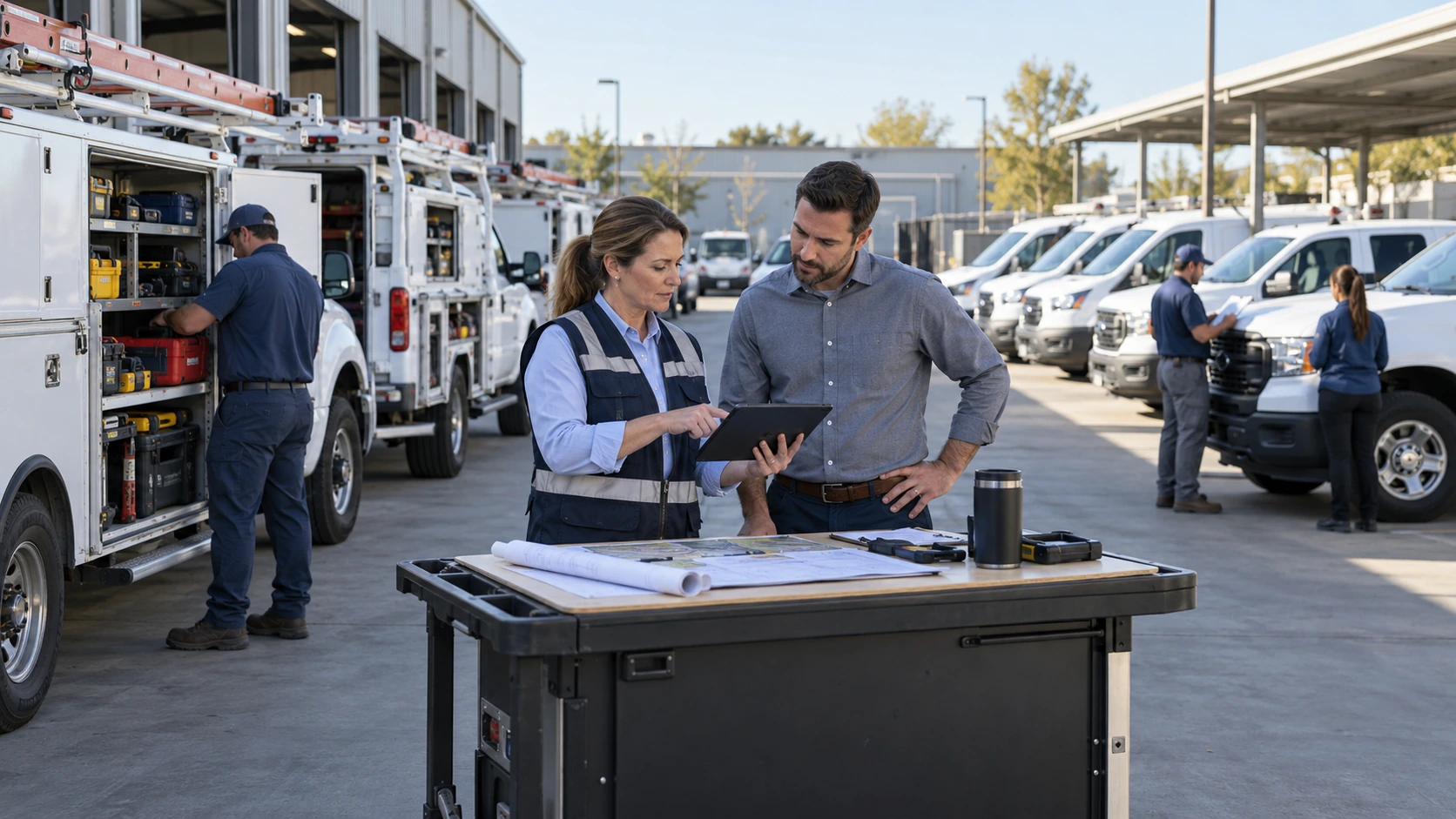
Define which roles qualify for dedicated access. Everything else enters a shared capacity review. Clear driver and user management records still matter because managers need to know who had each vehicle even when assignments change daily.
Use an exception review too. A pool vehicle repeatedly serving the same person may behave like an assigned asset. An assigned vehicle that stays unused and carries no special requirement deserves another review.
Managing Either Model in One System
AUTOsist can keep assigned and pool vehicles in one operating record while preserving different access rules. The key is consistent data on who used the vehicle, when it moved, what mileage accumulated, what condition it returned in, and what maintenance is due.
For shared vehicles, trip and mileage tracking creates the usage history needed to understand demand and connect trips to drivers. For assigned vehicles, the same record confirms whether the asset supports its intended role.
Maintenance should follow the asset, not the driver. That principle keeps service responsibility clear even when vehicle users change every day.
Usage data should feed preventive maintenance schedules so service stays tied to mileage, time, or operating hours across both operating models.
Frequently Asked Questions
-
How do you decide whether a vehicle should be assigned or pooled?
Assign it when the role needs dedicated access, specialized equipment, or fast response. Pool it when several users can share the same vehicle type without disrupting work. -
Does low mileage mean an assigned vehicle should move to a pool?
No. Check trip frequency, hours used, response requirements, equipment needs, and peak demand before changing the assignment. -
How many vehicles should a motor pool have?
Size the pool around peak simultaneous demand rather than average utilization. Keep enough capacity to cover normal reservations without maintaining unnecessary spare vehicles. -
Who is responsible for damage or maintenance on a pool vehicle?
The checkout record should identify the driver responsible for reporting damage and defects. Fleet management should control maintenance and make sure reported issues are resolved before the vehicle returns to service. -
What happens if a pool vehicle is unavailable when someone needs it?
Use reservation controls, availability records, and a defined backup process. Repeated shortages can indicate that the pool is too small or that certain high demand roles need assigned vehicles.